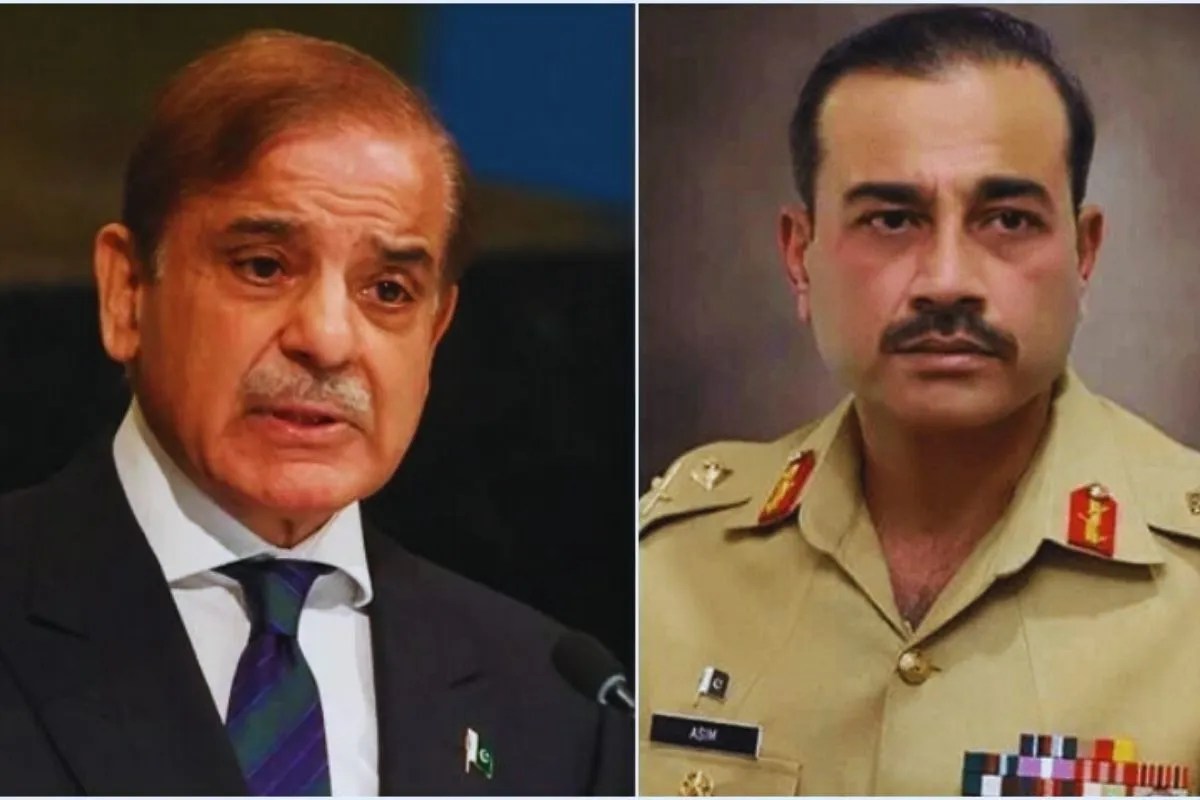
Money doesn't just talk in the Middle East; it dictates the terms of survival. Pakistan is finding this out the hard way as the United Arab Emirates (UAE) has essentially called in a massive debt at the worst possible moment. We aren't talking about a polite reminder. Abu Dhabi wants its $3.5 billion back by the end of April 2026, and they want it now.
This isn't just a financial transaction. It's a geopolitical earthquake. For years, Pakistan has survived on the "rollover" culture—begging allies to extend loan deadlines so it doesn't have to actually pay. But the UAE just slammed the door on that practice.
The end of the free ride
Usually, when these billion-dollar deposits mature, a few phone calls from Islamabad to Abu Dhabi result in a grace period. Not this time. The UAE had already signaled its impatience by shortening extension periods to just one month at a time. Now, they've stopped the clock entirely.
One of the loans being called back actually dates to 1996. Think about that. Pakistan has been sitting on $450 million of Emirati money for thirty years. The fact that the UAE is digging up three-decade-old debts tells you the "brotherly ties" narrative is wearing thin.
The immediate trigger is the chaos in the Middle East. With the US-Israel conflict with Iran escalating, the Gulf states are tightening their belts and re-evaluating their allegiances. They're no longer interested in funding a state that can't get its own house in order.
A brutal blow to the state bank
Pakistan’s officials are trying to spin this as a move to "uphold national dignity." That's a nice way of saying they have no choice. Honestly, it’s a desperate attempt to save face.
Let's look at the math. The State Bank of Pakistan (SBP) currently claims to have about $16.3 billion in foreign exchange reserves. On paper, that looks okay. But most of that money is borrowed. If you subtract the $3.5 billion the UAE is snatching back, you're looking at an 18% drop in national reserves in a single month.
That kind of drain is catastrophic. It leaves the country with barely enough cash to cover a few weeks of imports. When reserves drop this fast, the currency usually follows. Expect the Pakistani Rupee to take a massive hit, which means the cost of fuel and food for the average person is about to skyrocket again.
Why the UAE lost its patience
Abu Dhabi isn't just acting on a whim. They've watched Pakistan prioritize short-term political survival over the structural reforms the IMF has been screaming about for years.
- The Iran Factor: Pakistan’s perceived proximity to Iran during the current Middle East war has reportedly rubbed the Emiratis the wrong way.
- Economic Modernization: The UAE is busy building a future based on tech and AI. They want partners, not dependents.
- Rollover Fatigue: You can only ask for a "one-month extension" so many times before the lender realizes you have no plan to ever pay them back.
The 6% interest rate Pakistan was paying on these deposits clearly wasn't enough to compensate the UAE for the risk of holding money in Islamabad.
The IMF trap
Pakistan is currently tied to an IMF program that requires it to secure roughly $12.5 billion in rollovers from China, Saudi Arabia, and the UAE. With $3.5 billion of that now disappearing, there's a massive hole in the budget.
If Pakistan can't fill that gap, the IMF could stall the next tranche of its bailout. It's a domino effect. If the UAE pulls out, will Saudi Arabia be next? China is already hesitant to throw more good money after bad.
The "national dignity" excuse doesn't buy oil or pay for electricity. The reality is that the era of the "blank check" from the Gulf is over.
What happens next
If you're tracking the Pakistani economy, watch the exchange rate over the next two weeks. The SBP will have to scramble to find fresh inflows to offset this $3.5 billion exit.
Investors should be wary of any Pakistani sovereign debt or assets tied to the rupee. The country is entering a high-volatility zone where one wrong move could trigger a default.
The immediate priority for Islamabad is to prevent a total run on the bank. They'll likely go back to the IMF with a fresh plea or try to sell off state assets—like airports or PIA—at fire-sale prices to the very people they're currently paying back. It's a vicious cycle that shows no signs of slowing down.