You can hide a lot of things in plain sight, but a luxury estate in Palm Beach usually demands attention. Especially when it turns out to be funded by a massive federal fraud scheme.
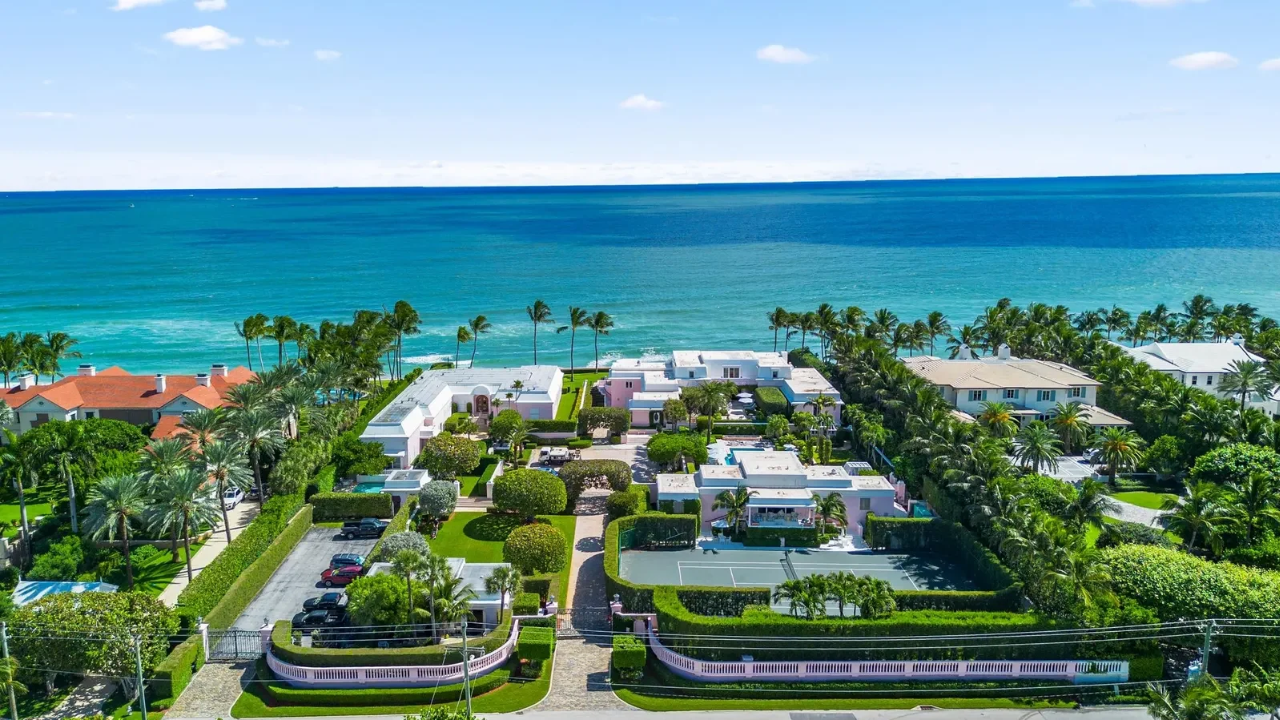
A sprawling property located in the exclusive Phipps Estates neighborhood recently traded hands for $24 million. If that price tag sounds steep, the backstory is even wilder. The estate was originally acquired using money siphoned directly from a massive $194 million fraud scheme tied to a former CIA official. Now, following a government seizure and subsequent liquidation, the luxury asset has found a brand new buyer, netting the feds a tidy profit from its original purchase price. Building on this topic, you can also read: What Most People Get Wrong About a Wisconsin Prison Escape Search.
Let us break down how a high-ranking intelligence insider pulled off one of the wildest white-collar schemes in recent memory, and how the resulting real estate fallout played out in South Florida's cutthroat housing market.
The Fake Programs and the 194 Million Dollar Fraud
White-collar crime usually involves complicated offshore shell companies, obscure crypto wallets, or endless layers of creative accounting. But the operation run by former CIA officer David Rush relied on something much simpler: sheer audacity and fake classified initiatives. Observers at Al Jazeera have provided expertise on this trend.
Federal court records show that Rush engineered a sprawling deception by fabricating secret government programs that never actually existed. He convinced associates and third parties that they were participating in high-level, highly classified intelligence operations. Under the guise of national security compliance and top-secret logistics, funds were wired, diverted, and funneled directly into personal accounts.
All told, the scheme drained approximately $194 million from federal accounts. Instead of setting off alarms, the steady stream of cash financed an extravagant lifestyle. While investigators eventually uncovered mountains of luxury goods—including nearly 300 gold bars stashed away—real estate became a primary vehicle for laundering the stolen wealth.
Trading Stolen Funds for Florida Real Estate
Luxury real estate in South Florida has long acted as a magnet for global wealth, high-net-worth investors, and occasionally, bad actors trying to park illicit cash. Rush zeroed in on prime Palm Beach geography.
Court documents revealed that an entity known as 0701 Holdings LLC dropped $21.9 million to purchase a high-end mansion on Via Las Brisas. Located inside the coveted Phipps Estates pocket, the property offered the kind of elite privacy and prestige that money normally has to earn twice over. Except this money came from a fake intelligence pipeline.
The party did not last. Federal investigators closed in, leading to guilty pleas for wire fraud and money laundering. Facing up to two decades behind bars, Rush agreed to an extensive asset forfeiture judgment. The federal government seized control of his ill-gotten portfolio, transitioning from intelligence work straight into high-end real estate liquidation.
The Government Seizure and the 24 Million Dollar Resale
When the government takes possession of a luxury home, the goal is straightforward: recoup taxpayer money as efficiently as possible. Handing the keys over to federal marshals usually means the property heads to the market via private brokerages or public auctions designed to maximize returns.
In this case, the strategy paid off. The mansion at 236 Via Las Brisas was listed and subsequently found a buyer willing to fork over $24 million. With luxury agent Gary Pohrer of Serhant bringing the buyer to the table, the transaction closed smoothly, clearing a neat margin above the home's original acquisition price.
Palm Beach real estate doesn't blink at scandals. While lesser markets might see stigma tank property values, prime island dirt remains practically bulletproof. Nearby properties on the same street have continued to command astronomical numbers, such as a renovated home at 226 Via Las Brisas trading for $28.9 million. Demand on the island is fierce enough that a federal forfeiture label is barely a footnote to a wealthy buyer looking for square footage.
What Else Remains on the Chopping Block
The Via Las Brisas sale is far from an isolated incident. The liquidation of assets tied to the case spans multiple high-value properties across South Florida, illustrating just how expansive the financial footprint of the fraud really was.
Federal authorities and court-appointed handlers have spent months managing a sprawling inventory of seized luxury goods and real estate. Other high-profile parcels tied to the fallout include a vacant lot on Seaspray Avenue and a massive residence on Polmer Park, alongside ultra-luxury coastal land stretching toward Jupiter Island.
Each successful closing helps chip away at the staggering nine-figure deficit left behind by the scheme. Yet the case serves as an awkward reminder of the vulnerabilities hiding inside federal payment systems. When internal controls fail, it takes an FBI raid and a string of gold bars to balance the books.
The market moves on, the properties trade at record highs, and another chapter of white-collar history quietly closes behind closed gates.