Geopolitics used to involve boring diplomatic cables and quiet handshakes behind closed doors. Now, it features two-story billboards and reality TV show tactics. If you missed the latest escalation between Washington and Ottawa, Donald Trump decided to sign an executive order commanding U.S. federal agencies to officially refer to Lake Ontario as Lake America.
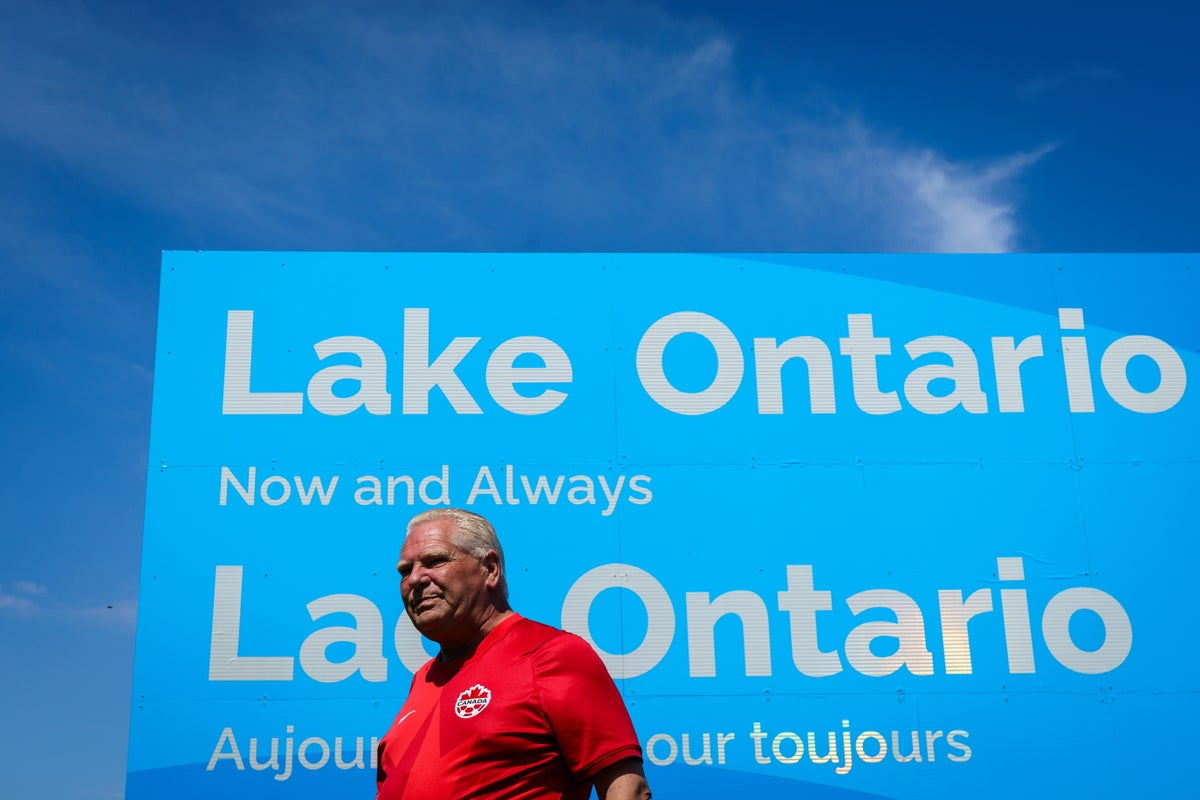
Naturally, Canada didn't launch missiles or call emergency United Nations summits. Instead, Ontario Premier Doug Ford put on a Team Canada soccer jersey, walked down to the shoreline near Grimsby, and unveiled a massive twenty-four-by-twelve-foot sign declaring the body of water as Lake Ontario, now and always.
The Politics of Petty Cartography
This isn't an isolated incident. It mirrors the exact playbook from Trump's first term return when he signed an order renaming the Gulf of Mexico to the Gulf of America. Back then, it raised eyebrows. By the time he turned his sights on the Great Lakes, Canadian leadership treated it like an aging rock band playing a tired, decades-old hit in a casino.
Manitoba Premier Wab Kinew didn't mince words about the routine. When politicians start Sharpie-ing new labels onto shared natural resources, you know trade negotiations have hit rock bottom.
The timing is far from random. Talks between the United States and Canada collapsed after mutual accusations of late demands, paving the way for retaliatory tariffs. Trump has spent months floating the idea of absorbing Canada as the fifty-first state, complaining about trade deficits, and trading insults with provincial leaders like Ford.
History Versus Sharpie Decrees
You can't rewrite centuries of indigenous history with a stroke of a pen in the Oval Office. Prime Minister Mark Carney pointed out that the name Ontario originates from the Huron Indigenous word oniatarí:io, meaning lake of shining waters. That terminology predates both the American Declaration of Independence and the Canadian Confederation.
A U.S. executive order can change federal maps and interior department databases within thirty days, but it holds zero weight on the northern half of the water, let alone international cartography. Even local American politicians jumped off the bandwagon immediately. New York Governor Kathy Hochul flatly stated her state wouldn't use the new moniker, and Wisconsin Governor Tony Evers mocked the entire premise by pretending to rename Lake Michigan on a diner napkin.
Why the Billboard Strategy Works
Building an eighteen-foot-tall landmark wrapped in bilingual text might look like a stunt, but it targets a very specific psychological need. People love local defiance wrapped in humor. When faced with economic pressure and constant political bullying from a superpower neighbor, humor becomes an effective shield.
Doug Ford noted that long after the current administration exits the White House, the water will still bear its historic title. Historians and political scientists note that while the stunts look funny on social media feeds, they mask a serious underlying friction. The white-hot rhetoric points to a profound discomfort in Washington with a sovereign northern neighbor refusing to act like a subordinate state.
Expect more theatrical posturing as trade disputes drag on through the autumn. For now, if you are planning a boat trip across the border, grab a traditional map. The federal government down south might call it something else on paper, but the locals are drawing a very literal line in the sand.