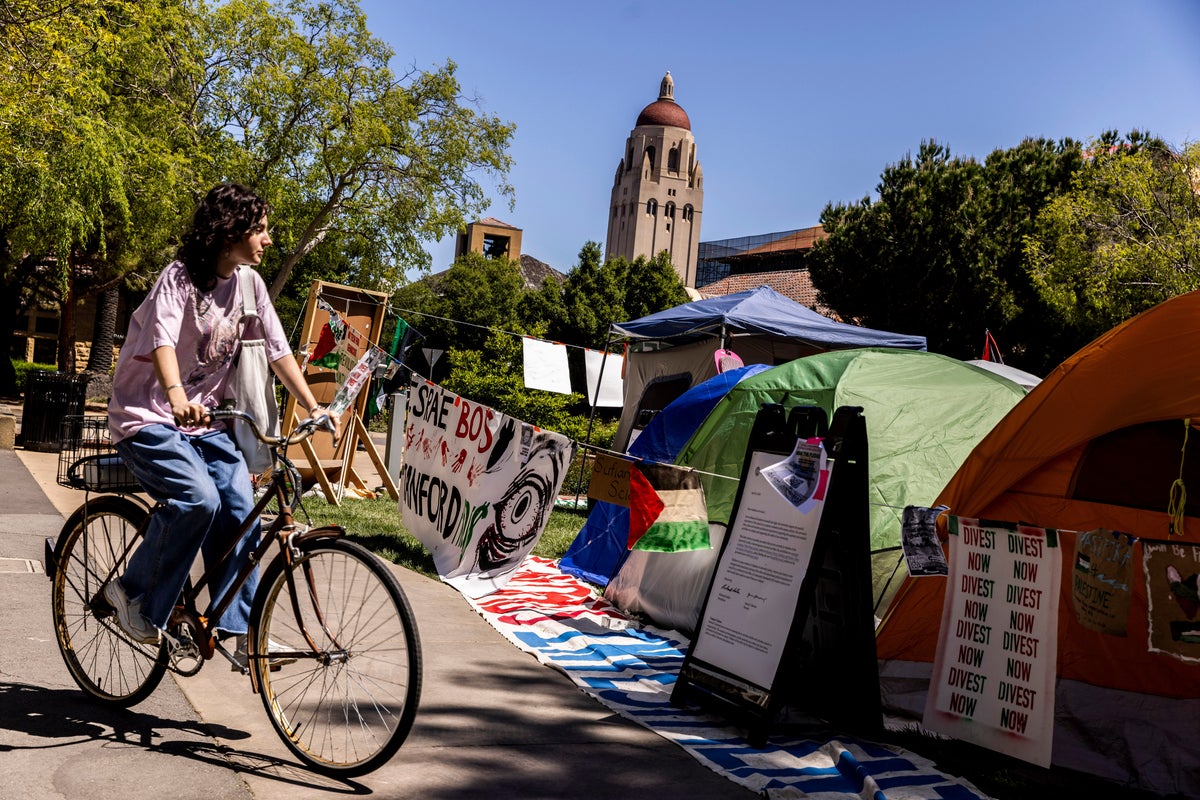
Every mainstream media outlet is popping champagne over the federal ruling that blocked the Trump administration from deporting noncitizen student journalists over their Gaza coverage. The lazy consensus screams that the First Amendment has been saved, that tyranny has been checked, and that the sacred halls of academia remain a sanctuary for uninhibited truth.
It is a comforting bedtime story for people who refuse to look at how power actually operates.
The ruling by U.S. District Judge Noël Wise in favor of The Stanford Daily misses the entire architecture of modern immigration control and sovereign survival. By pretending that a noncitizen visa holder possesses an unassailable, native-born constitutional right to dictate U.S. foreign policy from a campus quad, the judiciary has not protected free speech. It has institutionalized a legal fiction that leaves national borders utterly defenseless against geopolitical proxy warfare.
Let us define terms. A visa is not a green card, and a green card is not citizenship. A visa is a revocable, conditional entry permit issued by a sovereign state based on national interest. When the state decides that a guest is actively subverting its foreign policy or acting as an operational multiplier for hostile foreign narratives, revoking that privilege is not "censorship." It is basic border hygiene.
The media loves to frame this as a heroic David versus Goliath battle of brave student reporters facing midnight knocks. The reality is far more transactional. Foreign students are guests in a foreign house. Imagine a scenario where you invite a guest into your home, and that guest begins organizing protests in your living room, tearing down family photos, and actively undermining your household rules while screaming about freedom of assembly. You would not hand them a pamphlet on constitutional law; you would show them the front door.
The courts are pretending that sovereignty does not exist. Under the Immigration and Nationality Act, the executive branch has historically held broad discretionary authority over foreign nationals. Judge Wise struck down portions of these provisions by arguing that the standards are too vague and that they chill speech. But foreign policy is inherently fluid, pragmatic, and opaque. It is not governed by the strict, static text of a domestic statute. By forcing the executive branch to treat foreign nationals as if they were born in Ohio, the judiciary is handing the keys of national security over to federal judges who have never briefed an intelligence dossier in their lives.
Of course, the downside of this contrarian view is obvious. Once you grant the state wide latitude to deport guests based on political expression, you open the door for ideological creep. Administrations change. What starts as a crackdown on disruptive campus activists today can morph into something broader tomorrow. That is the inherent risk of state power.
Yet the alternative—pretending that a nation-state cannot police its own demographic makeup and ideological subversion during a global conflict—is national suicide. The Stanford Daily lawsuit was never about journalism. It was about weaponizing American constitutional protections to shield noncitizens from the geopolitical consequences of their own activism.
When a state loses the right to determine who is allowed to stay within its borders based on alignment with its national interest, it ceases to be a sovereign entity. It becomes an administrative zone open to any global faction with enough tuition dollars to buy a student ID.
The cheering over this ruling will be short-lived. History does not reward nations that prioritize the comfort of guest radicals over their own structural integrity.