The White House calls it an "option." The Pentagon calls it a "contingency." But on the sweltering docks of San Diego and in the windowless briefing rooms of Langley, it has a much simpler name: the seizure of Iran’s cash register.
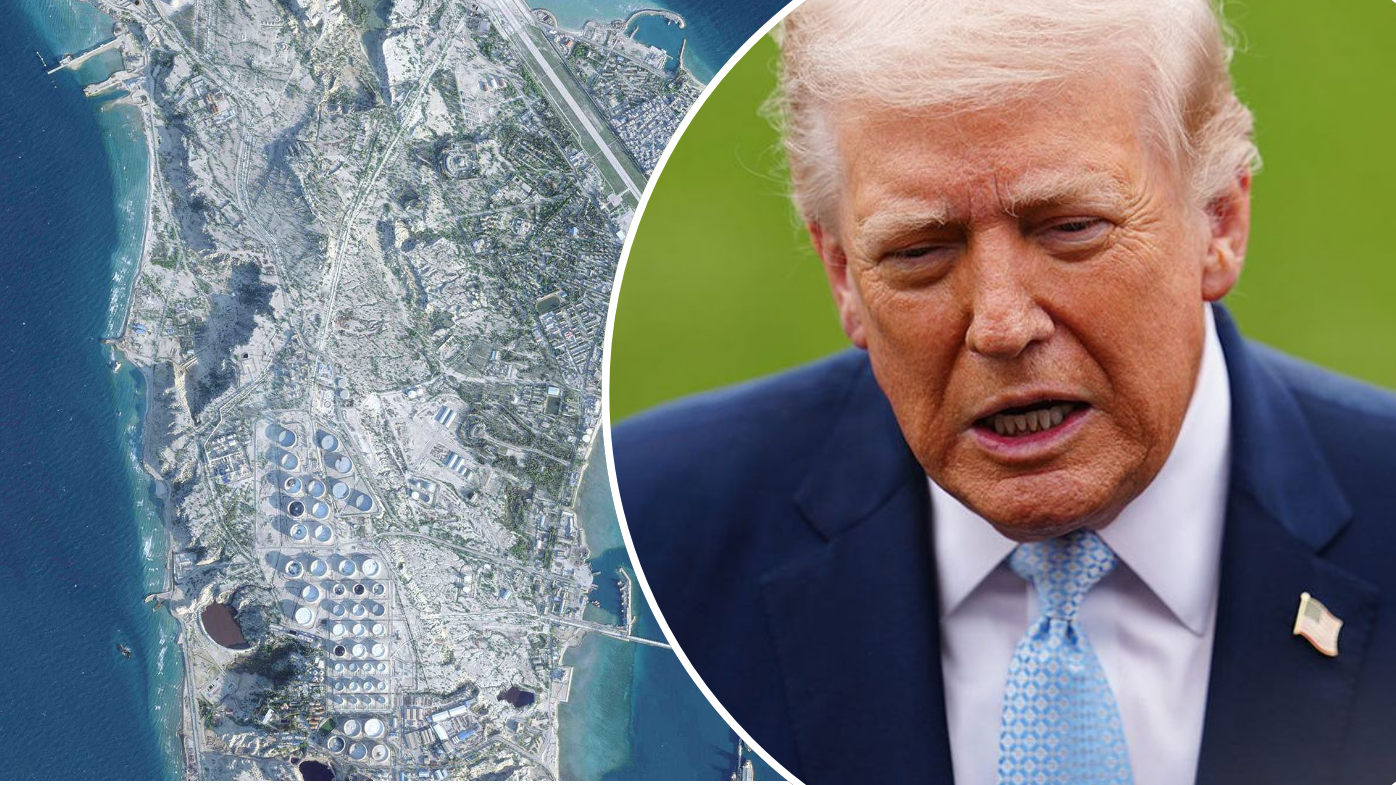
President Donald Trump is currently weighing a high-stakes ground operation to occupy Kharg Island, a coral-fringed limestone rock in the northern Persian Gulf that serves as the terminal for 90% of Iran’s crude oil exports. The primary objective is to break the Iranian blockade of the Strait of Hormuz, which has sent global gas prices screaming toward $5 a gallon and choked 20% of the world’s oil supply. By seizing the island, the administration believes it can "get them by the balls," as one senior official colorfully put it, forcing Tehran to reopen the shipping lanes or face total economic extinction.
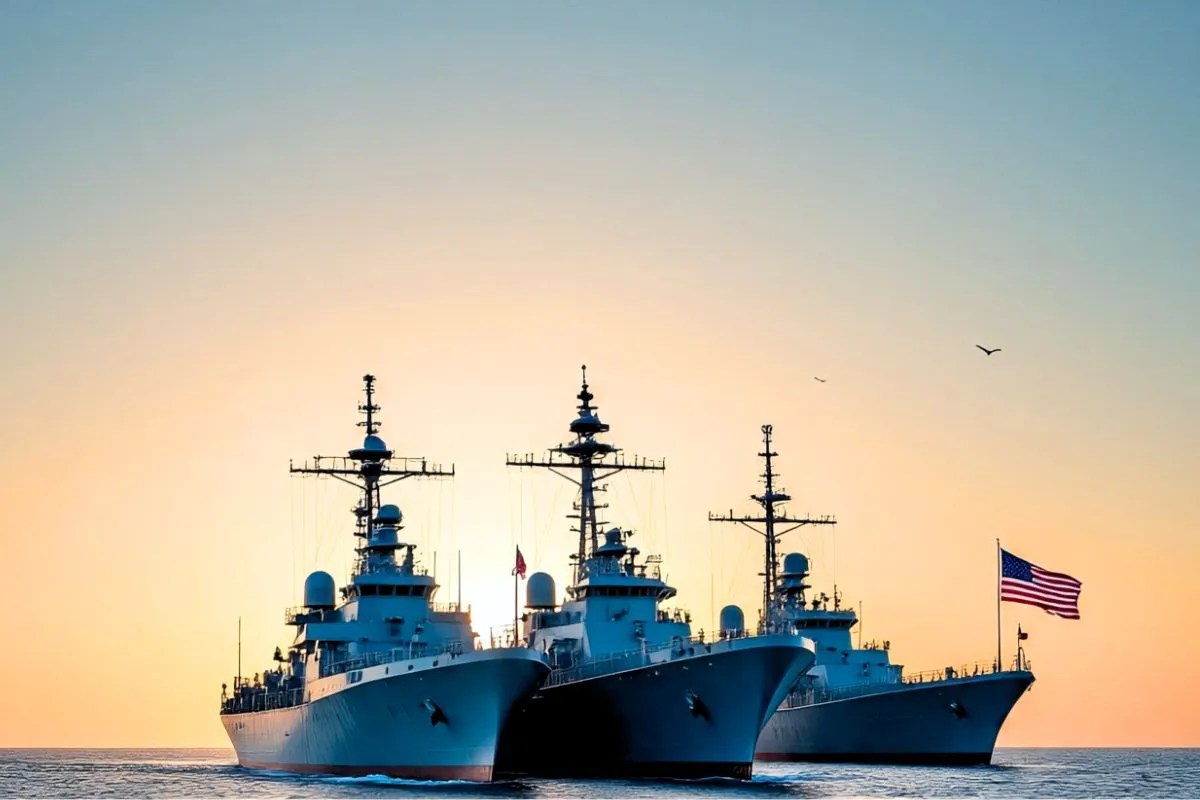
This is not a hypothetical exercise in saber-rattling. On Wednesday, the USS Boxer and two additional amphibious transport docks slipped out of San Diego carrying 2,500 Marines, joining a massive buildup of 50,000 U.S. troops already saturating the Middle East. While Trump publicly insists he has "no plans to send troops anywhere," the logistics tell a different story. You don’t move three Marine Expeditionary Units and request a $200 billion war chest from Congress just to conduct more airstrikes.
The Five Mile Prize
To understand why Kharg Island is the center of the universe right now, you have to look at a map. It sits just 15 miles off the Iranian coast. It is barely five miles long. Yet, this tiny patch of land is the physical manifestation of Iran’s sovereign wealth.
For decades, the "Kharg Option" has been the "Break Glass in Case of War" plan for U.S. presidents. Jimmy Carter looked at it during the 1979 hostage crisis. Ronald Reagan’s planners toyed with it during the Tanker War of the 1980s. But those leaders blinked, terrified of the "quagmire" that defines American military anxiety. Trump, operating on a transactional logic that treats geopolitics like a foreclosure proceeding, sees it differently. To him, Kharg isn't just a military target; it’s collateral.
Last week, U.S. precision strikes "obliterated" the military installations on the island—the radar sites, the surface-to-air missile batteries, and the IRGC speedboats nestled in its harbors. Crucially, the oil infrastructure—the massive T-head jetties and the Sea Island terminal—was left untouched. The message was clear. We can take your shield without breaking your sword. Now, the White House is deciding whether to send the infantry to hold the handle.
The Logistics of a Hostile Landing
Occupying Kharg is a nightmare disguised as a shortcut. Military analysts who have spent their lives studying the Gulf point to the "Inchon Problem." The last time the United States conducted a truly opposed amphibious landing was in Korea in 1950. Since then, the U.S. has specialized in "permissive" environments—landing in places where the enemy has already been pounded into submission or has fled.
Iran will not flee Kharg. Despite the airstrikes, the IRGC has spent forty years preparing for this exact scenario. The island is honeycombed with hardened bunkers. Even with 100% air superiority, a Marine landing force would be walking into a "kill zone" of pre-registered mortar fire and man-portable anti-tank missiles from the mainland.
"We need about a month to weaken them more," an administration source admitted. The plan involves a sustained "shaping" campaign—a polite term for carpet-bombing any Iranian asset within twenty miles of the coast—before the first hovercraft hits the beach. The goal is to create a "sanitized bubble" around the island, allowing U.S. engineers to take over the pumping stations and potentially even restart the flow of oil under American guard.
The Global Raspberry
The move to seize Iranian territory has met a "global raspberry" from traditional allies. French President Emmanuel Macron is pushing for a UN-led diplomatic solution, while British Prime Minister Keir Starmer has flatly refused to commit Royal Navy minesweepers to a mission he views as having no clear endgame.
Trump’s frustration with these "Rolls-Royce allies" is boiling over. In his view, the U.S. is the only country doing the heavy lifting to keep the global economy from flatlining. This creates a dangerous vacuum. If the U.S. goes it alone on Kharg, it assumes 100% of the risk. If a single Marine is captured and paraded through the streets of Tehran, the political fallout in a midterm election year would be radioactive.
Moreover, there is the "Sampson Option." Tehran has warned that if Kharg is occupied, they will set fire to every oil and gas field in the region. We aren't just talking about Iranian wells. We are talking about the massive refineries in Saudi Arabia and the LNG terminals in Qatar. If the Gulf goes up in flames, $5 gas will look like a bargain.
The Arithmetic of War
The Pentagon’s $200 billion request is the most honest document in Washington right now. It acknowledges that a "surgical" strike is a myth. You don’t occupy an island with a few hundred commandos; you hold it with thousands of troops, backed by a multi-carrier strike group, supported by a constant bridge of C-17 transport planes.
It is a massive bet on the "Big Stick" theory of diplomacy. The administration believes that once the U.S. flag is flying over Kharg, the Supreme Leader will realize the game is up and return to the negotiating table on Trump’s terms—abandoning the nuclear program and the missile enterprise in exchange for getting his cash register back.
But history suggests that Iranian hardliners don't respond to pressure by folding. They respond by expanding the theater of conflict. If they can’t export oil from Kharg, they will make sure nobody else exports oil from anywhere else.
The ships are already halfway across the Pacific. The Marines are checking their gear. The drones are circling the limestone cliffs of the northern Gulf. The decision hasn't been made yet, but in the West Wing, the silence is being replaced by the rhythmic thrum of a war machine that has already been set in motion.
Would you like me to analyze the specific defensive capabilities of the Iranian Revolutionary Guard Corps (IRGC) currently stationed on the mainland adjacent to Kharg Island?