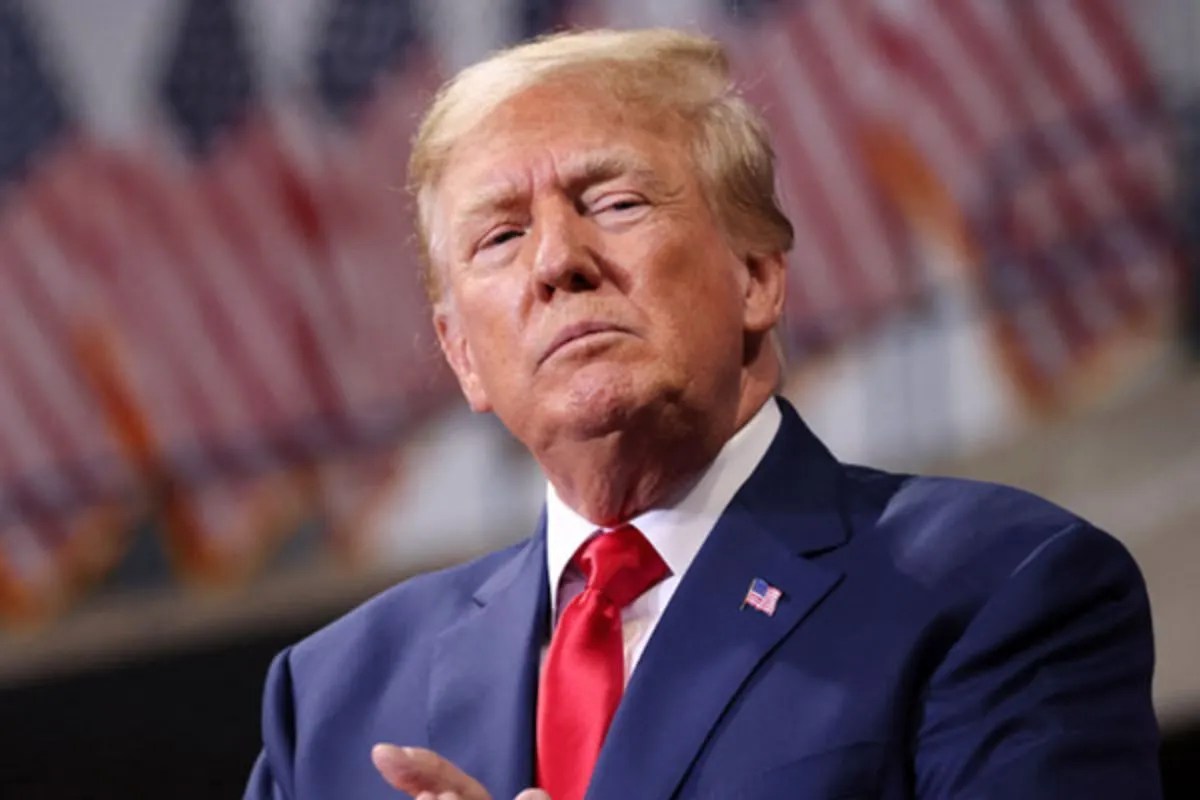
Donald Trump’s assertion that tariff-driven revenue has fundamentally corrected the United States' trade deficit while simultaneously financing or deterring Iranian aggression rests on a specific economic premise: the weaponization of market access. To evaluate this claim, one must decouple the political rhetoric from the underlying mechanics of international trade and the structural realities of fiscal policy. The core tension lies between the immediate liquidity generated by customs duties and the long-term inflationary pressures and supply chain shifts that redefine a nation's competitive standing.
The Triad of Tariff Mechanics
Tariffs function as a consumption tax on domestic importers, not a direct bill paid by the exporting nation. The logic of using these tools to reduce a trade deficit operates through three distinct transmission channels:
- Price Elasticity and Demand Suppression: By artificially increasing the landed cost of foreign goods, tariffs aim to shift domestic consumer behavior toward local alternatives. If the demand for an imported good is highly elastic, the volume of imports drops significantly, theoretically narrowing the trade gap.
- Revenue Liquidity vs. Deadweight Loss: While the government collects direct revenue at the port of entry, this gain is often offset by the deadweight loss—the loss of economic efficiency occurring when trade is restricted. This creates a fiscal surplus in the Treasury’s accounts that can be reallocated to defense spending or domestic subsidies, though at the cost of reduced purchasing power for the citizenry.
- Supply Chain Decoupling: Prolonged tariff regimes force firms to move production to non-tariffed jurisdictions. This does not necessarily eliminate the trade deficit; it often merely reroutes it through "pass-through" economies like Vietnam or Mexico, where goods are partially assembled to bypass country-of-origin restrictions.
The Paradox of Historical Trade Deficit Reductions
The claim of an "historic decline" in trade deficits requires a granular look at the components of the balance of payments. A trade deficit is not a loss-leader in a business sense; it is a reflection of the gap between national savings and national investment. When a country consumes more than it produces, it must import the difference, financed by capital inflows.
If the trade deficit shrinks during a period of high tariffs, it is frequently a symptom of broader macroeconomic cooling rather than a localized victory for protectionism. For instance, when domestic demand weakens, the appetite for foreign inputs diminishes. Conversely, if the US dollar remains the global reserve currency, the persistent demand for dollar-denominated assets keeps the currency strong, which paradoxically makes exports more expensive and imports cheaper, exerting a natural "pull" that expands the trade deficit regardless of tariff levels.
The Elasticity Gap in Strategic Commodities
The effectiveness of tariffs is fundamentally capped by the availability of substitutes. In sectors such as semiconductor manufacturing or rare earth mineral processing, the United States lacks the immediate industrial capacity to replace foreign imports. In these instances, tariffs function as a mandatory tax on the manufacturing sector, increasing the input costs for "Made in America" products and making them less competitive in the global market. The result is a net negative for the trade balance as export volumes decline in response to higher production costs.
The Geopolitical Intersection: Defense Funding and Iranian Containment
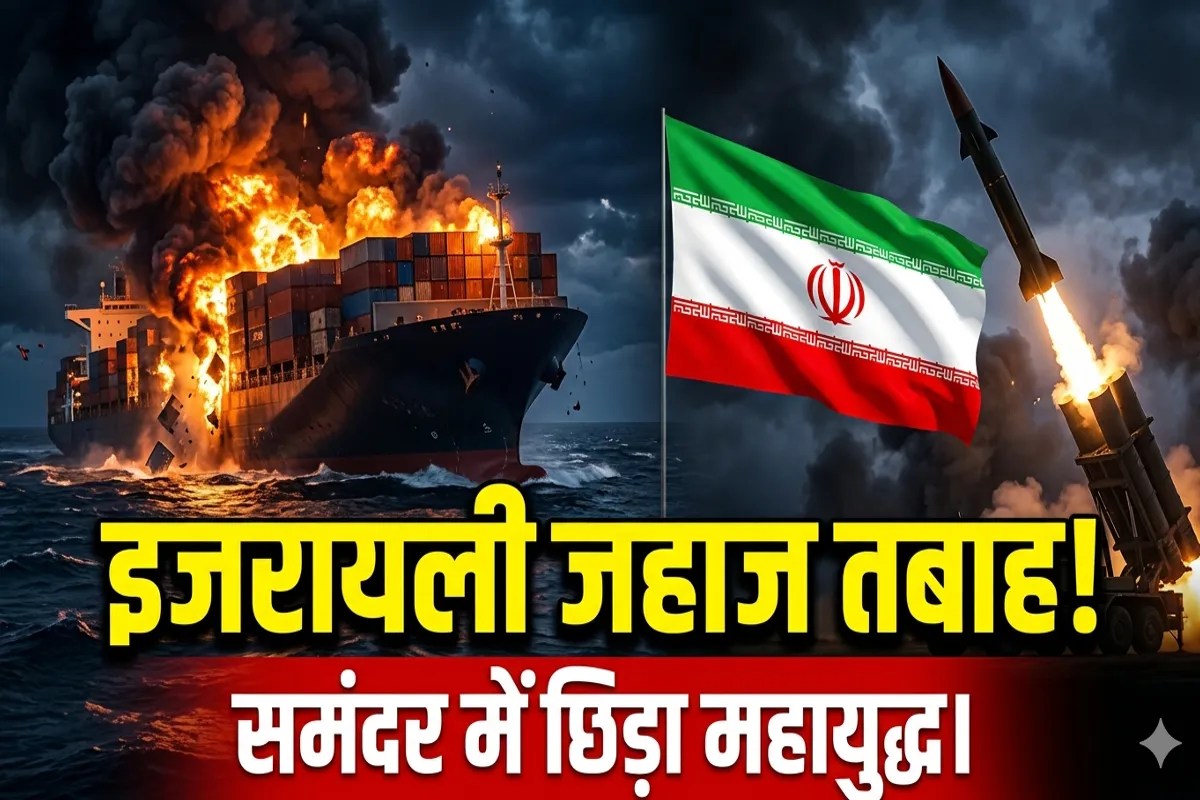
The intersection of trade policy and the escalating conflict with Iran introduces a "security premium" to economic strategy. The Trump administration’s logic suggests that tariff revenue provides the fiscal headroom to project power in the Middle East without increasing the national debt or relying on traditional tax hikes.
However, the efficacy of this strategy is contingent on the Sanctions-Tariff Feedback Loop. While tariffs target global trade generally, sanctions target Iranian oil and financial networks specifically. These two mechanisms interact in the following ways:
- Energy Market Volatility: Conflict in the Persian Gulf increases the risk premium on Brent Crude. For a tariff-heavy economy, rising energy costs act as an additional "stealth tariff" on consumers, further suppressing domestic discretionary spending.
- Secondary Sanctions and Trade Alliances: To effectively choke the Iranian economy, the US requires cooperation from trade partners who are simultaneously the targets of US tariffs. This creates a strategic friction where economic protectionism undermines the diplomatic cohesion necessary for total regional isolation of an adversary.
Evaluating the Strategic Efficacy of Tariff Revenue
The assertion that tariff proceeds have reached historic highs is factually grounded in the sheer volume of goods taxed, but the utility of this revenue must be measured against the Cost of Capital. If the federal government collects $100 billion in tariffs but the resulting trade friction and uncertainty lead to a 0.5% drag on GDP growth, the net fiscal position of the country has deteriorated.
The structural bottleneck in the "Tariffs for Defense" model is the time lag of industrial domesticity. Rebuilding a domestic manufacturing base to the point where it can satisfy national demand—thereby truly eliminating the trade deficit—takes decades, not years. In the interim, the economy remains in a state of high-cost transition.
The Second-Order Effects on Global Reserve Status
Every move toward aggressive protectionism signals a shift away from the post-1945 liberal trade order. This creates an incentive for rival powers, including the BRICS bloc and regional actors like Iran, to develop alternative payment systems that bypass the SWIFT network and the US dollar. If the dollar’s dominance wanes, the US loses its ability to run trade deficits at all, as it would no longer be able to print the currency the rest of the world is required to hold. This would force an immediate, painful correction of the trade balance through massive domestic austerity rather than strategic choice.
The Displacement of Value in Modern Warfare
The conflict with Iran is increasingly defined by asymmetric capabilities: drones, cyber warfare, and proxy militias. Funding a response to these threats via tariff revenue ignores the reality that modern defense is more a function of Research and Development (R&D) velocity than sheer hardware volume. A tariff regime that isolates a nation’s tech sector from global talent and component markets may provide the cash to buy more existing missiles, but it slows the innovation cycle required to counter evolving threats like Iranian-manufactured loitering munitions.
The trade deficit should be viewed as a thermometer, not the disease itself. A shrinking deficit caused by tariffs may indicate a feverish, closed economy rather than a healthy, self-sufficient one. If the primary goal is to project strength against Iran, the economic strategy must prioritize the stability of the global energy market and the preservation of the dollar’s hegemony, both of which are threatened by uncoordinated, broad-spectrum trade wars.
Strategic dominance requires a dual-track approach: surgical economic pressure on the adversary (sanctions) coupled with the maintenance of a high-liquidity, low-friction trade environment with allies. Attempting to use tariffs as a blunt instrument for both domestic industrial policy and foreign military funding risks a systemic "overheat" where the cost of maintaining the empire exceeds the revenue extracted from its trade routes. The play moving forward is not a further escalation of general tariffs, but a pivot toward a "Secured Trade Perimeter"—removing barriers for allied nations to consolidate a block that can collectively absorb the shock of Iranian regional disruption while isolating the Iranian economy through targeted, rather than global, financial exclusion.