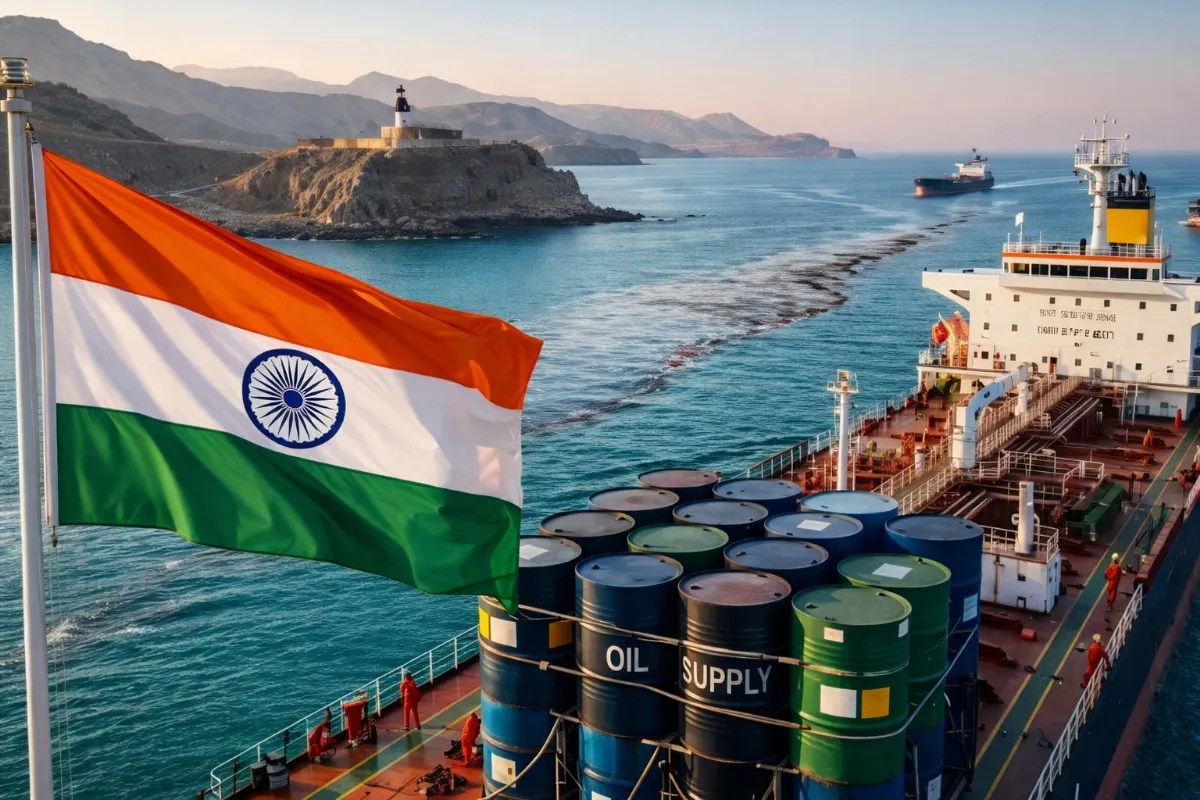
The air in the Strait of Hormuz doesn't just smell like salt; it smells like tension and diesel. It is a narrow, suffocating strip of water where the geopolitical ego of giants meets the cold reality of global commerce. Imagine standing on the deck of a massive oil tanker—a vessel the size of three football fields—realizing that you are floating on a powder keg in the world’s most dangerous choke point.
For the crew of a merchant vessel, the horizon isn't just a line. It’s a threat.
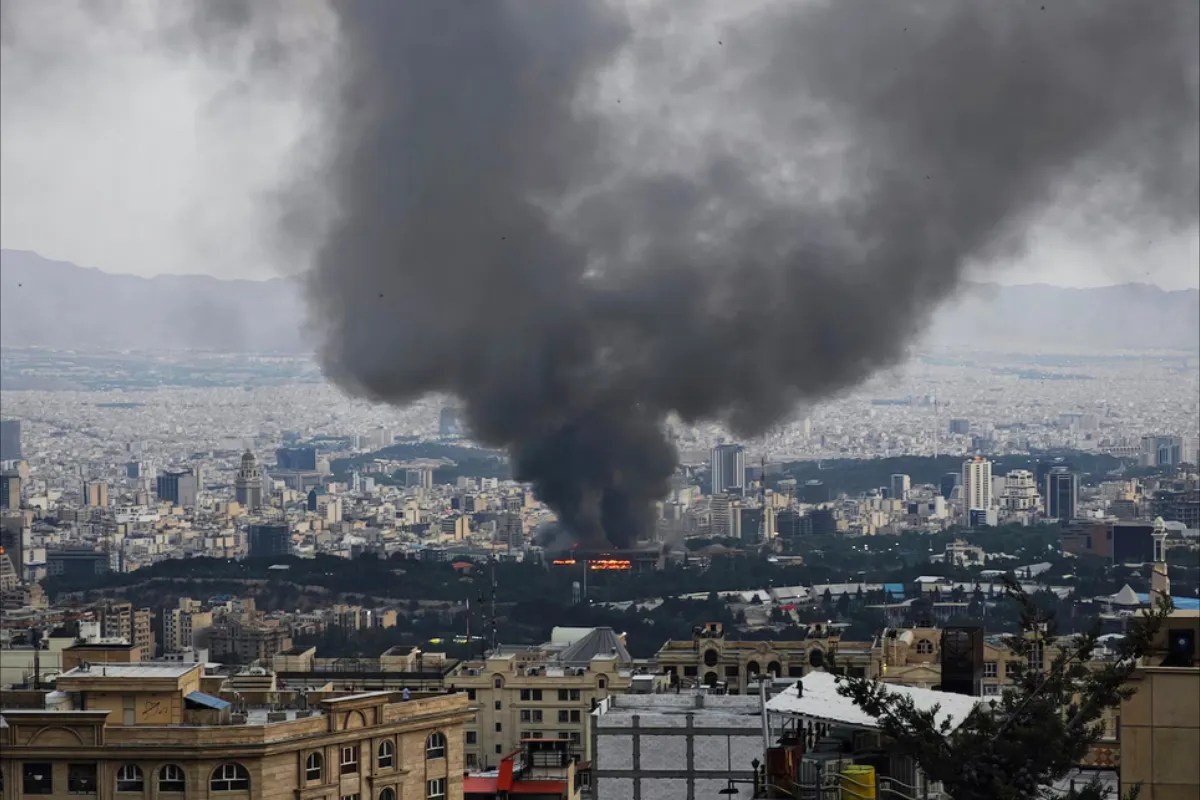
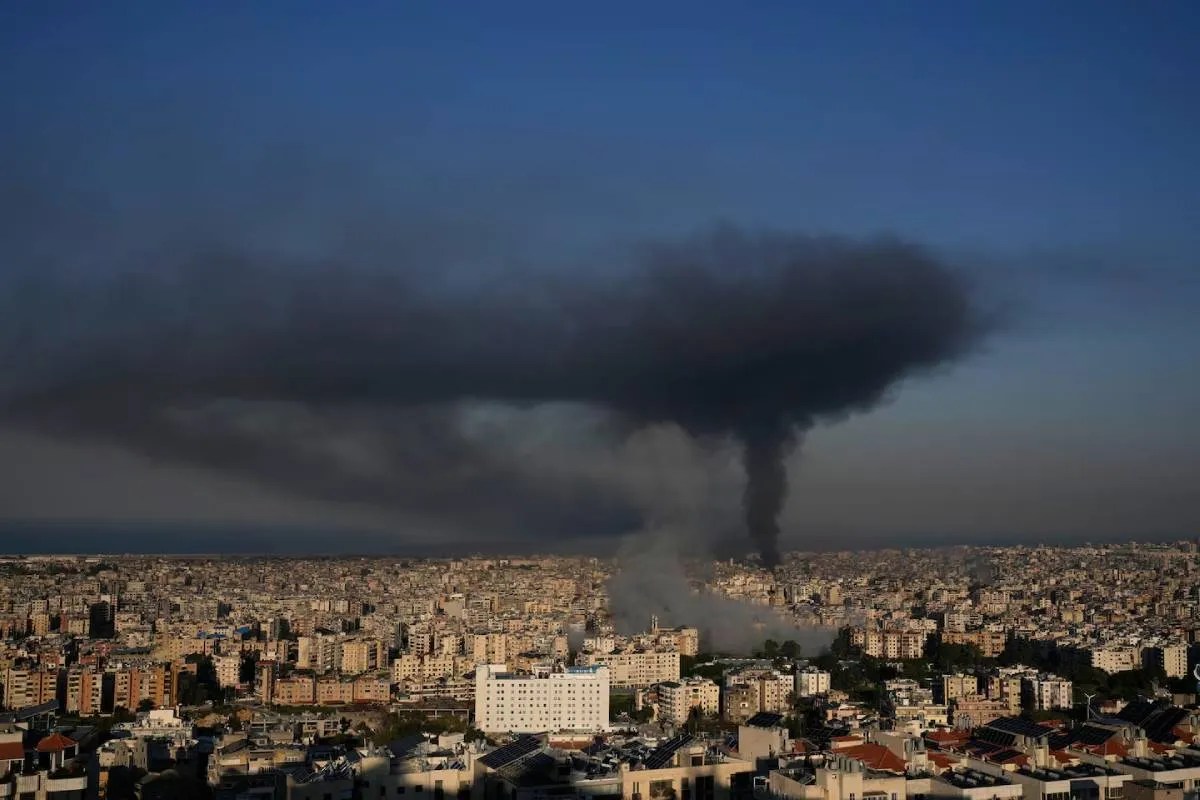
Recently, the shadows in these waters grew longer. Tensions between global powers and regional actors reached a fever pitch, turning the Strait into a tactical chessboard. One wrong move, one stray drone, or one misidentified signal could send the global economy into a tailspin. Yet, while the headlines screamed of imminent war and rising crude prices, a quiet, calculated miracle was unfolding. Eight Indian-flagged vessels, carrying the lifeblood of a nation’s industry, were caught in the crosshairs.
They didn't just get lucky. They were steered through the fire by an invisible hand.
The Weight of a Narrow Passage
To understand why these eight ships mattered so much, you have to look at the map. The Strait of Hormuz is barely 21 miles wide at its narrowest point. Through this needle’s eye passes one-fifth of the world’s total oil consumption. If this artery clogs, the world catches a fever. For India, the stakes are even higher. The country imports over 80% of its oil, and a significant chunk of that flows through this specific, volatile corridor.
Think of a captain—let’s call him Rajesh, a hypothetical but representative veteran of the merchant navy. Rajesh has spent twenty years on the high seas. He knows the rhythm of the waves, but he also knows the sound of a fast-attack craft approaching at midnight. When the sirens of conflict started wailing in the Gulf, Rajesh didn't just see a logistical challenge. He saw the faces of his crew and the responsibility of the cargo that keeps lights on in cities thousands of miles away.
The fear is tactile. It’s the way the radar screen flickers. It’s the way the bridge goes silent when an unidentified helicopter hovers just a bit too long. The "standard" news report will tell you that ships were "escorted" or "monitored." But it won't tell you about the sweat on a navigator’s palms as they thread the needle between territorial waters while regional powers exchange threats over open radio frequencies.
The Calculus of Protection
How does a nation ensure that eight massive targets move through a combat zone without a scratch? It isn't through bravado. It’s through a sophisticated, multi-layered shield known as Operation Sankalp.
Started years ago when tankers first began facing mysterious attacks and seizures, this operation is the embodiment of "speak softly and carry a big stick." The Indian Navy didn't just send ships; they sent a message. By deploying stealth frigates and destroyers like the INS Chennai or INS Teg, the Navy created a mobile sanctuary.
Consider the mechanics of this safety. It isn't just about having guns pointed at the horizon. It is about the Information Fusion Centre for the Indian Ocean Region (IFC-IOR). This is the brain of the operation. It tracks every "dark" ship—vessels that turn off their transponders to hide their movements. It monitors the shifting patterns of regional patrols.
When those eight ships entered the danger zone, they weren't alone. They were enveloped in a digital and physical cocoon. The Navy provided "over-the-horizon" protection. This means that while a merchant sailor might not always see a grey hull alongside them, a naval officer in a darkened room hundreds of miles away was watching their every move on a satellite feed, ready to scramble an armed boarding party or a helicopter at the first sign of trouble.
The Human Cost of Energy
We often talk about oil prices in terms of cents and dollars. We rarely talk about it in terms of heartbeats.
If those eight ships had been seized or damaged, the immediate impact would have been a spike in petrol prices at the local pump. But the deeper impact is the erosion of trust. In the shipping world, trust is the only currency that actually matters. Once a route is deemed "un-sailable," insurance premiums skyrocket. Some companies refuse to go altogether. This leads to a slow-motion strangulation of trade.
By successfully extracting these vessels, the Indian maritime strategy achieved something more important than just delivering barrels of oil. It proved that a middle power could safeguard its interests without escalating a local skirmish into a global catastrophe.
The strategy is one of "de-hyphenation." India managed to maintain diplomatic channels with the warring parties on both sides of the Strait while simultaneously patrolling the waters with an iron fist. It is a delicate dance. On one hand, you have the diplomats in New Delhi drinking tea and discussing regional stability; on the other, you have commandos on the deck of a destroyer, squinting through night-vision goggles.
The Silent Return
When the ships finally cleared the Gulf of Oman and hit the open waters of the Arabian Sea, there was no victory parade. There were no cameras waiting at the port of Jamnagar or Mumbai to celebrate the fact that nothing happened.
And that is the hallmark of a perfect operation.
In the world of security, success is often defined by the absence of a story. A successful mission is one that ends in a boring afternoon. For the crews of those eight vessels, the "relief" mentioned in the headlines was likely a long, deep breath and a phone call home.
The sea remains a cold, indifferent place. The geopolitical tensions haven't evaporated; they have merely shifted. The Strait of Hormuz will remain a flashpoint as long as the world depends on the ancient sunlight trapped in fossil fuels. But for a brief window in a time of chaos, the system worked. The invisible guardians stood their ground, and the ships moved on.
As the sun sets over the Indian Ocean, the wakes of these giants fade into the blue. The oil they carry will be burned in engines, turned into plastic, or used to pave roads, and the people using it will never know how close it came to being lost. They will never know the names of the captains or the sailors who stared into the dark and kept going.
The most important victories are the ones that happen in the silence between the explosions.