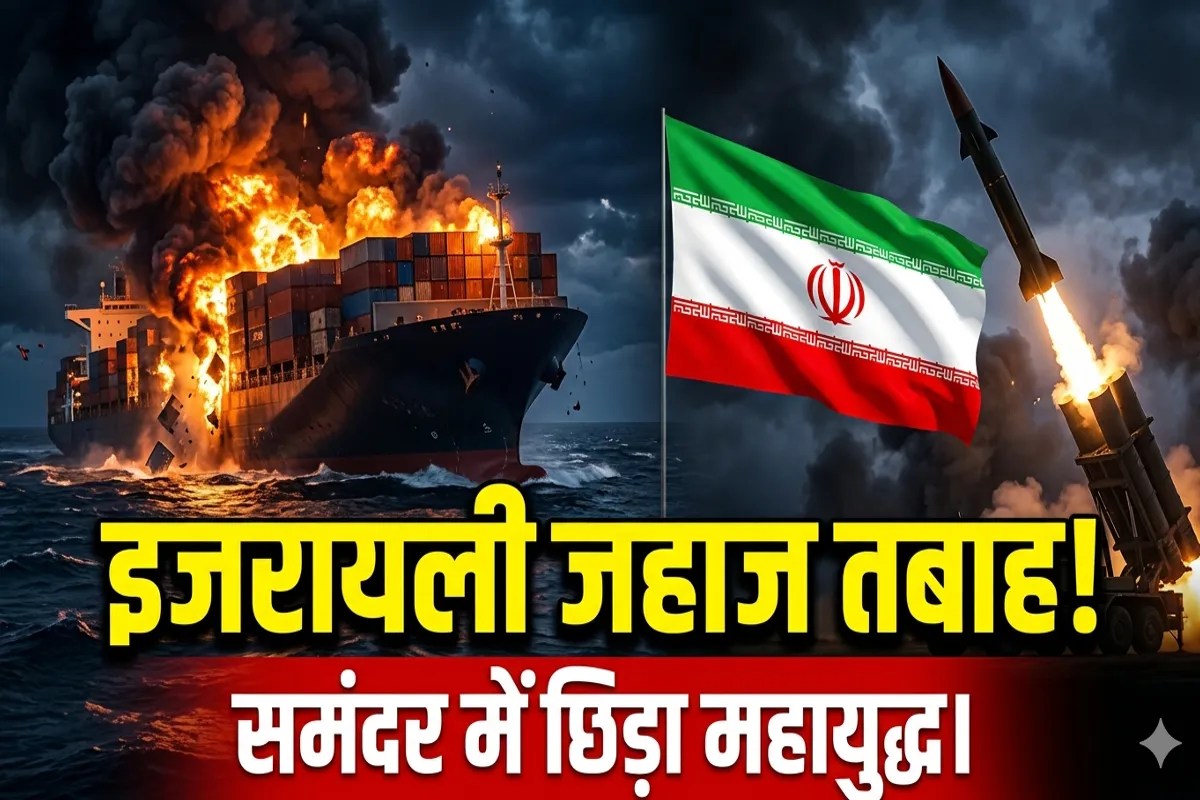
The coffee in the captain’s mug doesn't ripple until the first explosion hits. It is a mundane Tuesday morning in the Strait of Hormuz, a narrow strip of turquoise water that functions as the jugular vein of global commerce. To the casual observer on the shore, the MSC Aries is just another hulking steel behemoth, a floating city of containers carrying everything from high-end electronics to children’s toys. But in the high-stakes chess match of Middle Eastern geopolitics, this ship is no longer a vessel. It is a target.
The Sound of Falling Silence
When the commandos descended from the Mil Mi-17 helicopter, sliding down fast-ropes like spiders on silk threads, they weren't just seizing a ship. They were seizing the attention of every boardroom in London, every oil refinery in Texas, and every household in Tel Aviv.
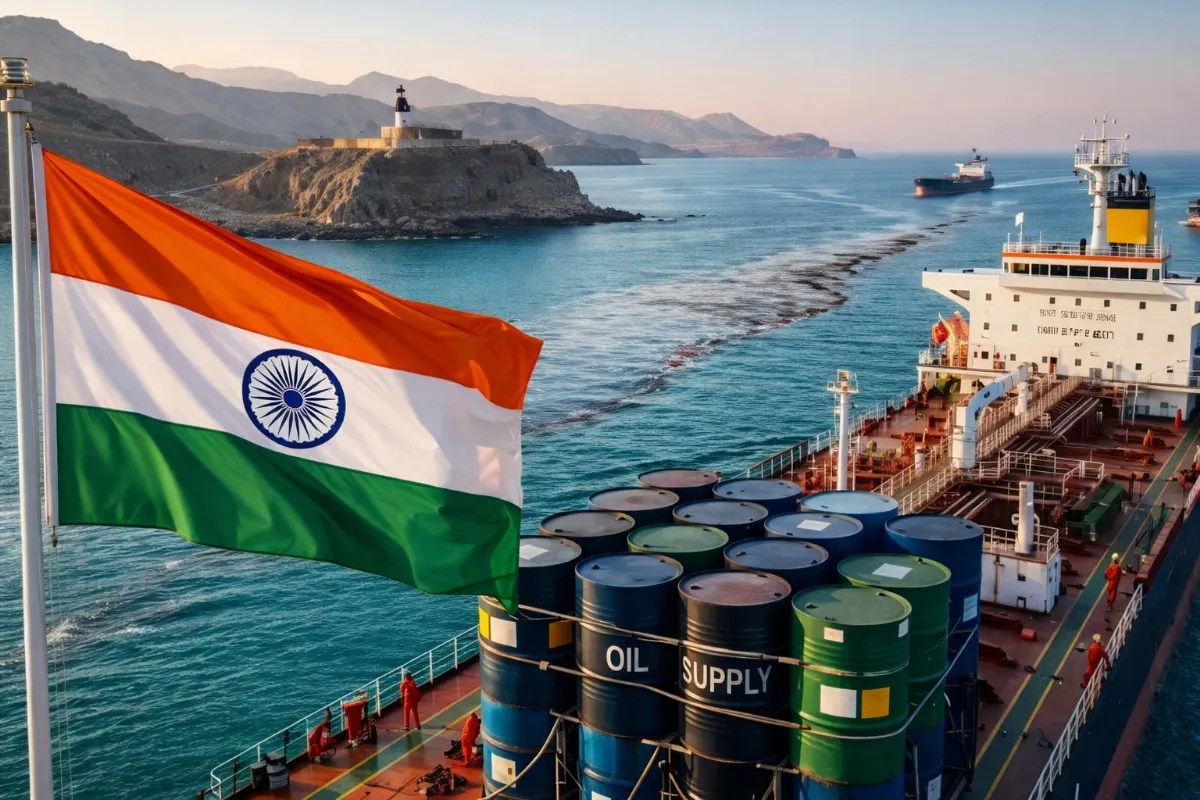
The air in the Strait is thick—salty, humid, and heavy with the scent of diesel. It is a claustrophobic stretch of water. At its narrowest, the shipping lanes are only two miles wide. If you stand on the deck of a tanker, the coastlines of Iran and Oman feel close enough to touch, a physical reminder that $20%$ of the world’s petroleum passes through a literal choke point.
When the IRGC (Islamic Revolutionary Guard Corps) boarded the Portuguese-flagged vessel, linked to Israeli billionaire Eyal Ofer, they didn't just disrupt a journey. They shattered the illusion of maritime safety.
The Invisible Crew
Consider the sailor.
Let’s call him Elias. He is twenty-four, from a small village in the Philippines, sending $80%$ of his paycheck home so his sister can finish nursing school. He doesn't care about the shadow war between Tehran and Jerusalem. He doesn't track the movements of the Arrow-3 missile defense systems or the rhetoric echoing through the halls of the United Nations.
For Elias, the "horror" isn't a headline. It is the sudden, deafening roar of a low-flying chopper. It is the sight of masked men carrying assault rifles on a deck that, five minutes ago, was a place of routine maintenance and quiet boredom.
The media focuses on the fire. They focus on the "Aasman tak uthin aag ki lapten"—the flames reaching for the sky. But the true story is the cold sweat on the palms of twenty-five crew members who suddenly realize they are bargaining chips in a game they never agreed to play. When a ship is seized, the world watches the flag. The families of the crew watch the clock.
A Sea of Fire and Math
To understand why this single event sends tremors through the global economy, we have to look at the math of modern survival.
The Strait of Hormuz is a funnel. If you clog the funnel, the pressure builds everywhere else. Within hours of the boarding, insurance premiums for cargo ships in the Persian Gulf don't just rise; they verticalize. Shipping companies begin to calculate the cost of "The Long Way"—the grueling journey around the Cape of Good Hope.
It adds ten days. It adds thousands of tons of carbon emissions. It adds millions of dollars in fuel costs.
But most importantly, it adds uncertainty.
We live in a "just-in-time" world. Your new smartphone, the components for your car’s braking system, the medication sitting in a temperature-controlled container—they all rely on the assumption that the sea is a neutral highway. When that highway becomes a combat zone, the "human element" shifts from the sailors on the water to the father in Ohio wondering why his heating bill just spiked, or the small business owner in Mumbai whose inventory is now stuck in a geopolitical limbo.
The Ghost in the Machine
There is a psychological warfare at play that goes beyond the physical seizure of a hull. It is the weaponization of geography. Iran knows that it doesn't need to sink an entire fleet to win a round of this war. It only needs to prove that it can reach out and touch anyone it chooses.
The MSC Aries was targeted because of its lineage—its connection to Israeli capital. This is the new face of conflict: the hunt for corporate DNA. In the past, wars were fought over borders. Today, they are fought over the beneficial ownership of a maritime asset.
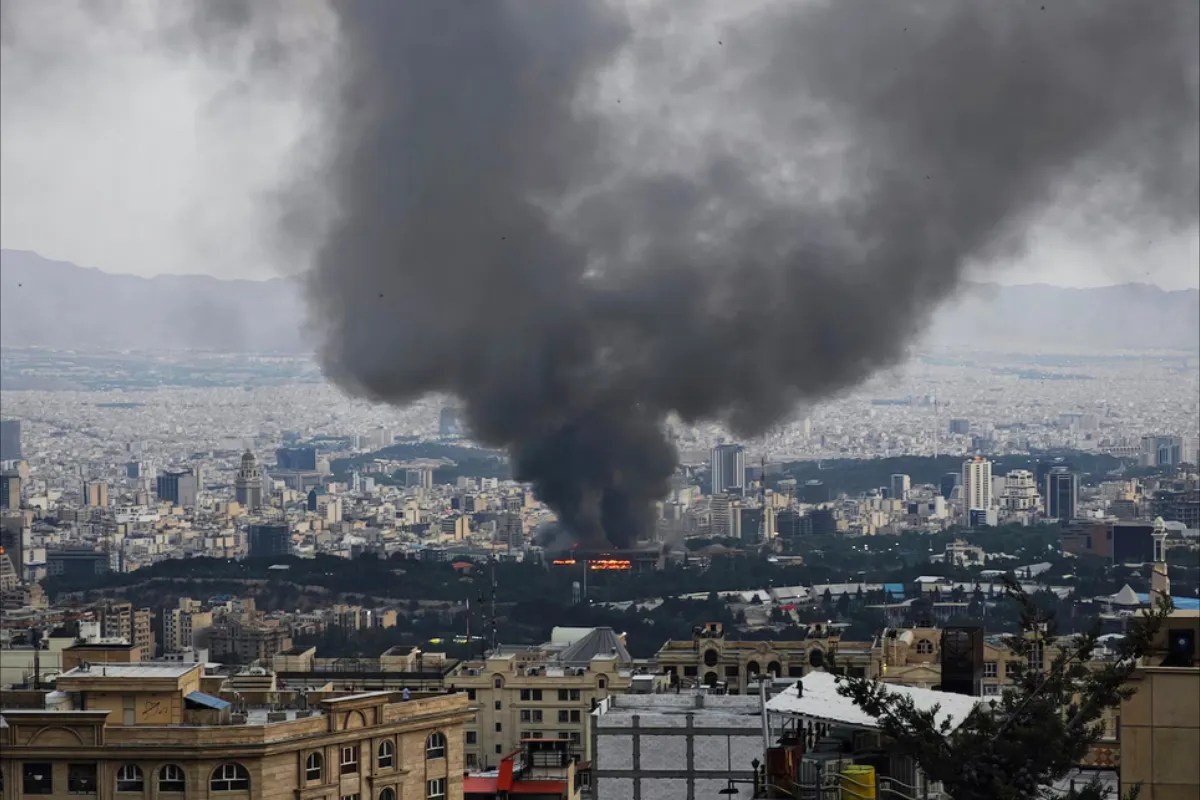
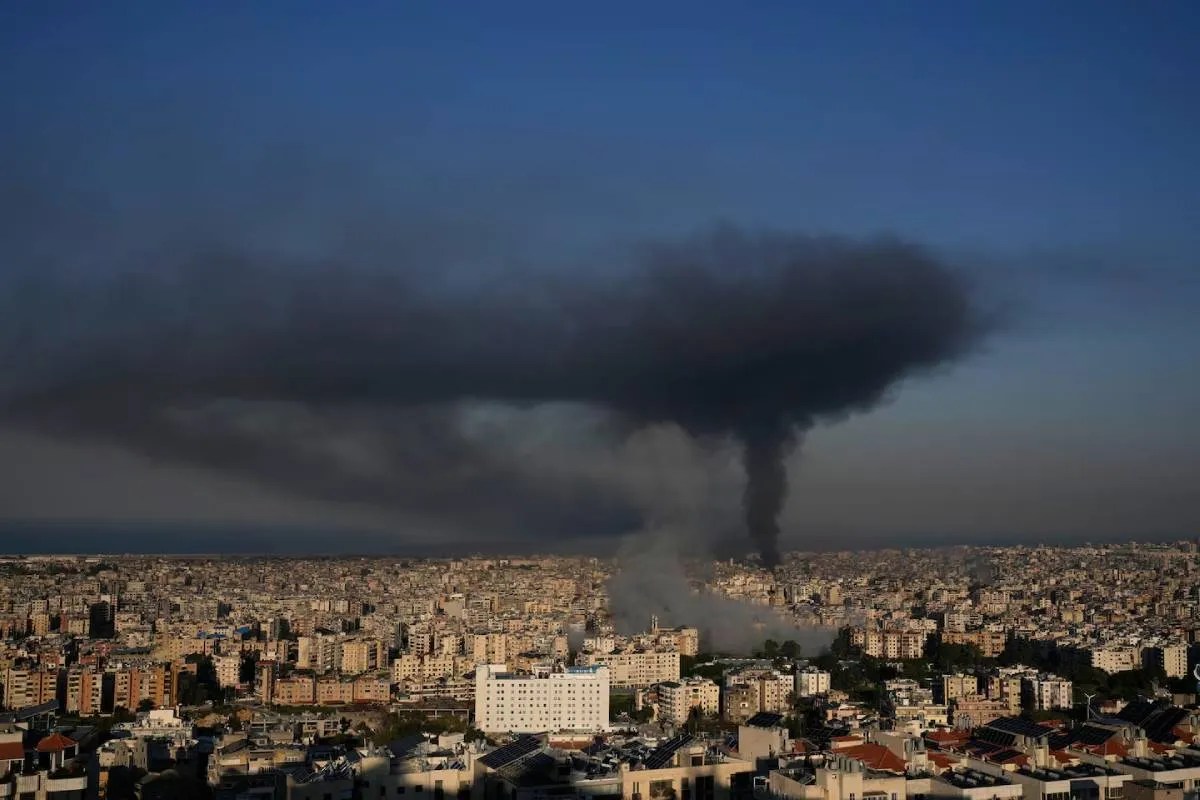
The flames mentioned in the reports are a spectacle, a signal fire designed to be seen from space and shared on social media. They are the punctuation marks at the end of a very long, very dark sentence. Tehran is saying: We are here. We see you. And we can stop the world.
The Fragility of the Blue Line
Standing on the bridge of a ship during a boarding is an exercise in profound helplessness. The technology on these vessels is staggering. We have GPS that can pinpoint a ship’s location within centimeters, radar that can track a bird through a storm, and engines that generate the power of a small city.
Yet, all that sophisticated hardware is useless against a man with a rope and a grievance.
The vulnerability is the point. We have built a global civilization on the backs of these steel whales, yet we protect them with little more than hope and international law—a law that feels increasingly like a polite suggestion in the face of raw power.
The "revenge" spoken of in the headlines is rarely about a single incident. It is a rolling tide. It is the response to an embassy strike in Damascus, a retaliation for a cyber-attack, a counter-move to a drone strike. Each act of aggression is a brick in a wall that is slowly closing off the world’s most vital corridors.
The Drift
As the sun sets over the Persian Gulf, the MSC Aries sits in Iranian waters, a silent monument to the fragility of our interconnected lives. The flames may eventually die down, but the heat remains. It’s the heat of a "Cold War" that is turning tepid, then warm, then blistering.
We often talk about "geopolitical tensions" as if they are weather patterns—something that happens to us, uncontrollable and distant. But look closer.
The tension is in the hands of the tugboat operator who now checks the horizon every thirty seconds. It’s in the voice of the logistics manager who has to tell a client that their shipment is "delayed due to unforeseen circumstances." It’s in the eyes of the crew who are now sitting in a mess hall, surrounded by armed men, wondering if they are the lead characters in a tragedy they didn't audition for.
The sea is supposed to be a place of horizonless possibility. For those currently caught in the Strait of Hormuz, the horizon has never felt more like a cage.
The world will continue to watch the oil prices. We will continue to analyze the satellite imagery of the scorch marks on the deck. But the real story isn't the fire. It’s the smoke—the way it lingers, the way it gets into everyone’s lungs, and the way it obscures the path back to a world where a ship is just a ship, and a journey is just a way to get home.