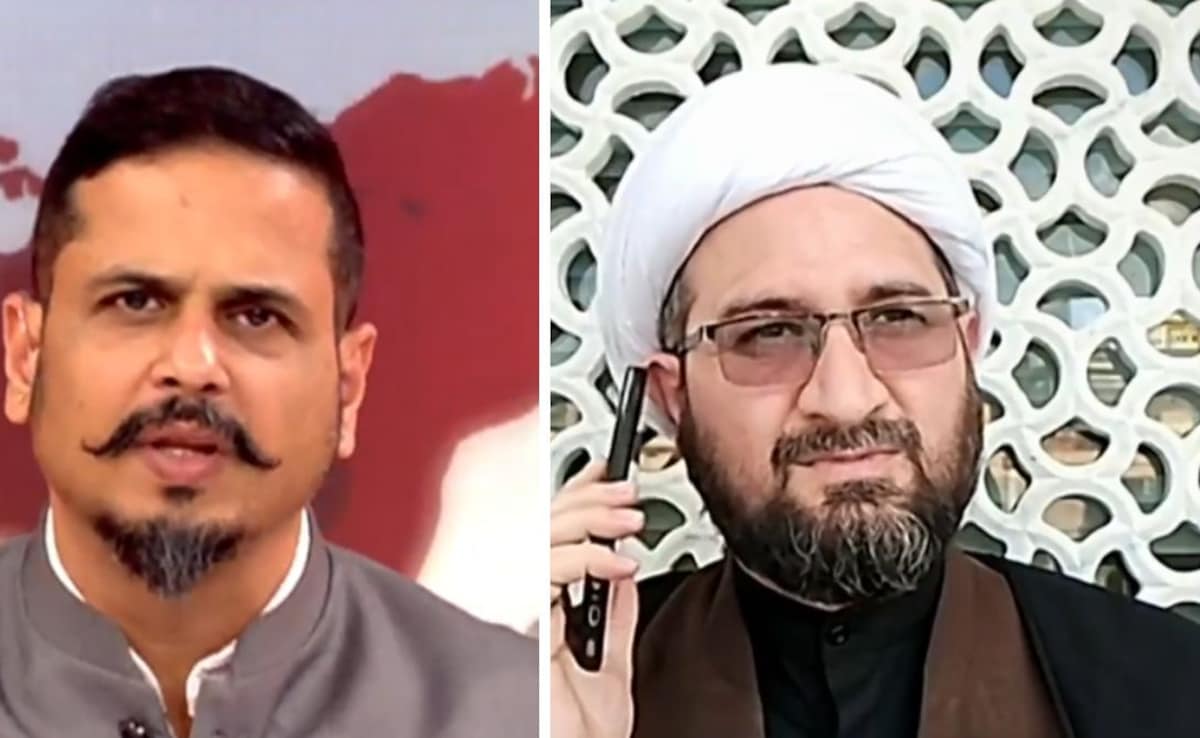
The accusation from the inner circle of the Mojtaba leadership is blunt. It suggests that Western powers have abandoned any pretense of humanitarian concern in favor of protecting shipping lanes and balancing trade sheets. While the rhetoric is sharpened for political gain, it exposes a friction point that modern diplomacy usually tries to hide behind sanitized press releases. The West is currently trapped in a cycle where economic stability is prioritized over the messy, unpredictable work of intervention or genuine human rights advocacy.
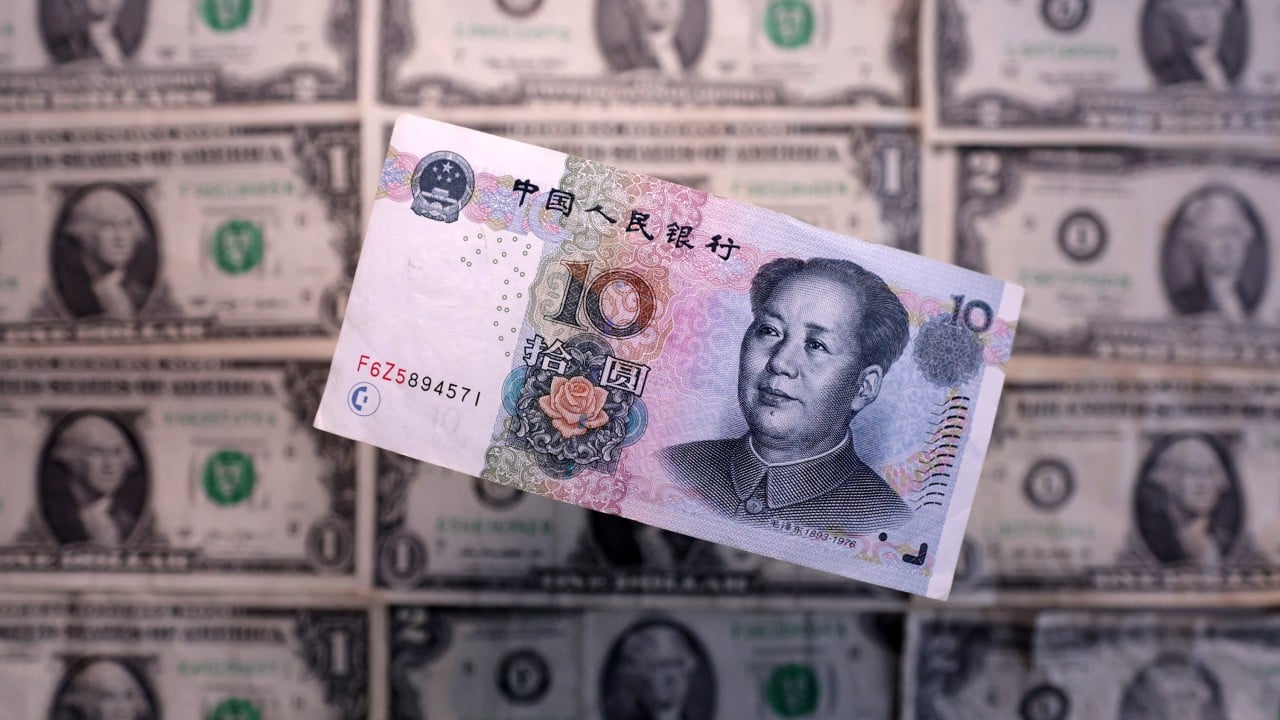
This isn't just a matter of cold hearts. It is a matter of cold math. When the flow of goods is threatened, the response is swift and kinetic. When a population is squeezed by internal strife or authoritarian grip, the response is often a series of "deep concerns" and toothless sanctions that rarely hit the intended targets. The disparity is no longer a secret; it is the operating manual for 21st-century geopolitics. For a more detailed analysis into this area, we recommend: this related article.
The Infrastructure of Indifference
Governments do not operate on morality. They operate on interests. For decades, the narrative sold to the public was that global trade would naturally lead to the spread of democratic values. The idea was simple: if you trade with a nation, they will eventually adopt your respect for human life and the rule of law. We now know this was a convenient fiction.
Instead of trade exporting democracy, the West has imported a reliance on regimes that view human rights as a Western luxury. This creates a leverage trap. When a high-ranking aide to a figure like Mojtaba points out that the West only cares about trade, they aren't just insulting their rivals. They are pointing out a vulnerability. They know that as long as the oil flows or the semiconductors keep shipping, the "red lines" regarding human suffering remain remarkably blurry. For additional context on this development, comprehensive reporting is available at BBC News.
Shipping Lanes vs. Bread Lines
Compare the global reaction to a blocked canal or a threatened port to the reaction of a localized famine or a crackdown on dissent. In 2021, when a single container ship wedged itself into the Suez Canal, the global economy panicked. Billions of dollars were lost every hour, and every major power coordinated to resolve the crisis.
Now, look at the protracted conflicts where civilian casualties mount daily. The intervention is sluggish. The funding for aid is always "under review." The difference is that a dead civilian doesn't affect the price of a consumer electronics shipment in London or New York. A blocked waterway does. This creates a hierarchy of crisis management where the movement of plastic and fuel is treated with more urgency than the survival of people.
The Sanctions Paradox
We are told that sanctions are the "civilized" way to punish bad actors without going to war. In reality, sanctions are often a tool that reinforces the very trade-first mentality they claim to bypass. High-level officials in targeted regimes rarely feel the pinch. They have the resources to circumvent financial restrictions through shadow banking and black-market trade.
The people who suffer are the ones at the bottom. The middle class is wiped out, and the poor lose access to basic medicine and food. Meanwhile, the West continues to carve out exemptions for the specific commodities it needs. We see this in energy markets, where "blood oil" is rebranded through third-party countries to keep the lights on in Europe and North America. It is a shell game that keeps the trade volume high while the moral high ground erodes.
The Myth of the Neutral Market
The market is never neutral. Every trade agreement is a political statement. By prioritizing the "stability" of a region for the sake of commerce, Western powers often end up subsidizing the very oppression they claim to oppose. If a regime is "too big to fail" because it sits on a vital resource or controls a strategic chokepoint, it is essentially given a license to ignore international norms.
This creates a cynical feedback loop. Leaders in these regions see the West’s hesitation and realize that as long as they remain economically relevant, they are safe. They watch as trade delegations follow shortly after human rights reports, and they draw the only logical conclusion: the reports are for domestic consumption in the West, while the trade deals are the real policy.
The Silicon Shield and Resource Hunger
The desperation for resources has changed the map of ethical diplomacy. We are no longer just talking about oil. The race for rare earth minerals and the components required for the "green revolution" has created a new set of compromises. To build a fleet of electric vehicles, the West needs materials sourced from mines where labor practices are reminiscent of the 19th century.
The "West" is not a monolith, but its corporate interests often act as one. These interests lobby for favorable trade terms with regimes that have abysmal records. The argument is always the same: if we don't trade with them, someone else will. It is a race to the bottom that uses "economic necessity" as a shield against any meaningful reform.
The Cost of Looking Away
The long-term danger of this trade-first approach is the complete loss of soft power. When the aide to a controversial leader can accurately call out Western hypocrisy on the world stage, the West loses its ability to lead through influence. If everyone knows the "rules-based order" is actually a "profit-based order," the rules cease to matter.
This leads to a more dangerous world where every actor feels justified in pursuing their narrowest interests. If the West will overlook a massacre to keep a port open, why should any other nation follow international law? The erosion of these norms doesn't happen all at once. It happens in the quiet moments when a trade envoy signs a deal in a city where the jails are full of political prisoners.
The Architecture of Compromise
Modern diplomacy has become a branch of corporate risk management. Diplomats are increasingly tasked with "de-risking" environments for investment rather than advocating for systemic change. This shift has turned foreign policy into a series of transactional encounters. You give us access to your markets; we give you a pass on your internal "security measures."
This isn't a secret held by high-level analysts. It is visible to anyone watching the movement of capital. Money doesn't fear a dictator; it fears instability. Often, a "strongman" who can guarantee that the trains run and the factories stay open is seen as a better partner than a messy, unpredictable democracy that might actually listen to its people.
The Rhetoric of Convenience
We see this play out in the way "human rights" are used as a weapon against enemies but ignored in allies. If a country is an adversary, every infraction is a headline. If a country is a vital trade partner, those same infractions are "internal matters" that require "quiet diplomacy." This inconsistency is the fuel for the propaganda machines of the Mojtabas of the world. They don't have to lie; they just have to point at the map.
The West’s defense is usually that they are engaging in "realpolitik." They claim that by staying at the table, they can exert more influence than by walking away. But decades of data suggest that this engagement rarely leads to reform. It usually just leads to more trade. The regimes get richer and more technologically advanced at suppressing their own people, and the West gets cheaper goods.
The Death of the Moral Authority
The ultimate price of prioritizing trade over people is the death of the West's moral authority. This isn't just an abstract loss. It has practical consequences. When the West tries to build a coalition to stop an actual act of aggression, they find that many nations in the Global South are indifferent. They have seen the West's selective application of "values" and decided to play the same game.
The world is becoming a marketplace of competing hypocrisies. In this environment, the only thing that matters is leverage. If you have what someone else needs, you can get away with anything. If you don't, you are subject to the full weight of "international law."
A Strategy of Managed Despair
The current trajectory suggests that the West has moved into a strategy of managed despair. The goal is no longer to solve human rights crises, but to contain them so they don't disrupt the global supply chain. We build walls, we fund offshore detention centers, and we sign trade deals with the jailers.
This approach assumes that the system can withstand the pressure of billions of people realizing they are merely "externalities" in a global balance sheet. It is a dangerous gamble. History shows that when people feel they have no stake in the global order, they eventually seek to tear it down.
Breaking the Trade Trap
Fixing this requires more than just a change in tone. It requires a fundamental decoupling of trade policy from the short-term interests of multinational corporations. It means implementing trade standards that are actually enforced, where access to the world's most lucrative markets is strictly contingent on verifiable human rights benchmarks.
This would be expensive. It would mean higher prices for consumer goods and slower growth for certain sectors. It would mean acknowledging that the "efficiency" of the global market is currently subsidized by the suffering of people who have no voice in the system. The question is whether the West is willing to pay the price of its own principles.
The Hard Choice
The aide's comment to NDTV was intended to sting, and it did, because it contained a grain of truth that is becoming a mountain. The West can continue to manage its trade-first empire until it eventually collapses under the weight of its own contradictions, or it can begin the painful process of re-aligning its economic power with its stated values.
The current path is one of slow-motion moral bankruptcy. We are trading away the future stability of the world for the sake of quarterly earnings and stable shipping rates. If the human cost remains an afterthought, then the "West" is no longer a collection of values, but merely a collection of consumers.
The reality of the situation is that a trade-first policy is actually a trade-only policy. Everything else is just noise. The transition away from this will not be led by politicians who are funded by the beneficiaries of the current system. It will only come when the public realizes that the "cheap" goods they enjoy are the most expensive items they will ever own.
Stop looking for a hidden meaning in the rhetoric of global leaders. Look at the shipping manifests. Look at the port entries. Look at where the money flows when the shooting starts. That is where the true policy is written. The rest is just a performance for an audience that is increasingly seeing through the curtain.
The West doesn't have to choose between trade and people, but it must stop pretending that the former automatically benefits the latter. Until the cost of human life is factored into the price of a barrel of oil or a ton of lithium, the accusations of hypocrisy will remain not just accurate, but undeniable. The ledger is out of balance, and the debt is being paid by those who can least afford it.