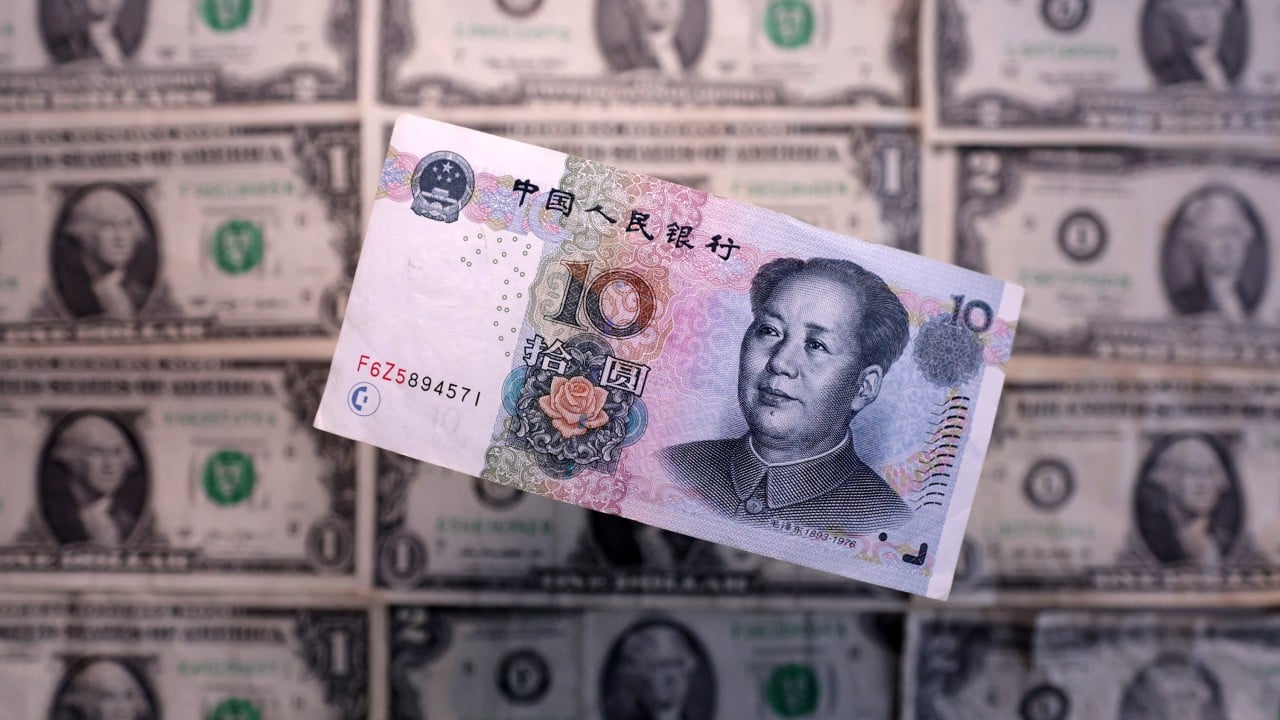
If you've been watching the headlines lately, you've probably heard the same old song about the US and China. One week, China’s about to overtake the Americans; the next, their property market is a smoldering ruin and the US is pulling away. Honestly, the data right now suggests the "gap" is actually widening in favor of Washington. But there's a massive, oil-soaked wildcard in the room that most analysts are ignoring.
I'm talking about Iran. Specifically, the escalating conflict involving the US, Israel, and Tehran that’s currently shaking 2026 to its core. While the US economy looks stronger on paper, this Middle Eastern quagmire is the one thing that could actually force these two rivals into a weird, desperate embrace.
The numbers don't lie about the US lead
Right now, the US is surprisingly resilient. Despite all the talk of "de-dollarization" and high interest rates, the American economy is humming along while China struggles to find its footing. The IMF’s April 2026 outlook shows the US holding onto growth while China deals with what looks like a permanent "Japan-style" stagnation trap.
Here's the reality. China’s factory prices are falling, their wages are barely moving, and that property crisis isn't going anywhere. Meanwhile, the US has basically sprinted ahead in the AI race. By pulling out of international frameworks like UNESCO to focus on domestic "hard power," the US is signaling it doesn't care about the old rules anymore. It's just going to out-compete everyone.
But being #1 comes with a massive bill, especially when you're funding a war. The "widening gap" is real, but it’s fragile.
Iran is the pivot point nobody saw coming
You can't talk about US-China competition without looking at the Strait of Hormuz. Iran is China’s gas station. Since 2021, they’ve had a 25-year deal where China gets oil at massive discounts. About 13% of China's oil imports come from Iran. When the US or Israel strikes Tehran, they aren't just hitting a "rogue state"—they're hitting China's supply chain.
Jeffrey Sachs, the former UN official and economist, hasn't been shy about calling this a "strategic miscalculation." He’s argued that the US is basically walking into a trap. If the US stays stuck in a quagmire in Iran, it does two things:
- It drains the very treasury that’s supposed to be funding the "economic gap" over China.
- It forces China to step in as a "peacemaker" because they literally cannot afford for the oil to stop flowing.
How the war actually helps China's factory floor
Wait, wouldn't a war in Iran hurt China? In the short term, sure. But look closer. China has been stockpiling oil like crazy. Reports from early 2026 show they have enough to last three or four months without a single new drop.
More importantly, while the US deals with "sticky" inflation—where prices stay high and hurt consumers—China is actually suffering from deflation. A moderate rise in oil prices is actually good for Beijing right now. It helps reflate their economy. Plus, since they buy Russian oil at a discount, their factory costs aren't rising as fast as ours.
Think about that for a second. The US goes to war, energy prices spike, and American companies get hit with higher shipping and production costs. China, sitting on a mountain of cheap Russian and Iranian crude, keeps its prices low. The "gap" might be widening in total GDP, but in terms of trade dominance, the US is handing China a massive opening.
The UNESCO exit and the soft power vacuum
It’s not just about oil and missiles. By the end of 2026, the US is set to fully withdraw from UNESCO. While that might sound like bureaucratic noise, it’s a huge deal for AI.
If the US isn't at the table where the rules for AI are written, guess who is? China. They’ve already built the world’s largest higher education system. They’re pumping hundreds of billions into STEM. While the US moves toward private school vouchers and cuts public education budgets, China is playing the long game. They’re positioning themselves as the "responsible" global leader while the US plays the role of the "angry enforcer" in the Middle East.
What you should actually be watching
Don't get distracted by the daily stock market swings. If you want to know who’s winning, watch these three things:
- The "TACO" Trade: Analysts call it the "Trump Always Chickens Out" trade—the idea that despite the tough talk, the US will eventually cut a deal with China to avoid a total global collapse.
- Education Exports: US university enrollment for Chinese students has dropped from 372,000 to about 266,000. That’s a massive loss of "soft power" and future talent.
- The $400 Billion Deal: Keep an eye on how much China actually invests in Iranian infrastructure this year. If they keep building while the US keeps bombing, the regional influence shift will be permanent.
The "gap" is a distraction if you aren't looking at the leverage. The US has the bigger bank account, but China is starting to hold the keys to the neighborhood. If the war in Iran drags on, that bank account is going to start looking a lot smaller, and China's "stagnation" might just look like a tactical pivot.
If you're an investor or just someone trying to make sense of the world, stop looking at GDP as the only scoreboard. Look at energy security and who's still showing up to international meetings. The winner isn't the one with the most money; it's the one who can still afford to keep the lights on when the oil stops moving.
Watch the oil prices in June. If they stay above $100 a barrel, expect the US to start making some very "un-American" concessions to Beijing just to keep the global economy from falling off a cliff.