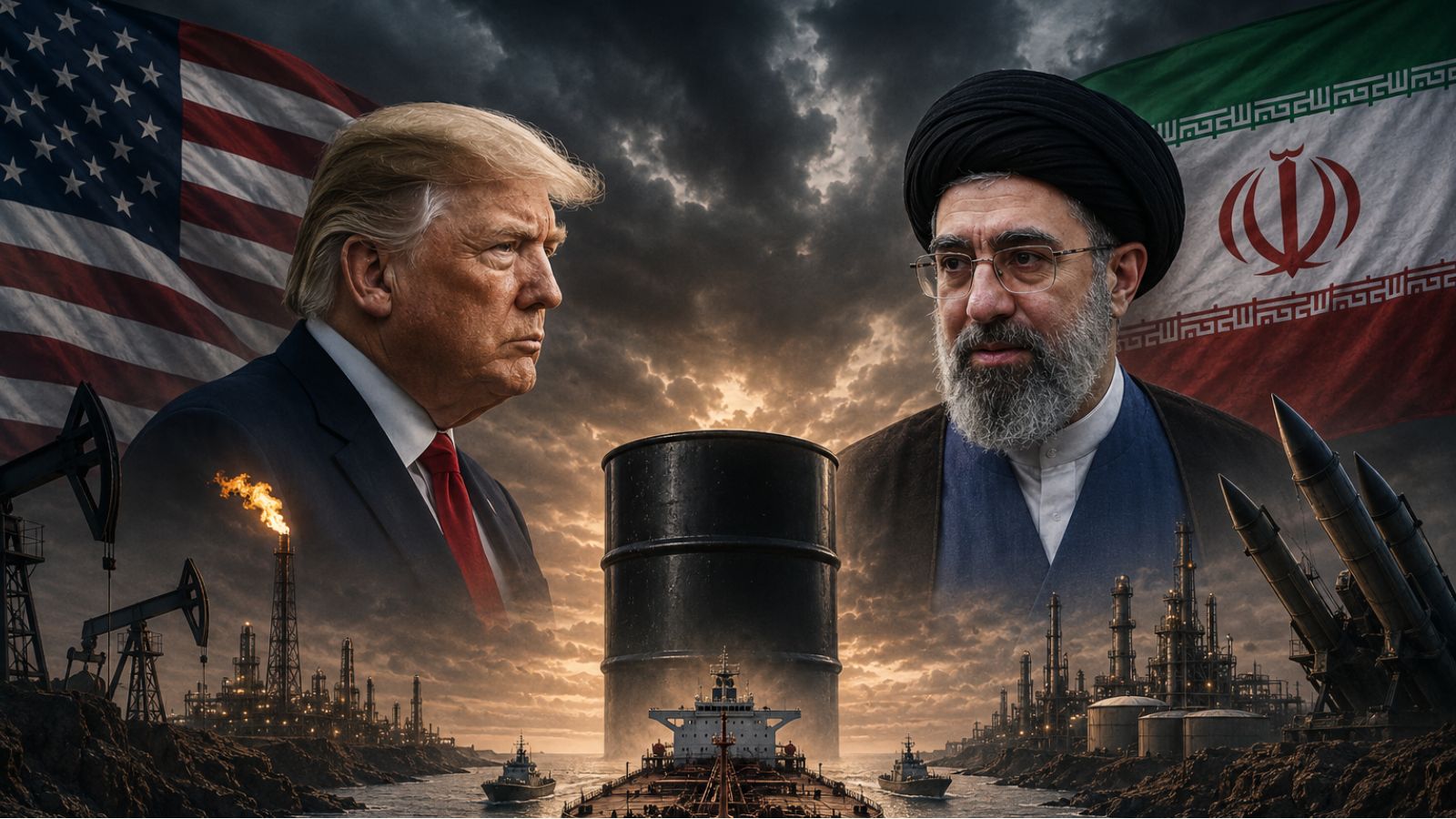
For decades, Tehran’s clerical rulers mastered the dark art of bypassing Western penalties. They used front companies, unregistered tankers, and a web of regional intermediaries to keep cash flowing. But the latest iteration of American economic warfare is hitting differently. Washington's combination of strict oil blockades and aggressive secondary sanctions is no longer just causing inconvenience. It's pushing the Iranian state toward a breaking point.
When you look at the numbers coming out of Tehran, the reality is stark. Iranian crude loadings have plummeted to roughly 260,000 barrels a day, down from an estimated 1.7 million barrels a year prior. That's an astronomical drop that guts the primary revenue stream funding the government. Commodity analytics firms like Kpler have tracked this dramatic slide, showing that the blockade is working far more effectively than previous embargo iterations.
The Currency Freefall and Daily Survival
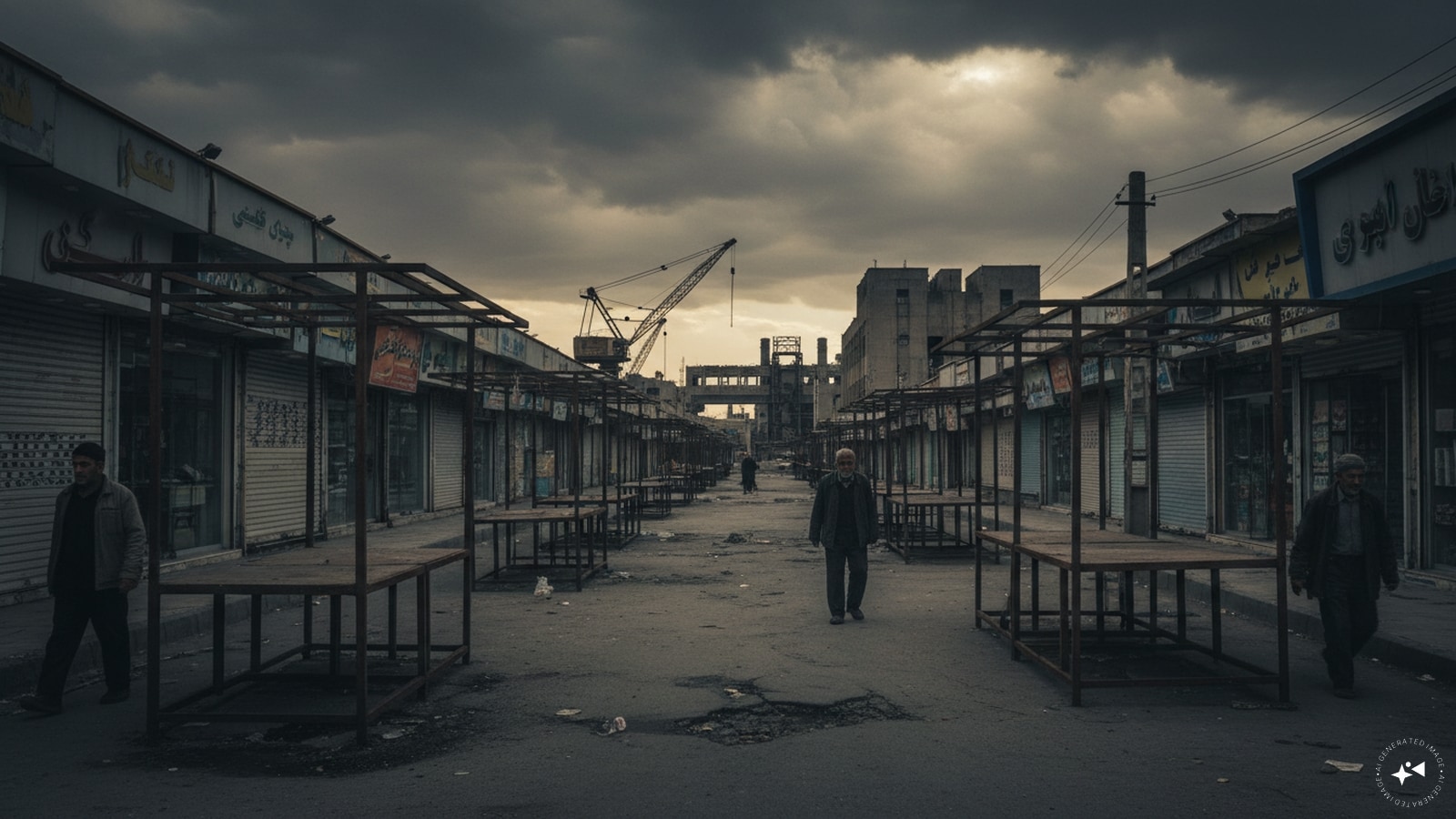
The human cost of this economic squeeze is visible on every street corner in Tehran. The Iranian rial has depreciated to historic lows, trading past 2.2 million to the US dollar. A year ago, that figure sat closer to 1 million. Basic survival has replaced long-term planning for ordinary citizens.
Inflation has completely detached from reality. Prices for essential foodstuffs have skyrocketed to staggering degrees. Vegetable oil, eggs, poultry, and red meat have seen triple-digit percentage spikes over the past year. Local demand for red meat dropped by half as families cut back on basic nutrition just to make ends meet. Medical supplies are scarce, forcing people onto hidden markets to find life-saving drugs.
The regime tries to spin this domestic hardship as patriotic resistance against foreign aggression. Officials urge citizens to consume less petrol and cut back on travel, framing economic scarcity as a battlefield duty. But blaming patriotism doesn't fill gas tanks or put food on tables.
The Disruption of Smuggling Networks
Sanctions only work if you can't evade them. Historically, Iran relied heavily on regional hubs to clear dollar transactions and wash oil revenue. The United Arab Emirates served as a primary conduit for this trade. That pipeline slammed shut when regional commercial exchanges and financial dealings with Tehran were officially halted.
Without these conduits, the cost of maintaining front operations has skyrocketed. Smuggling requires deep pockets and high premiums to pay off intermediaries who are increasingly unwilling to take the risk. As the financial squeeze tightens inside Iran, the government has less cash available to pay those heavy bribes and shipping markups. It is a vicious feedback loop. The less money the state makes, the harder it is to dodge the very sanctions keeping them broke.
President Masoud Pezeshkian and other top officials have openly acknowledged that total trade has dropped by up to 35%, with imports taking a punishing hit. Compounding the crisis is a severe domestic refining deficit. Despite sitting on vast oil reserves, Iran has to import gasoline, and current stockpiles are dangerously low, leaving the nation vulnerable to complete paralysis.
What Comes Next for the Regime
Tehran faces an ugly set of choices. Continuing down the path of military confrontation risks total economic collapse. Yet conceding to Washington's demands means abandoning decades of ideological posturing.
The regime is acutely aware of the ghosts of past uprisings. The severe economic pain threatening the population carries the constant danger of reigniting the massive protests that shook the country. When survival becomes a daily struggle for millions of people, the tolerance for ideological governance wears thin. Washington's strategy relies on this internal pressure cooker reaching critical mass. For now, the blockade holds, the currency sinks, and the walls close in tighter around Tehran's leadership.