For the first time in history, the US diesel crack spread has punched past one hundred dollars a barrel. Let that number sink in. While headlines obsess over crude oil futures bouncing around in a narrow band, the real crisis is happening inside the refinery.
If you run a logistics company, a trucking fleet, or even an e-commerce warehouse, you're already feeling the pinch. If you don't understand why this is happening, you're going to get caught flat-footed.
The Myth of the Crude Oil Benchmark
Everyone watches Brent and WTI. It is a massive mistake. Crude prices tell you very little about what it actually costs to move goods across the country.
The crack spread measures the difference between crude oil and the refined products pumped out of a cracker. When that spread blows past one hundred dollars, it means the world is desperately short on finished fuel, not necessarily the raw liquid sitting in underground caverns.
Wall Street desks at Goldman Sachs and Bank of America have spent weeks warning about a severe structural fracture. They aren't wrong. Three of the four major global refining hubs are malfunctioning at the exact same time.
Why Three Global Refining Hubs Broke Down Simultaneously
To understand why U.S. diesel is commanding a historic premium, you have to look at what happened to international supply lines. It is an absolute mess.
First, look at the Middle East. The ongoing crisis in the Strait of Hormuz has choked off maritime traffic. Tanker flows are a fraction of what they used to be, and localized military friction—such as strikes near key infrastructure like Saudi Arabia's Jazan facility—has taken massive export volumes offline.
Second, look at Russia. Sustained drone strikes targeting domestic energy infrastructure have crippled Russian refining capacity. Moscow responded by slapping strict bans on diesel exports to protect its own internal supplies. That took millions of barrels out of the global pool overnight.
Third, look at China. Domestic economic shifts and strict internal export controls mean Beijing isn't bailing out Asian or Western markets. Crude imports into China dropped sharply compared to historical averages, choking the feedstock needed to run regional processing units at scale.
That leaves the United States standing alone. America has become the world's primary functional gas station, and everyone is lining up at our pumps.
The Drain on Domestic Inventories
Being the world's bailout option sounds great on paper, but it is brutally painful for domestic stockpiles.
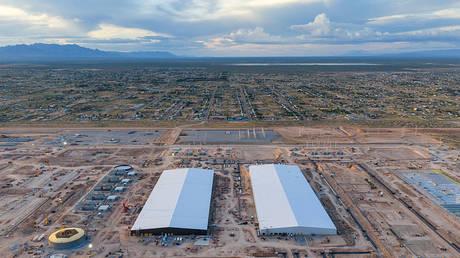
U.S. refineries are running hot. Utilization rates are near maximum capacity because a one-hundred-dollar crack spread is an irresistible siren song for refiners. They are pumping out as much distillate as physically possible.
Yet, international buyers are outbidding domestic consumers, pulling massive volumes of U.S. diesel across the Atlantic and the Pacific. Global observable inventories have plunged well below five-year lows. When inventories drop this low, the system loses its shock absorber. Any minor hiccup—a hurricane in the Gulf of Mexico, an unplanned fluid catalytic cracker shutdown, or a sudden cold snap—can send spot prices vertical.
What This Means for Your Bottom Line
Stop waiting for prices to normalize next month. They won't.
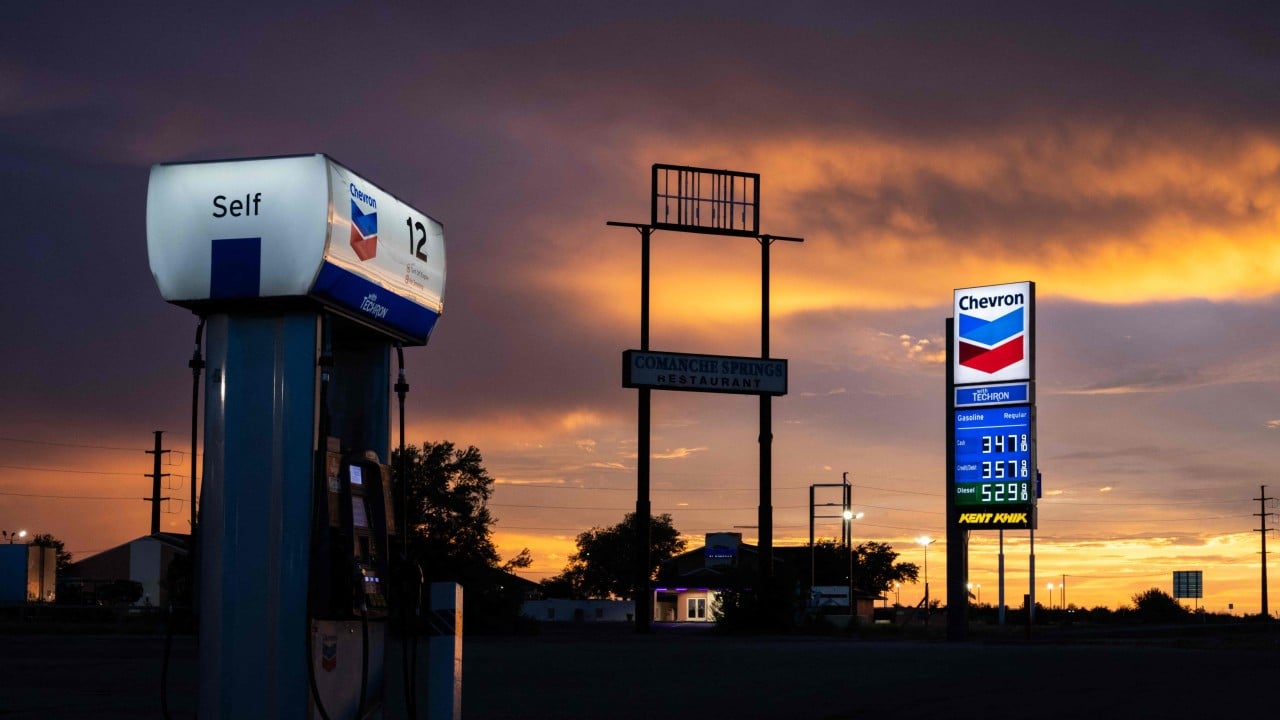
When diesel hits these stratospheric levels, the downstream costs ripple through the entire economy within weeks. Freight rates will climb. Retail goods will absorb the transit penalty. Agriculture operations facing heavy machinery costs during harvest season will pass those expenses directly to grocery buyers.
If you manage supply chain operations, you need to change your playbook right now.
- Lock in fuel surcharges immediately. Do not absorb floating fuel costs on long-term contracts. Pass the volatility directly to the end customer or risk insolvency.
- Audit your transit routes. Route optimization matters more than ever. Eliminating unnecessary idle time and excess mileage saves thousands of dollars per vehicle when fuel is this expensive.
- Keep a closer eye on buffer stock. Relying on just-in-time delivery models while regional inventories sit at multi-year lows is a massive operational risk.
The structural deficit in global refining isn't getting fixed by a diplomatic breakthrough tomorrow. Refineries take years to build and months to repair. Until those shuttered international hubs come back online, high diesel prices are our new reality.
Adjust your budgets, secure your supply lines, and stop assuming cheap fuel is just around the corner.