The United Arab Emirates officially walked away from OPEC and the broader OPEC+ alliance, ending a membership that dated back to 1967. Naturally, the geopolitical rumor mill went into overdrive. When the third-largest producer in an oil cartel packs its bags during an active regional energy crisis triggered by the Iran war, people assume there is serious backroom drama.
But Abu Dhabi wants everyone to take a deep breath and look at the math.
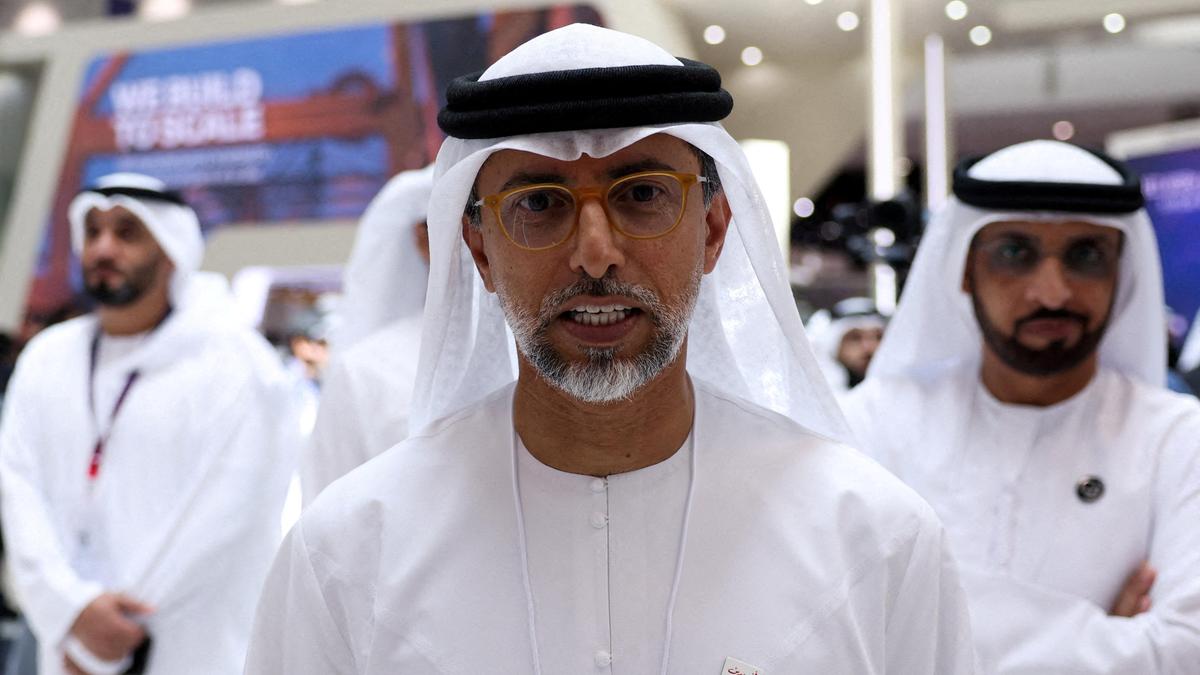
UAE Energy Minister Suhail Al Mazrouei took to social media to clarify that the decision was a sovereign, strategic choice based purely on domestic economic planning and production capabilities. He explicitly stated that the move was not driven by political considerations, nor did it reflect any bad blood or division with its long-term Gulf partners.
Honestly, it is hard to blame the skeptics for looking for a political angle. The timing looks tense. Yet, if you look at how much cash the UAE has pumped into its oil infrastructure over the last decade, this exit becomes entirely logical. It is not a sudden political tantrum. It is a calculated business move that has been brewing for years.
The Cap on Growth That Triggered the Exit
The real issue boils down to a massive mismatch between OPEC quotas and the UAE's actual capacity to pump crude.
For years, Abu Dhabi has been investing heavily to ramp up its production power. The state-owned Abu Dhabi National Oil Company (ADNOC) has spent tens of billions of dollars to push its maximum production capacity toward 5 million barrels per day (bpd).
Under OPEC rules, you don't get to use the capacity you build. The group assigns strict production caps to keep global prices high. For a country like Saudi Arabia, which holds massive spare capacity as a policy cushion, this setup works. But for the UAE, it meant sitting on billions of dollars of expensive, idle infrastructure while keeping hundreds of thousands of barrels of oil underground every single day.
When you spend that kind of cash to expand your industrial footprint, you want to actually use it. Leaving the alliance gives the UAE the immediate flexibility to utilize its energy assets fully, strengthen its national development, and dictate its own investment timelines without waiting for a consensus vote in Vienna.
The Hidden Math Behind the OPEC Loss
When Qatar walked out of OPEC back in 2019, the group brushed it off because Qatar was primarily a liquefied natural gas (LNG) player rather than a crude giant. The UAE departure is a completely different beast.
Losing the UAE wipes out roughly 15% of OPEC's total production capacity in one go. That shrinks the group down to just 11 members and fundamentally alters the balance of power in global energy markets.
Consider how the math shifts.
- Market Share Concentration: Saudi Arabia now bears an even heavier burden to maintain group cohesion and enforce compliance among the remaining, smaller producers.
- The Quota Battleground: Independent African producers have already pushed back against quota cuts recently. Losing a heavy hitter like the UAE means Saudi Arabia has fewer allies to share the load when the market needs artificial supply constraints.
- Global Compliance: With Abu Dhabi operating as an independent agent, any future OPEC production cuts risk being neutralized if the UAE decides to ramp up its own exports to capture market share.
This isn't just a minor administrative shift. It structurally weakens the cartel's ability to shock the market by tightening the taps.
Reading Between the Lines of Gulf Diplomacy
While Minister Al Mazrouei is busy smoothing over the diplomatic edges, it's impossible to ignore the growing divergence in economic philosophies between Abu Dhabi and Riyadh.
Saudi Arabia is laser-focused on keeping oil prices high enough to fund its massive Vision 2030 giga-projects. To do that, the Saudis need high prices today, even if it means cutting production. The UAE has a different clock ticking. They see a global energy transition coming over the next few decades and want to monetize their reserves as fast as possible before long-term demand peaks.
This creates a fundamental strategic divide. The UAE wants to sell more volume at slightly lower prices, while Saudi Arabia prefers selling lower volume at higher prices.
Despite the diplomatic assurances that relations remain steady, this exit highlights a genuine policy rift between the two biggest economies in the Gulf. It's a pragmatic disagreement over how to handle the final chapters of the global fossil fuel era.
What Happens Next to Your Energy Bill
Traders and corporate buyers shouldn't expect the UAE to flood the market overnight and crash oil prices. Abu Dhabi has spent decades building a reputation as a stable, predictable energy supplier, and they aren't going to compromise that for a quick win.
Instead, expect a gradual, measured ramp-up in ADNOC’s export volumes. The real impact will hit during the next global economic slowdown. If global demand slumps later in 2026 and OPEC attempts to orchestrate a massive coordinated cut to prop up prices, the UAE won't be bound by those restrictions. They will be free to maintain their output, protect their market share, and keep their state revenues steady.
For businesses hedging energy costs, the takeaway is clear. The era of OPEC perfectly controlling global oil supply is fracturing. You need to prepare for a more fragmented market where individual state priorities trump cartel unity. Keep a close eye on the UAE's actual monthly export data over the next two quarters rather than the rhetoric coming out of official press releases. That data will tell you exactly how fast Abu Dhabi plans to unleash its spare capacity.