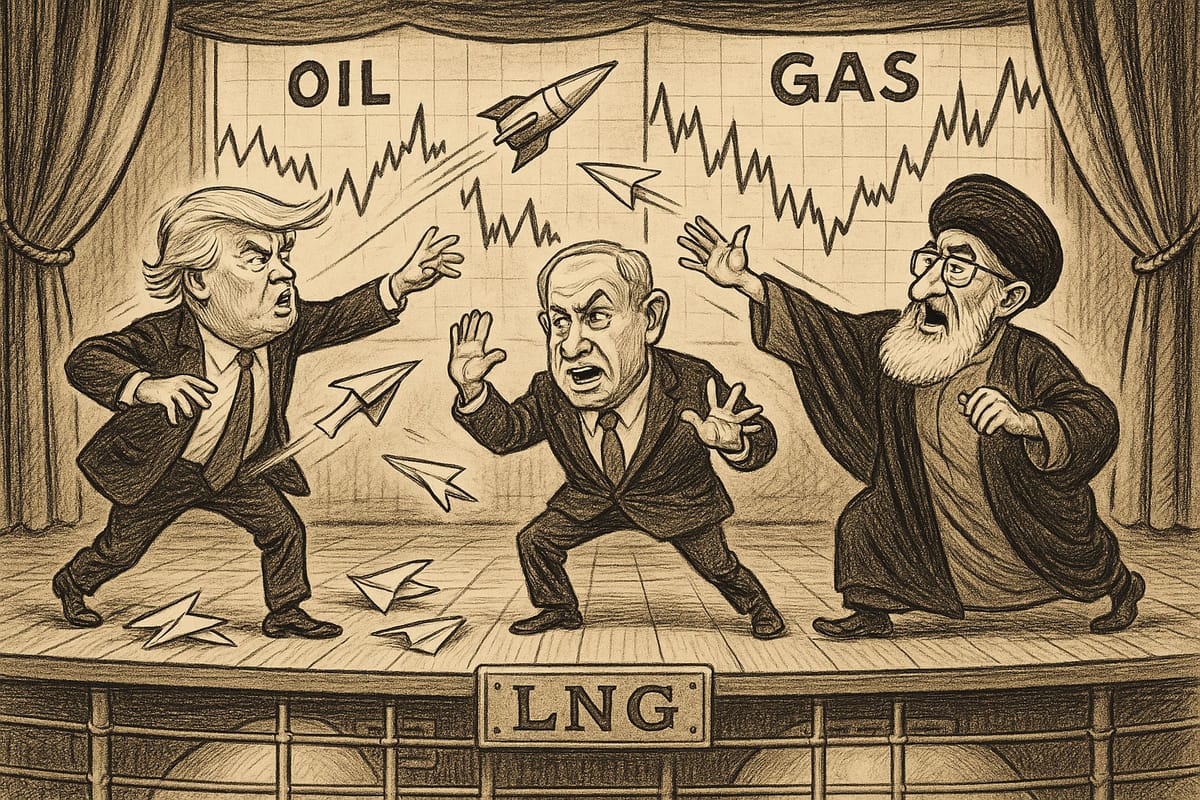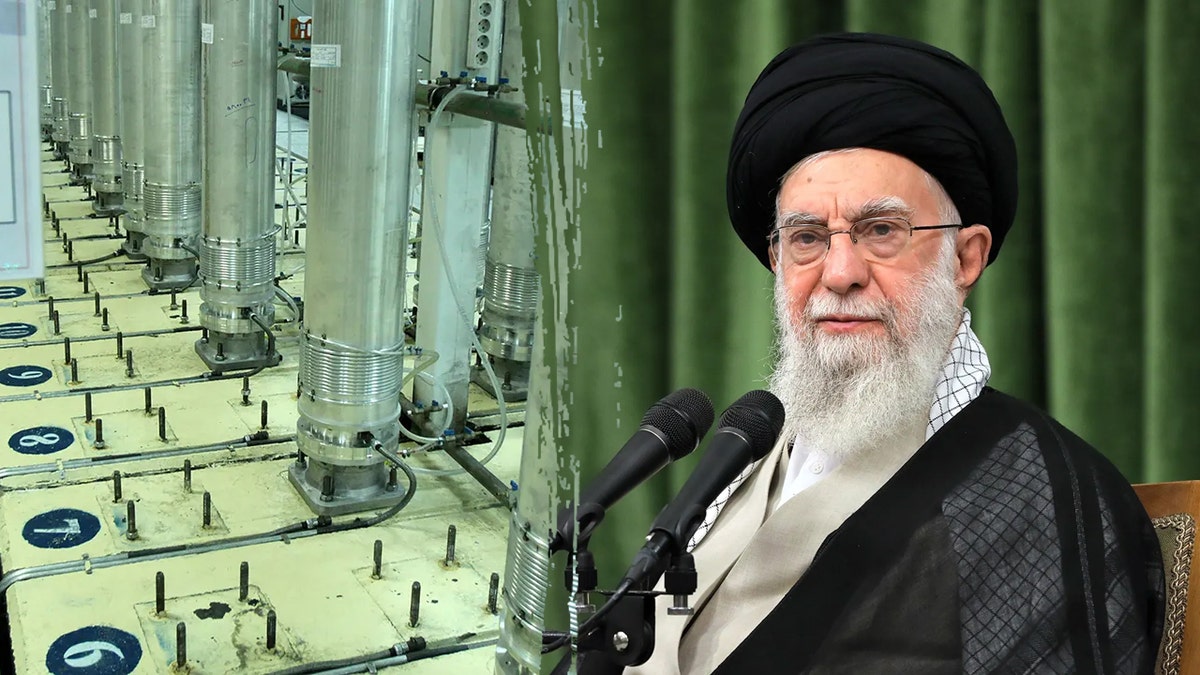
Donald Trump just hit the brakes on a massive military escalation. After threatening to "obliterate" Iran’s power plants and energy hubs, he’s pushed the deadline back. Again. This time, he’s giving Tehran a 10-day window to play ball before the missiles start flying toward their grid. The new date is April 6, 2026, at 8:00 PM Eastern Time.
It’s a classic move from the Trump playbook. He’s oscillating between "fire and fury" rhetoric and the "art of the deal" diplomacy. On one hand, you’ve got the threat of turning out the lights for millions of Iranians. On the other, you’ve got a president claiming that talks are going "very well" and that he’s being a "nice guy" by giving them more time than they even asked for. Recently making news in this space: Finland Is Not Keeping Calm And The West Is Misreading The Silence.
The shipping present that bought 10 days
What changed? According to Trump, it wasn't just a polite request from the Iranian government. It was a "present." Specifically, a fleet of eight oil tankers.
Tehran reportedly allowed these tankers to pass through the Strait of Hormuz—the world’s most sensitive oil chokepoint—without harassment. In the high-stakes world of Middle Eastern brinkmanship, that’s a massive signal. Trump told Fox News that the Iranians asked for seven days to iron out details. He decided to one-up them. Additional insights on this are covered by The New York Times.
"They asked for seven, and I gave them ten," he said. Why? Because of the ships. It’s a transaction. You give me safe passage for oil, I give you 240 more hours of electricity.
This isn't just about being generous. It’s about the global economy. Every time a missile moves near the Strait, oil prices spike. Wall Street has been a mess lately, with the Nasdaq falling into a correction and the Dow seeing its worst month in years. Trump knows he can't win a "beautiful" trade war or maintain a record-breaking stock market if gas hits $7 a gallon because of a fire at an Iranian refinery.
What’s actually on the table
While Trump talks about "very good and productive conversations," the reality on the ground is grimmer. This war, which kicked off in late February 2026, has already seen Israeli and U.S. strikes hit fuel depots and gas fields like South Pars.
The U.S. side, led by envoy Steve Witkoff, has reportedly handed over a 15-point proposal. We don't have the full list yet, but it’s safe to say it involves:
- Permanently reopening the Strait of Hormuz.
- Ending drone and missile exports.
- A "complete and total resolution" of hostilities.
Tehran isn't just nodding along. Their state media is calling the U.S. offer "one-sided and unfair." They’ve fired back with their own demands, including war reparations and a guarantee that their sovereignty over the Strait is respected. Basically, they want the U.S. and Israel to stop the bombing and pay for the damage already done before they sign anything.
The risk of hitting the grid
There’s a reason people are nervous about these specific targets. We’re not talking about remote mountain bases. We’re talking about the infrastructure that keeps hospitals running and water pumps moving.
Amnesty International and other groups are already sounding the alarm. Earlier this month, strikes on oil depots in Tehran reportedly caused "black rain"—a toxic mix of soot and chemicals falling from the sky. If Trump follows through and hits the "biggest power plant first" as he threatened, the humanitarian fallout would be staggering.
Iran has already promised to hit back at regional energy sites in Saudi Arabia, the UAE, and Qatar. It’s a game of "if we go dark, everyone goes dark." That’s the leverage Tehran is using, and it’s likely why we’re seeing these rolling deadlines instead of a full-scale blackout.
Why the April 6 deadline matters
This isn't the first extension. We went from a 48-hour ultimatum to a five-day pause, and now this 10-day window. Each delay tells us two things. First, neither side actually wants the "total war" scenario. Second, the backchannel through Pakistan and Turkey is working overtime.
If you're watching the markets or the news, don't expect a quiet week. Trump is using this time to squeeze every possible concession out of the Iranian leadership while they’re staring at a countdown clock. It's high-pressure salesmanship applied to international security.
If April 6 rolls around and the Strait isn't fully "open without threat," the pause ends. For now, the lights stay on in Tehran, and the oil keeps moving through the channel.
Keep an eye on the tankers. If more of those "presents" show up in the Strait, we might see another extension. If the rhetoric sharpens and the ships stop moving, that 10-day window will feel very short. Watch for updates on the specific 15 points of the U.S. proposal, as any leak there will reveal how close we actually are to a deal.