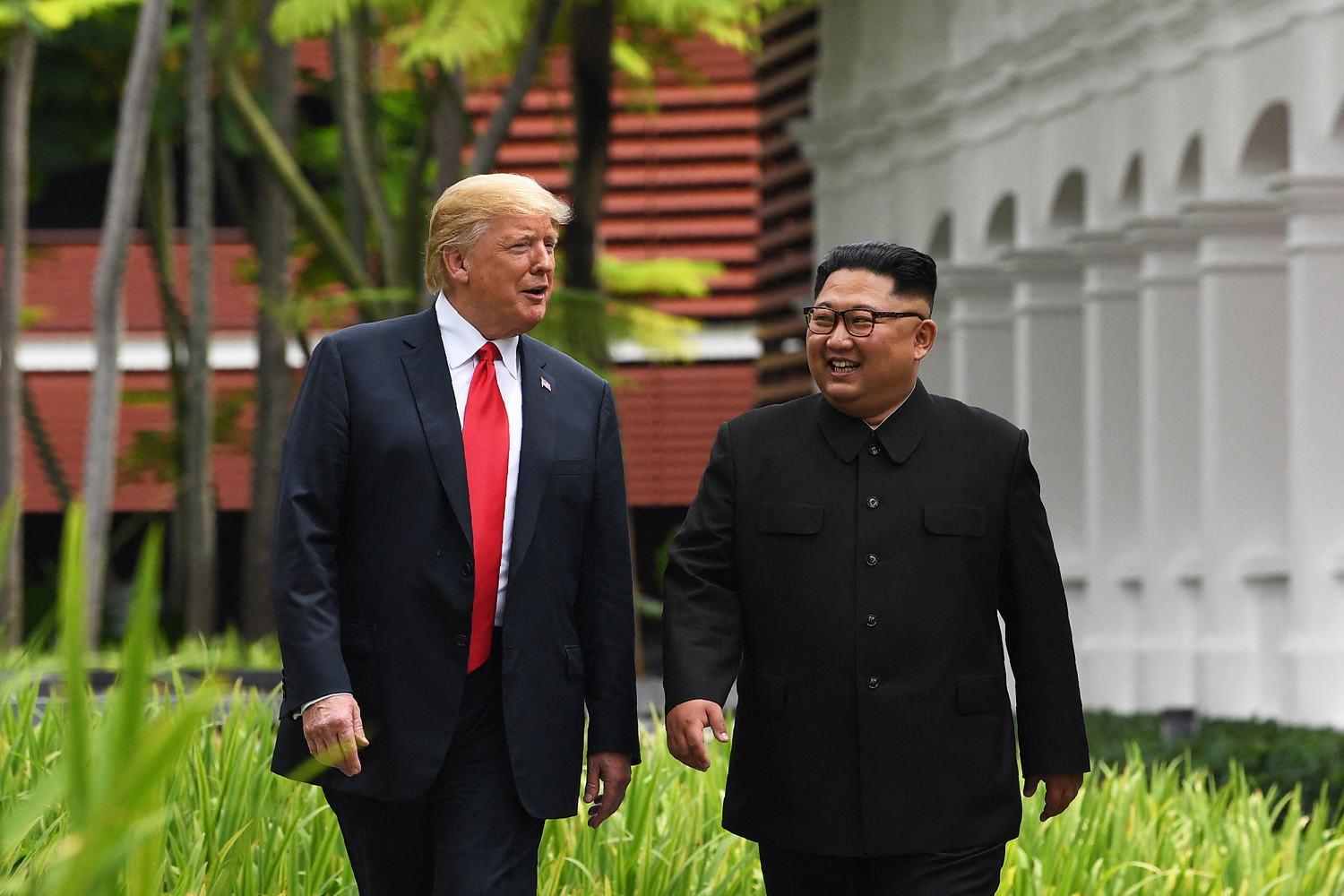
Every mainstream outlet is rushing to declare that Donald Trump and Canadian Prime Minister Mark Carney have engineered a diplomatic miracle. The lazy consensus claims that a last-minute three-day pause on crippling fifty percent levies means cooler heads are prevailing.
They are missing the entire plot.
This isn't a breakthrough. It is a slow-motion shakedown disguised as a trade negotiation. If you think a temporary stay on Section 338 penalties signals a return to predictable North American commerce, you are watching the wrong movie. I have spent decades watching corporations and sovereign states panic over artificial political deadlines, and the script is always the same. What we are witnessing right now is not the birth of a grand compromise. It is the institutionalization of economic coercion.
The Myth of the Negotiated Truce
The headlines treat the Times of India report and the CBS News coverage as proof that bilateral diplomacy still functions. That perspective assumes both sides are playing the same game with the same set of rules. They are not.
Washington is operating under a transactional model where baseline trade deficits are treated as personal insults, weaponizing arbitrary administrative tools like the Tariff Act of 1930 to extract structural concessions. Ottawa, led by Carney, is forced into emergency damage control, trying to protect an export-dependent economy where roughly seventy percent of its goods cross an increasingly hostile southern border.
When Trump announces a "DEAL" on social media while Carney’s office carefully notes that "substantial progress has been made, although there is important work still to be done", that glaring rhetorical mismatch tells you everything you need to know. One side is declaring victory to satisfy domestic optics; the other is sweating out the fine print of an asymmetric surrender.
Imagine a scenario where a landlord locks you out of your apartment, demands a fifty percent rent hike, and then graciously offers a three-day grace period while you hand over the deed to your car. Would you call that a negotiated compromise? Of course not. You would call it extortion. Yet financial pundits look at the exact same dynamic between sovereign neighbors and call it statesmanship.
The Structural Trap No One Is Talking About
The underlying friction points—American grievances over dairy quotas, government procurement, and digital trade alignment—cannot be resolved in a rolling seventy-two-hour window. They are structural incompatibilities baked into two distinct economic systems.
The White House wants complete market access for agricultural goods and security commitments that essentially turn Canadian economic policy into an extension of American industrial strategy. Meanwhile, Canadian auto and manufacturing sectors are staring down profit margins that cannot absorb even single-digit levies, let alone the apocalyptic fifty percent threat hanging over twenty billion dollars worth of exports.
According to analyses from outfits like the Financial Times reporting, the threat itself is the primary policy mechanism. You do not need to collect fifty percent tariffs if the mere threat of collecting them forces your trading partner to dismantle their own protective quotas and greenlight controversial infrastructure projects like the Keystone XL pipeline.
Stop Waiting for Certainty
The fatal flaw in how corporate leaders analyze these trade wars is the assumption that stability is just around the corner. Business lobbies wring their hands, waiting for final documentation to sign off on a predictable future.
That future is dead.
Volatility is no longer a bug in North American trade relations; it is the core feature. Relying on a rules-based international order to govern cross-border commerce in this environment is like using a compass in a hurricane. The rules have been permanently subordinated to raw geopolitical leverage.
If your supply chain strategy depends on the permanence of a CUSMA framework or the smooth execution of cross-border manufacturing without political interference, you are building your house on an active fault line. The only rational response to permanent unpredictability is radical operational flexibility. Stop lobbying for stability that isn't coming. Build margins that can absorb sudden policy shocks, diversify your markets away from single-destination dependency, and treat every temporary trade truce for what it actually is: a brief intermission before the next shakedown.