Civil unrest changes
Why Traveling to France Right Now Means Paying Close Attention to Safety Advisories
news
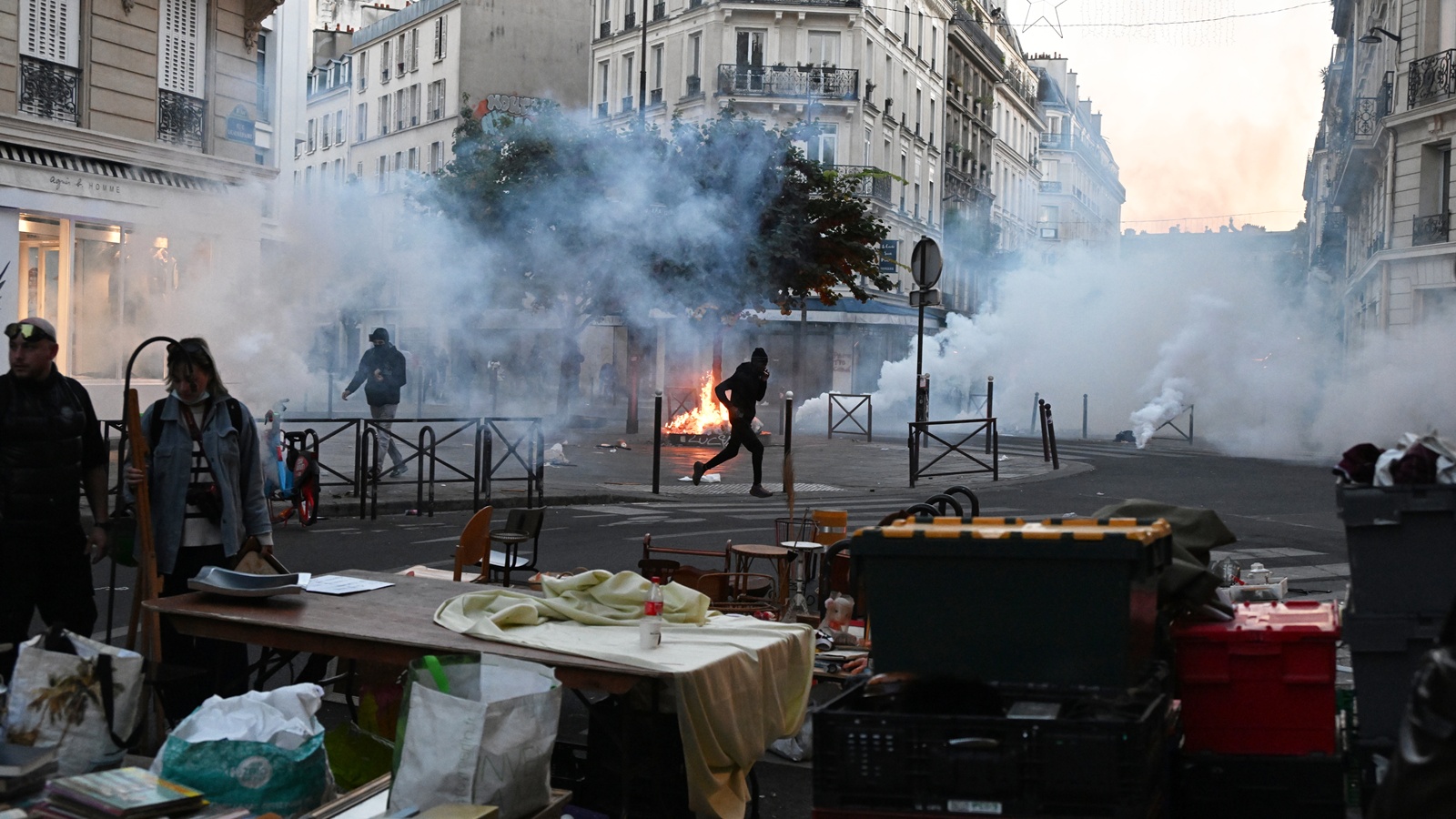
Civil unrest in another country changes your travel plans overnight. One day you're mapping out café stops in Paris, and the next you're scrambling to check embassy alerts. When the Indian embassy recently issued a strict safety advisory urging nationals in France to remain extremely vigilant amid ongoing protests, it wasn't just standard bureaucratic caution. It was a wake-up call.
Protests in major European hubs rarely stay contained to designated zones. They spill into transit stations, block major roadways, and disrupt daily life instantly. If you're currently in France or heading there soon, treating these advisories as background noise is a massive mistake. Let's break down what's actually happening, why these advisories matter, and how to keep your trip from turning into a logistical nightmare.
Understanding the Ground Reality in France
France has a long history of public demonstrations. When citizens take to the streets over economic policies, pension reforms, or labor laws, things escalate quickly. What starts as a peaceful march often transforms into transit strikes, transit closures, and clashes with law enforcement.
The Indian embassy's warning isn't meant to cause panic. It's designed to keep tourists and expatriates out of the crossfire. Public transportation networks like the Metro and regional rail lines face sudden shutdowns. Flights get delayed because airport staff join picket lines. If you rely on rigid schedules while traveling through a protest zone, you're setting yourself up for stranded hours at a station with no working Wi-Fi and blocked exits.
Practical Steps to Stay Safe During Civil Unrest
Ignoring local tension because you paid for non-refundable hotel rooms won't protect you. Smart travelers adapt fast.
First, register with your home country's embassy or consulate before you leave. If you are an Indian national traveling abroad, keeping tabs on the official social media channels of the Embassy of India in Paris provides real-time updates that local news might miss or report too late.
Second, map out your daily routes carefully. Avoid government buildings, major squares, and transit hubs where crowds gather. If you see a crowd forming, don't pull out your phone to film it from the front row. Move in the opposite direction immediately. Pickpocketing and opportunistic crime spike during chaotic protests because police resources are stretched thin.
Keep your documents secure. Carry physical copies of your passport and visa, and keep the originals locked in your hotel safe. Have offline maps downloaded on your phone because cellular networks can get overloaded or jammed when thousands of people congregate in one area.
What Most Travelers Get Wrong About Foreign Protests
Many tourists assume that tourist districts remain entirely immune to civil unrest. That is flat-out false. Famous landmarks, luxury shopping streets, and central plazas often serve as the main backdrops for demonstrations precisely because they attract maximum attention.
Another common error is relying entirely on hotel staff for security updates. While front-desk workers are helpful, they manage dozens of guests and might not track rapidly shifting transit strikes or localized flare-ups. Cross-reference local transit apps with official municipal updates.
Stay alert, keep your schedule flexible, and respect local warnings. A canceled museum visit is annoying, but getting caught in a volatile street clash ruins more than just an afternoon. Keep your wits about you, watch your surroundings, and prioritize getting back to your accommodation before evening falls.