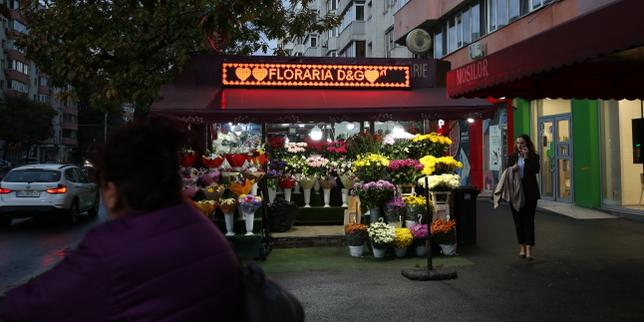
Walk down almost any busy boulevard in Romania's capital and you'll spot them. Tiny glass-and-metal kiosks overflowing with roses, carnations, and wrapped bouquets, staffed late into the night by women who know every regular on the block. For generations, Roma flower sellers in Bucharest have kept a distinct street trade alive, yet rising real estate costs, changing shopping habits, and urban redevelopment are squeezing small neighborhood kiosks out of the picture.
Most casual visitors treat those corner flower shops as charming local color. Honestly, that misses the point. Behind every bucket of stems sits decades of family negotiation, dawn wholesale runs, and a social history that stretches back to itinerant traders in nineteenth-century Bucharest. If you care about how real cities stay distinctive instead of turning into copy-paste chains, this trade is worth paying attention to.
How Roma Flower Sellers Shaped Bucharest Streets
Flowers aren't a casual impulse buy in Romania the way they sometimes are in North America. People bring bouquets to name days, family dinners, graduations, memorials, and late-night apologies. That steady everyday demand helped turn street flower selling into a recognized craft and family livelihood, particularly among Roma communities often referred to in historical accounts and municipal histories as boldeni.
Historical summaries from the Municipality of Bucharest trace roots back to the nineteenth century, when itinerant traders carried baskets through old neighborhoods and gathered early around hubs like Saint Anton and Unirii Square. Over time, informal sidewalk selling shifted toward established stalls, kiosks, and wholesale supply networks. A 1999 government note cited in a documentation review by the Immigration and Refugee Board of Canada described Bucharest's flower-selling Roma community as economically active and cohesive compared with many other marginalized groups, while also noting persistent broader discrimination faced by Roma people in Romania.
That tension is real and shouldn't be glossed over. Having a visible, legal trade gave many families stability and pride, especially when other doors stayed shut. At the same time, visibility didn't erase prejudice. Visitors walking heritage routes around Bucharest's Old Town and neighborhoods like Tei or Colentina often hear how Roma history in Romania spans medieval bondage, assimilation pressures under communism, and modern economic hurdles—even as flower kiosks remain a familiar daily fixture.
From Wicker Baskets to Glass Kiosks
Picture the shift from morning baskets to fixed booths. Early street traders relied on foot traffic, quick banter, and personal relationships with growers. As Bucharest expanded—first in the interwar years and later across socialist and post-1989 eras—stationary kiosks and market stalls became practical bases for storing buckets, wrapping paper, and ribbons.
What didn't change was the rhythm of the work. The day starts early with sourcing fresh stems and prepping arrangements, then stretches late because people buy flowers after work, after dinner, or on the way to a gathering. When a shop stays lit at 10:30 p.m., it isn't just selling petals. It's providing convenience that modern nine-to-five retail rarely bothers with.
Why This Tradition Feels Threatened Right Now
Traditions rarely vanish overnight with a single dramatic event. Usually they erode piece by piece—a lease renewal that doubles, a sidewalk redesign, a younger relative picking a different career, or shoppers ordering through a phone screen instead of stopping by.
Let's look closely at the pressures hitting small Bucharest flower kiosks:
- Rising urban rents and permit friction: Prime pedestrian corners attract higher commercial rents and stricter municipal rules on sidewalk footprints, signage, and kiosk placement. A tiny booth has thin margins to absorb sudden cost jumps.
- Shifting retail competition: Modern florists, boutique studios, and delivery apps compete on polished branding, curated online catalogs, and door-to-door couriers. Traditional kiosks win on immediacy and price-per-stem, not Instagram staging.
- Generational choices: Running a kiosk takes long hours on your feet, seasonal cash-flow swings, and constant stock management. Even when family businesses pass down, younger relatives weigh office jobs, tech, or trades with steadier schedules.
- Perishable shrinkage: Cut flowers don't wait around. Unsold stems lose value fast, meaning a slow rainy week or a sudden price spike at wholesale hits harder than it would in dry goods.
Here's a nuance worth noting: data on exact kiosk counts or profit margins across every Bucharest district isn't neatly centralized in one public ledger. Street-level accounts vary wildly depending on whether a vendor owns or leases a spot, buys direct in bulk, or works high-foot-traffic intersections versus quiet residential streets. Claiming a single citywide percentage of closures would be guesswork, so I won't pretend otherwise.
What Gets Lost If Corner Kiosks Shrink
If neighborhood kiosks keep giving way to delivery-only shops or chain storefronts, Bucharest loses more than cheap carnations. You lose spontaneous human contact. A quick chat about which flowers last longest in a warm apartment, a custom wrap put together in five minutes, or a neighbor who recognizes you after two visits—none of that scales cleanly inside an app.
There's also a cultural blind spot in how cities talk about "heritage." Officials and guidebooks love monuments, statues, and painted facades. Living street trades are messier to package, yet they're often what make a city feel alive rather than frozen in time.
Common Myths About Bucharest's Flower Trade
When people talk about street flower vendors in any big city, myths pop up fast. A few deserve pushback.
First, not every flower shop in Bucharest is run the same way, and assuming every bouquet comes from one uniform clan oversimplifies a varied market. While Roma families have a well-documented historical presence and ongoing role in the trade, Bucharest's broader floral scene also includes modern studios, wholesale importers, and independent sellers.
Second, "traditional" doesn't automatically mean stuck in the past. Plenty of vendors adapt—stocking trendy wraps, seasonal blooms, or event orders—while keeping their neighborhood roots intact. Treating traditional sellers as relics misses how practical adaptation works on the ground.
Third, romanticizing street trade shouldn't mean ignoring hard labor. Hauling heavy buckets, trimming thorns, standing in cold weather, and managing spoilage is grueling work. Respecting the craft means seeing the grit alongside the color.
How to Support Local Florists Without Being Cliché
If you're visiting Bucharest—or living there and wanting to back independent neighborhood shops—you don't need a grand gesture. Small, practical habits go a long way.
- Buy directly from neighborhood kiosks for everyday occasions: Skip generic last-minute grabs when you're heading to a birthday or dinner, and pick up stems at a local booth where you can see freshness up close.
- Ask how to care for the stems: A quick question about trimming angles, water changes, or keeping blooms away from direct sun and fruit bowls shows genuine interest and helps you get better value out of your bouquet.
- Carry small cash alongside card checks: Smaller street vendors often prefer cash or straightforward local payment methods; having small bills handy keeps transactions smooth during busy rushes.
- Join heritage walks that center local voices: If you take a historical or cultural tour, look for guides who discuss Roma history and urban trades with nuance rather than sensationalism or stereotypes.
The next time you pass a glowing flower kiosk on a Bucharest sidewalk, slow down for thirty seconds. Look at the buckets on the pavement, listen to the street hum around it, and remember that a simple bouquet can carry a whole city's history in your hand.