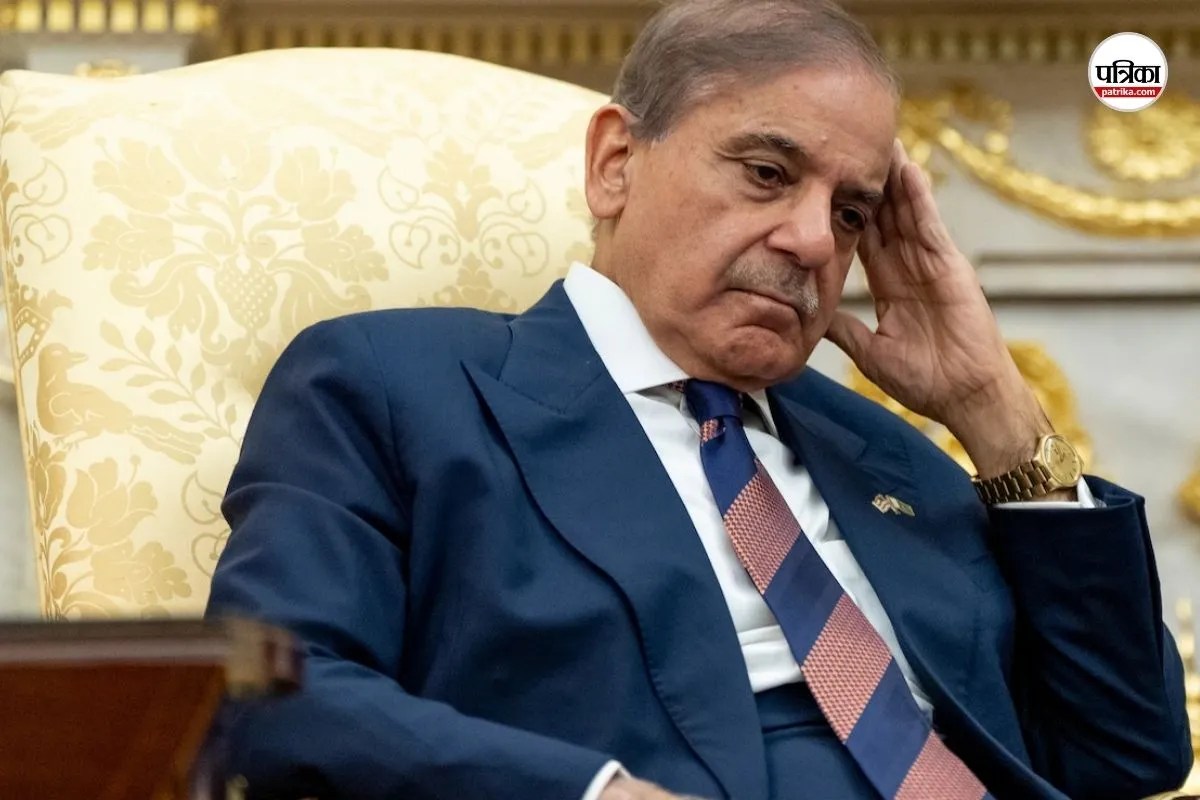
The diplomatic theater between Islamabad and Tehran is not a negotiation. It is a choreographed ritual of mutual avoidance. When Shahbaz Sharif picks up the phone to call Masoud Pezeshkian, analysts start salivating over the prospect of "reconciliation" or "Talks 2.0." They are fundamentally misreading the script. These are not statecraft exercises; they are survival signaling.
Stop looking for a breakthrough. There is none coming.
The lazy consensus suggests that these two nations are on a path toward improved bilateral security or economic integration. That is a fantasy grounded in the belief that shared borders dictate shared interests. They do not. Iran and Pakistan are locked in a structural impasse where the absence of a formal crisis is the only metric for success.
The Myth Of Strategic Alignment
The narrative spun by the mainstream suggests that if Tehran and Islamabad just communicated more—if they had better "hotlines"—they would solve the Balochistan instability. This is absurd. The instability in the border regions isn't a bug in the system; it is the feature.
Both states view the unrest in that geography through the prism of their own internal vulnerabilities. For Iran, the Sunni-majority regions near the Pakistani border are a permanent, twitchy nerve ending. For Pakistan, the same region is a theater for geopolitical posturing where they must balance Chinese investment with the reality of Iranian intelligence meddling.
When Sharif calls Pezeshkian, they aren't discussing regional peace. They are trading assurances that neither will allow their territory to be used by a third party to actively topple the other’s regime. It is a cold, transactional exchange of "I won't burn your house if you don't light the match near mine."
Why Diplomacy Is A Performance Art
I have watched enough "high-level" diplomatic engagements turn into glorified press releases to know when a meeting is meant to solve a problem and when it is meant to kill time.
Imagine a scenario where the two nations actually signed a binding, transparent border security pact. It would require real-time intelligence sharing, the ceding of some sovereignty over border movements, and an admission that both states have effectively lost control over their periphery. Neither military establishment in Rawalpindi or the IRGC in Tehran can afford that admission. It makes them look weak to their respective hardliners.
Therefore, the phone calls continue. They serve the purpose of telling the international community—and specifically Beijing, which hates volatility in its supply chains—that "everything is under control."
The "Talks 2.0" label is a media hallucination. It implies that "Talks 1.0" resulted in progress. Review the history. Since the escalation in early 2024, the situation on the ground hasn't improved; it has simply transitioned from overt cross-border strikes to a more quiet, grinding proxy friction. That is not a diplomatic victory. It is a stalemate masquerading as stability.
The Real Power Dynamics
Let’s be precise about the constraints. Pakistan is currently paralyzed by its own internal economic and political turbulence. They lack the leverage to demand much from Iran, and they certainly lack the capacity to project significant power into Iran.
Tehran, conversely, is playing a multi-front game. They have no incentive to stabilize the Pakistani border at the expense of their regional influence network. If keeping the border porous or agitated gives them a card to play against potential Western influence in the region, they will keep that card in their back pocket.
The common misconception is that these nations have an incentive to solve their problems. They don’t. They have an incentive to manage them until they become someone else’s problem.
The Illusion Of The Phone Call
When an official readout says "the leaders discussed regional security," translated from diplomatic-speak into reality, it means: "We exchanged pleasantries so we don't have to explain to our patrons why our borders are bleeding."
Don't mistake bureaucratic noise for strategic movement. The architecture of the relationship remains defined by deep-seated distrust. Pakistan suspects Iran of aiding separatists; Iran suspects Pakistan of acting as a staging ground for regional adversaries. One phone call does not undo decades of intelligence agency paranoia.
If you are a policy analyst or an investor expecting a "pivot" in relations, you are watching the wrong indicators. Ignore the readouts. Watch the border cross-traffic and the movement of local militias. When you see real, verifiable intelligence sharing that ignores the political theatrics of the top brass, that is when you know the needle is moving. Until then, it is just static.
The obsession with these high-level calls acts as a distraction from the structural rot. It keeps the public focused on the performative aspect of statecraft, allowing the actual architects of the status quo to maintain their current, dysfunctional trajectory without the glare of genuine accountability.
Stop asking if a second round of talks will work. Start asking why the current state of frozen tension serves the interests of the people currently sitting in power. The answer has nothing to do with diplomacy and everything to do with maintaining the current, comfortable gridlock.