South Korea doesn't do things halfway when it comes to holding its leaders accountable. While many nations struggle to even subpoena a former head of state, the Seoul Central District Court just handed down a seven-year sentence to another former president. This isn't just about a single legal battle. It’s a loud, clear message about the fragile state of executive power and the consequences of trying to outrun the law.
The charges weren't just the usual political corruption or backroom deals. They included resisting arrest—a bold, desperate move that backfired in the most public way possible. You might think a former world leader would have a more dignified exit, but this case proves that when the legal walls close in, even the highest office doesn't offer a permanent shield. It’s a messy, necessary reminder that in a functioning democracy, nobody gets a free pass.
The Charges That Led to a Seven Year Sentence
The legal framework here is complex. The court didn't just look at one specific incident. They looked at a pattern of behavior that suggested a blatant disregard for the judicial process. Seven years is a significant chunk of time for anyone, let alone someone who once held the country’s highest seat of power.
Most of the weight came from the "resisting arrest" charge. Think about the optics of that for a second. We aren't talking about a scuffle in an alley. We're talking about a former president using their security detail and political influence to physically and legally obstruct officers of the court. It’s a rare charge for a high-profile politician. Usually, they surrender quietly with their lawyers in tow. Not this time.
The prosecution argued that this resistance wasn't just a personal choice. It was an attack on the rule of law itself. If the person who once swore to uphold the constitution won't follow a court order, why should anyone else? That logic clearly stuck with the judges. They saw the defiance as an aggravating factor that pushed the sentence toward the higher end of the scale.
Why Resisting Arrest Changed the Game
Usually, political trials in South Korea focus on bribery or abuse of power. Those are hard to prove. They require paper trails, flipped witnesses, and months of forensic accounting. Resisting arrest is different. It’s visible. It’s documented. It’s an affront to the people currently wearing the uniform.
The court's decision to lean heavily on this charge is a shift in how they handle political elites. Historically, there’s been a bit of "saving face" involved in these trials. Not anymore. By highlighting the resistance, the judiciary is stripping away the prestige of the office. They're treating the defendant like any other citizen who tries to dodge a warrant.
It’s honestly refreshing to see that level of directness from a court system. People are tired of seeing leaders act like they’re above the basic rules of society. When you try to block a doorway or hide behind a gate to avoid a legal summons, you lose the right to be treated with the "honor" typically afforded to a former president. The seven-year term reflects that loss of status.
The Pattern of Presidential Downfalls in Seoul
If you’ve followed South Korean politics for more than five minutes, you know this is a recurring theme. The "Blue House Curse" is a real thing people talk about. Almost every living former president has spent time behind bars or faced serious investigation.
- Some were pardoned for the sake of "national unity."
- Others served their full terms or died before their legal battles finished.
- This latest case adds a new chapter of physical defiance to that history.
This isn't just bad luck. It's a structural issue. South Korea has an incredibly powerful presidency. When that much power is concentrated in one person, the temptation to use it—and then protect it at all costs—is massive. The court is essentially trying to perform surgery on the political culture. They're cutting out the idea that the president is a king.
Critics argue that these trials are just political theater or "victor's justice" by the opposing party. There's always some truth to the idea that politics plays a role in who gets prosecuted. But you can't ignore the evidence. If the evidence shows you broke the law and then fought the people trying to bring you to court, that’s not a conspiracy. That’s a crime.
Public Reaction and the Political Fallout
The streets of Seoul are divided, but the general vibe is one of exhaustion. People want to move on. They want a government that focuses on the tanking birth rate and the housing crisis, not which former leader is going to jail this week. But you can't have a stable future if the past isn't settled.
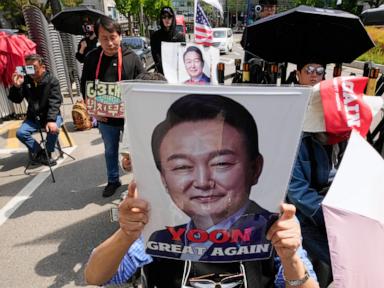
The supporters of the ex-president are calling it a witch hunt. They’ve been gathering outside the court with flags and megaphones, claiming the seven-year sentence is a death sentence given the defendant's age. On the other side, younger voters are largely supportive of the verdict. They see it as a necessary step toward a more transparent society. They don't care about the "prestige" of the Blue House; they care about fairness.
The ruling party is treading carefully. They don't want to look like they're gloating, but they're also using this as a "see, we told you so" moment. Meanwhile, the opposition is in damage control mode. This sentence makes their previous association with the leader a huge liability. It’s going to shake up the next election cycle, no doubt about it.
The Legal Precedent This Sets
This verdict is a warning shot to current and future leaders. It tells them that the "I was just doing my job" defense doesn't work when you're actively fighting the legal system. It also sets a precedent for how "resisting" is defined at the executive level.
Expect to see this case cited in future trials across the globe. International law experts are already looking at how South Korea manages to hold its elite accountable. While the process is messy and often painful for the country, it shows a level of judicial independence that many Western democracies actually envy.
The court made it clear: your legacy doesn't give you a pass on your conduct during an investigation. If you're told to show up, you show up. If you're told you're under arrest, you go. Anything else is just adding years to your sentence.
What Happens Next for the Defense
The defense team has already signaled an intent to appeal. They’ll likely argue that the resisting arrest charge was overblown and that the court didn't give enough weight to the "extenuating circumstances" of the former president’s health or state of mind. Don't expect much sympathy from the higher courts, though.
In South Korea, once the momentum of a high-profile corruption or defiance case starts, it’s hard to stop. The appellate courts usually uphold these sentences unless there’s a massive procedural error. The defense has a steep mountain to climb. They’re basically trying to convince a skeptical public and an even more skeptical judiciary that a seven-year sentence for someone who actively fought the law is "unfair." Good luck with that.
The next few months will involve more hearings, more protests, and likely more evidence being leaked to the press. It’s a cycle we’ve seen before, but the "resisting arrest" angle keeps it feeling new and particularly aggressive.
If you're following this, keep an eye on the specific legal arguments regarding the security detail's role. If the court decides that the bodyguards were complicit in the resistance, we could see even more people headed to prison. This isn't over yet. It’s just the end of the first act.
The smartest thing for any political observer to do right now is look at the long-term impact on South Korea's executive branch. Every time a president goes to jail, the office loses a bit of its "sacred" status. That’s probably a good thing for democracy, even if it makes for a chaotic news cycle.
Pay attention to the upcoming legislative sessions. There’s already talk of bills to limit presidential immunity further. The goal is to make sure that the next person who moves into the Blue House knows exactly what’s waiting for them if they decide the rules don't apply. Accountability is a one-way street, and the Seoul Central District Court just put up a brick wall at the end of it.