The siren does not start as a scream. It begins as a low, mechanical moan, a physical vibration that you feel in the hollow of your chest before your ears actually register the pitch. In the crowded cafes of Tel Aviv or the quiet residential blocks of Jerusalem, there is a collective, practiced pause. Forks hover an inch from mouths. Conversations hang mid-sentence. Then, the realization hits: the 83rd time feels exactly like the first.
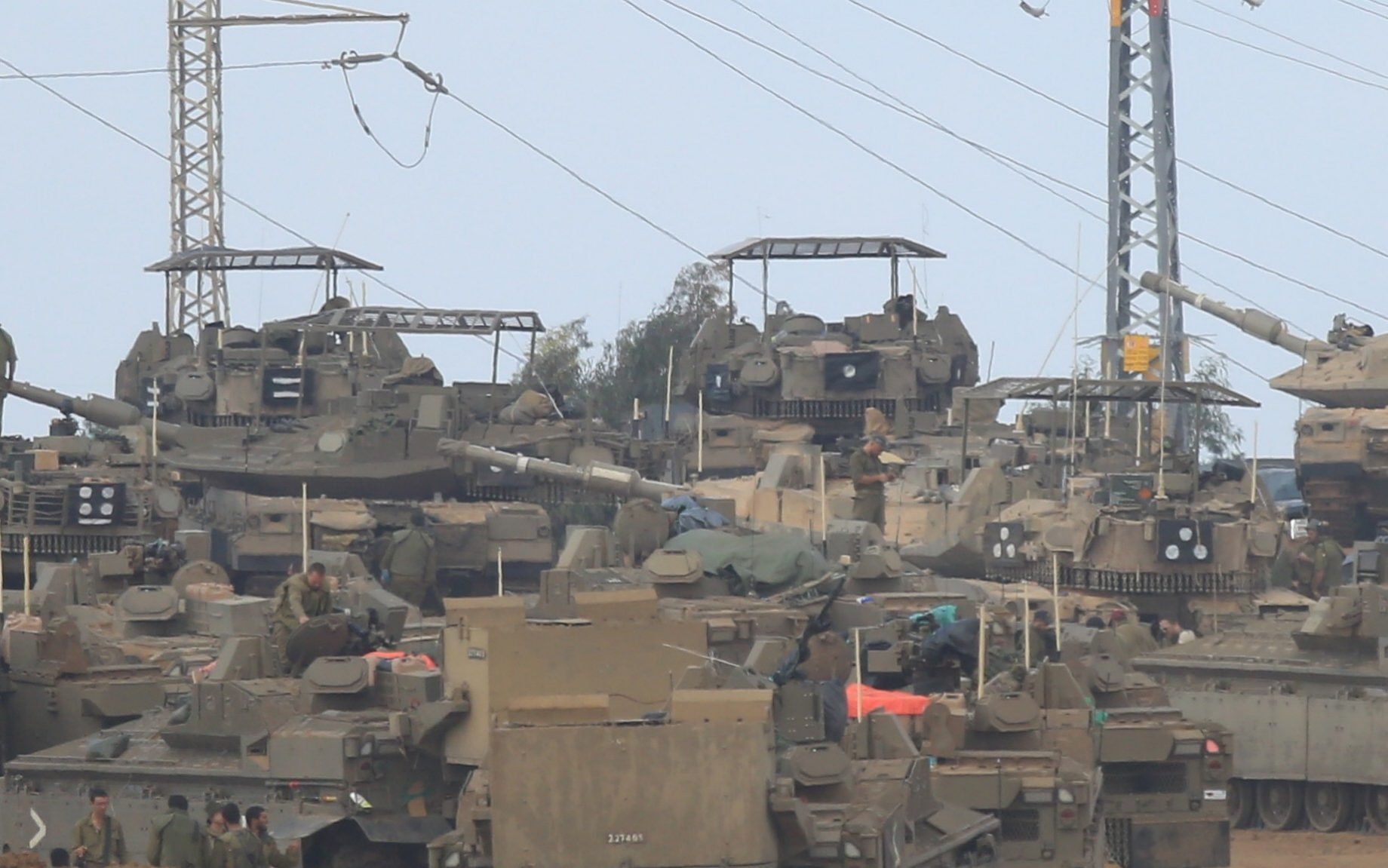
When Iran launched its latest wave of ballistic missiles toward Israel, the world saw a map of red dots and a scrolling ticker of geopolitical consequences. But on the ground, the reality is composed of smaller, sharper fragments. It is the sound of a plastic slide being abandoned in a public park. It is the frantic rhythm of sneakers hitting the pavement as a mother pulls her child toward a communal shelter.
This isn't just a military exchange. It is the systematic transformation of the sky into a source of dread.
The Message on the Metal
War has always been a medium for communication, but rarely has it been this literal. Among the twisted remains of intercepted debris, images surfaced that felt like a surrealist nightmare. Scrawled across the cold, aerodynamic casings of the missiles were messages. Some were dedicated to the "People of India" or the "People of Germany." It was a bizarre, performative attempt at global outreach via high-explosive delivery systems.
Think about the sheer cognitive dissonance required to write a "Thank You" note on a weapon designed to vaporize a city block. It suggests a conflict that has moved beyond territorial disputes and into the realm of a global psychological spectacle. The missile becomes a billboard. The explosion becomes a press release.
For the person huddled in a safe room, these geopolitical flourishes are irrelevant. They don't see the "Thank You" written in ink; they see the streak of light through a reinforced window. They hear the Iron Dome interceptors—the "Tamir" missiles—launching with a roar that sounds like the atmosphere itself is tearing open.
The Calculus of Survival
To understand the weight of these 83 waves of attacks, you have to understand the math of the shelter. In some parts of the country, you have ninety seconds. In others, you have fifteen.
Fifteen seconds is not enough time to think. It is only enough time to react. You grab the dog. You grab the phone. You hope the neighbor's elderly father heard the alarm. This repetitive trauma creates a specific kind of exhaustion—a "security fatigue" that the attackers rely on. The goal isn't always to hit a specific building. Often, the goal is simply to ensure that no one in the target zone can ever truly feel at rest.
The Iranian strategy, orchestrated through its own batteries and its regional proxies, is one of saturation. They are testing the limits of physics and finance. Every interceptor Israel fires costs tens of thousands of dollars. Every missile Iran launches is a fraction of that cost. It is a war of attrition played out in the clouds, where the defenders must be perfect 100% of the time, while the attackers only need to be lucky once.
A World Watching Through a Screen
While the sirens wail in the Middle East, the rest of the world consumes the conflict in ten-second vertical videos. We see the "People of India" shout-outs and the "People of Germany" mentions and we debate the diplomatic implications in comment sections. There is a strange, jarring distance between the digital discourse and the physical reality.
The mention of India and Germany on the ordnance isn't accidental. It’s a calculated move to signal that this isn't a localized spat. It’s a claim of a broader alignment, an attempt to weave a narrative where Iran isn't an aggressor, but a representative of a new global order. It is propaganda written in rocket fuel.
But the narrative falls apart when you look at the victims. Missiles are famously indifferent to the political leanings or nationalities of those they land upon. They do not distinguish between the supporter and the dissenter. They only know impact.
The Architecture of the Aftermath
What happens after the 83rd wave? The sirens eventually stop. The "All Clear" signal sounds—a steady, continuous tone that feels like a long-held breath finally being released. People emerge. They check their phones. They see the photos of the debris with the strange messages written on them. They go back to their coffee, which is now cold.
This is the invisible stake of the conflict: the erosion of normalcy. When the sky becomes a graveyard for falling metal, the ground becomes a place of temporary residence. You stop planning for next month. You start planning for the next fifteen seconds.
The debris from the latest strike will be collected. It will be analyzed by intelligence officers in sterile rooms. They will look at the circuitry, the fuel grade, and the handwriting of the messages scrawled on the hull. They will try to decode the intent of a regime that sends gratitude on the wings of destruction.
Yet, the most profound message isn't the one written in ink. It’s the silence that follows the explosion. It’s the way a child looks at a clear blue sky and wonders if it’s truly empty. It’s the realization that in this modern age, war doesn't just happen at the borders. It happens in the air above your home, and it carries the names of people thousands of miles away who have no idea their identity is being used as a signature on a bomb.
The missiles are loud, but the psychological toll is a quiet, creeping thing. It settles in the joints. It makes the hands shake just a little bit when the wind catches a door and makes it slam. Eighty-three waves. Each one a reminder that the distance between a peaceful evening and a frantic dash to the basement is exactly as thin as a sheet of aluminum.
The sun sets over the Mediterranean, painting the water in bruised purples and deep oranges. On the beach, people watch the horizon, not for the beauty of the light, but for the first spark of an interceptor rising to meet a threat. They are looking for the stars that move too fast. They are waiting for the sky to speak again.