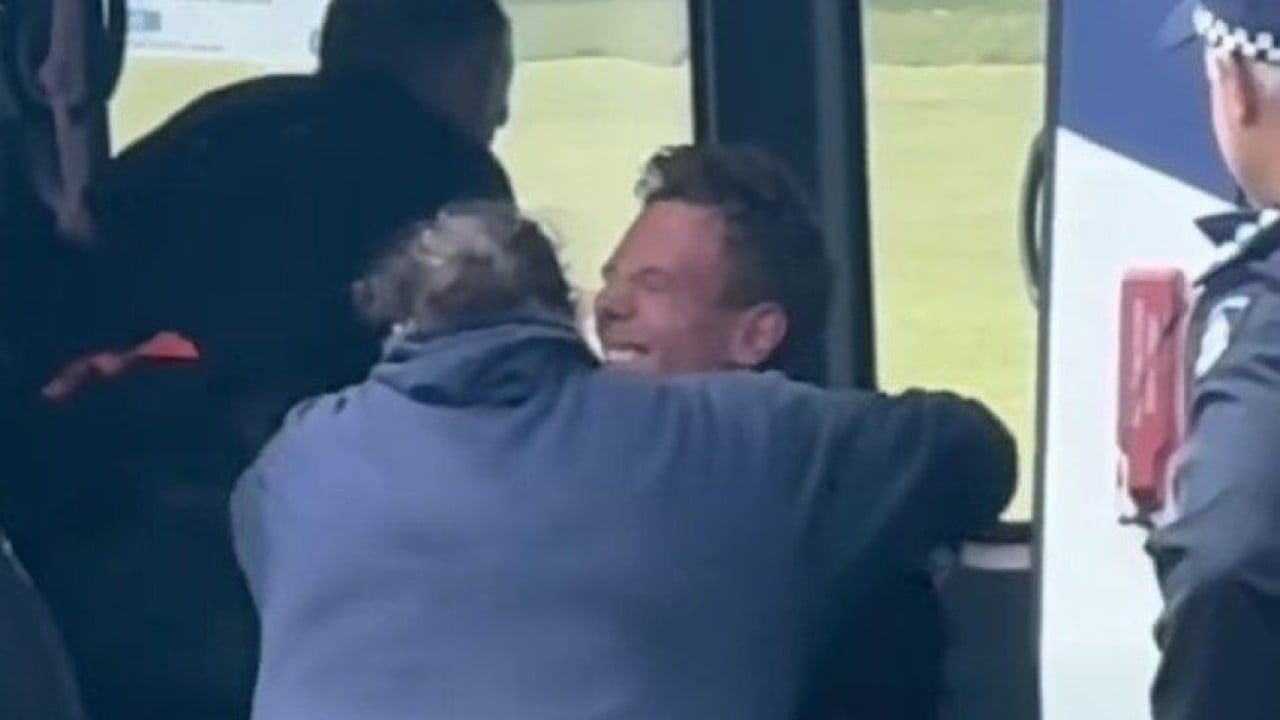
A 17-year-old boy with Level 2 autism was found alive after six days missing in Australian bushland near Walhalla, eastern Victoria, on November 12, 2026. Police spotted William from a helicopter roughly two kilometers from his camp beside a creek, winched him out, and reunited him with his mother, Elizabeth.
He survived on minimal gear. No stove. No GPS. Just shorts, work boots, two towels, and water from the creek while overnight temperatures dipped near freezing. Meanwhile, you can explore related developments here: What Happens When Chinese Women Find Long-Lost Twins on Short Video Apps.
Wire stories packaged the rescue as a neat feel-good miracle, complete with a mother's joke about grounding him for life. That framing lets off the hook everyone who sends neurodivergent teens into rugged terrain without a serious safety plan. Six days is a long time in Gippsland timber and gullies. Survival here owes more to mild spring weather, creek water, and sheer luck than to any flaw-free search system.
What Happened Near Walhalla
William left his campsite near Walhalla East on his first camping trip with a friend to fetch an esky or additional gear, leaving his mobile phone behind. He never came back. To see the complete picture, check out the excellent report by NPR.
Once someone steps off a familiar track in Victorian bushland, distance stops matching effort. Thick scrub, steep creek lines, and fallen timber turn a walk of two kilometers into a maze. Without a phone or compass, a person who turns around twice can walk past the tent without hearing a call.
More than 100 emergency workers, specialist police, and volunteers combed the area around Walhalla and Cowwarr Weir for six days. Heavy ground crews move slowly through steep gullies and dense undergrowth. Aerial eyes eventually made the difference when a helicopter crew spotted him near the water.
The Gap Between Camp Routine and Bush Reality
Camping requires constant adaptation. Wind shifts, campfires smoke, boots rub blisters, and darkness arrives suddenly in steep valleys.
For a teenager with Level 2 autism, who relies on predictable routines and clear communication, a sudden break in orientation changes everything. A neurotypical camper might push through fatigue to hike out along a ridge. Someone overwhelmed by sensory shifts, disorientation, or hunger may stay put, gravitate toward water, or tuck into a hollow.
Reports around the rescue noted that William stayed near water, used towels for warmth, and kept his spirits up by singing to himself. Drinking straight from a creek carries stomach-bug and parasite risks, yet dehydration kills far faster in the bush than untreated water. Staying near a creek solved the hardest immediate equation of survival: fluids.
Why Search Math Gets Hard Fast
Search and rescue teams work off probabilities, not magic. When a person goes missing, planners weigh terrain type, weather, age, medical needs, and likely travel paths.
- Water pulls people in: Creeks and gullies offer natural paths and hydration, yet steep banks and thick vegetation also hide people from ground searchers walking ten meters away.
- Noise travels poorly in timber: Leaves, rushing water, and wind swallow shouted names. A lost person who feels anxious or overstimulated may not answer even when searchers pass close by.
- Time erodes certainty: Every passing day widens the possible search radius and tests body heat, blood sugar, and judgment.
By day four or five in cold spring nights, the margin between a walkout and a tragedy thins out. Mild daytime conditions and dry spells in the region kept exposure from becoming immediately fatal. Change the forecast to cold rain and driving wind, and the outcome could have been grim.
Hard Questions About Autism and Outdoor Trips
After a dramatic rescue, polite conversation tends to focus on gratitude. That gratitude is earned. Still, tough operational questions sit right underneath it.
First, why was a teen who needs substantial daily support separated from gear and navigation on an uneven bush trip? Even seasoned campers lose bearings on quick trips to a vehicle or drop-off point. Leaving a phone behind removes the simplest way to ping a last known spot or coordinate before darkness sets in.
Second, search teams often face incomplete information in the opening hours. Families and friends may hesitate to share full details about sensory triggers, responses to sirens or helicopters, or calming cues. Every minute spent guessing whether a missing person will hide from strangers or respond to a familiar voice costs ground in steep country.
(Hypothetical example: Suppose a teen with autism becomes startled by loud shouting and whistles from a search line. Instead of walking toward help, the teen crawls under thick fern cover and stays silent while twenty searchers walk past.)
That is not a knock on volunteers or police. Ground crews do grueling work in rough country. Better pre-trip planning simply gives those crews sharper clues from hour one.
Where Real Prevention Starts
Nobody can bubble-wrap adolescence or outlaw outdoor adventures. Independence matters for autistic teens just as much as it does for any other young person.
Real safety comes from practical habits before anyone packs a tent.
- Keep essentials attached: A charged phone in a zippered pocket, a bright whistle, and a small headlamp beat relying on memory during a quick walk from camp.
- Set hard boundaries: Agree on exact sightlines or check-in times before anyone walks to a car, creek, or gear pile.
- Prepare a clear missing-person brief: Keep a recent photo, clothing description, medical and support needs, calming phrases, and known fixations or water attractions ready to hand to police immediately.
Technology helps around the edges, from GPS trackers to two-way satellite messengers, though batteries die and signal drops in deep gullies. Discipline around routines and clear communication remains the most dependable gear in the pack.
William came home with scratches, sunburn, and a story that stunned everyone watching the news. Treat his survival as a warning to tighten up outdoor planning before the next trip begins.