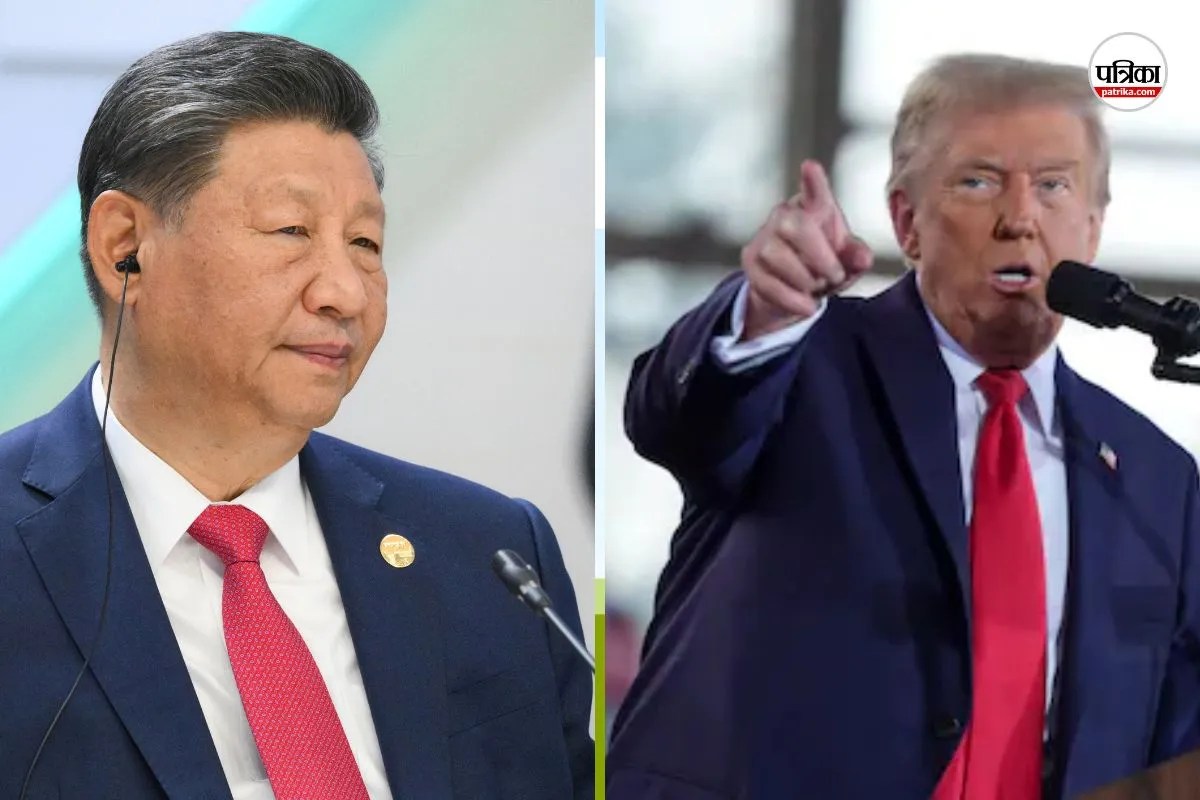
The escalating friction between the United States and Iran is frequently characterized as a bilateral confrontation or a localized regional conflict. This perspective is analytically incomplete. The current geopolitical friction is a function of a broader Asymmetric Entrenchment Strategy orchestrated by Beijing, designed to utilize Iran as a strategic buffer to deplete American military and economic capital. While political rhetoric focuses on the immediate threat of kinetic warfare, the structural reality involves a sophisticated tri-lateral interaction between the U.S. "Maximum Pressure" doctrine, Iranian regional proxies, and Chinese financial and technological lifelines.
The Triad of Chinese Strategic Intervention
China’s role in the Iran-U.S. conflict operates through three distinct vectors that bypass traditional diplomatic channels and render standard sanctions regimes increasingly ineffective.
1. The Energy-Sanction Arbitrage
The primary mechanism of Iranian resilience is the systematic circumvention of the U.S. dollar-denominated oil market. Beijing leverages its status as a monopsony buyer of Iranian "teapot" refinery exports, transacting through the Petroyuan and non-SWIFT financial conduits. This creates a closed-loop economy where Iranian crude is exchanged for Chinese industrial hardware and surveillance technology. By decoupling these transactions from the global financial grid, China ensures that the cost of Iranian survival is subsidized without triggering direct secondary sanctions on its own Tier-1 financial institutions.
2. Technological Diffusion and A2/AD Capabilities
Iranian defensive posture relies heavily on Anti-Access/Area Denial (A2/AD) capabilities. The efficacy of Iranian drone swarms and ballistic missile guidance systems is tethered to Chinese dual-use technology transfers. Components found in the Shahed-series loitering munitions often trace back to commercial supply chains rooted in Shenzhen. This diffusion allows Iran to achieve high-lethality outcomes with low-cost hardware, forcing the United States to expend high-cost interceptors—such as the SM-3 or Patriot systems—to neutralize inexpensive threats. The economic attrition ratio here favors the Iranian-Chinese axis by a factor of approximately 50:1.
3. Diplomatic Shielding via BRICS+ and SCO
The formal integration of Iran into the Shanghai Cooperation Organisation (SCO) and the BRICS+ framework provides a multilateral layer of protection. This integration shifts the Iranian issue from a "rogue state" narrative to a "member state" concern for a bloc that represents over 40% of the world's population. When the U.S. targets Iranian interests, it now indirectly pressures the collective interests of the Global South, complicating the formation of international coalitions similar to those seen in the 2010-2015 era.
The Trumpian Miscalculation and the Resilience Gap
The prevailing theory that a return to "Maximum Pressure" under a second Trump administration would result in an Iranian collapse fails to account for the Resilience Gap developed since 2018. The first iteration of Maximum Pressure relied on a global economy that was still largely centralized around Western financial nodes. In the intervening years, the "Game" being played by Beijing has involved building a "Parallel Architecture" that is intentionally opaque to Western intelligence.
The resilience of the Iranian regime is no longer determined by the value of the Rial against the Dollar, but by its utility within the Chinese Belt and Road Initiative (BRI). Iran serves as a critical terrestrial bridge connecting Central Asia to the Persian Gulf. For China, the preservation of the Iranian state is not a matter of ideological alignment, but a logistical necessity to secure its "Middle Corridor" energy routes.
Quantifying the Burden of Regional Proxy Warfare
The United States faces a structural disadvantage in the Red Sea and the Levant due to the Proxy Elasticity of the Iranian Revolutionary Guard Corps (IRGC). Iran operates as a venture capital firm for regional militias, providing the seed funding (weaponry and intelligence) while the proxies provide the human capital and local operational risk.
- Cost Scaling: It costs Iran roughly $20,000 to produce a long-range drone.
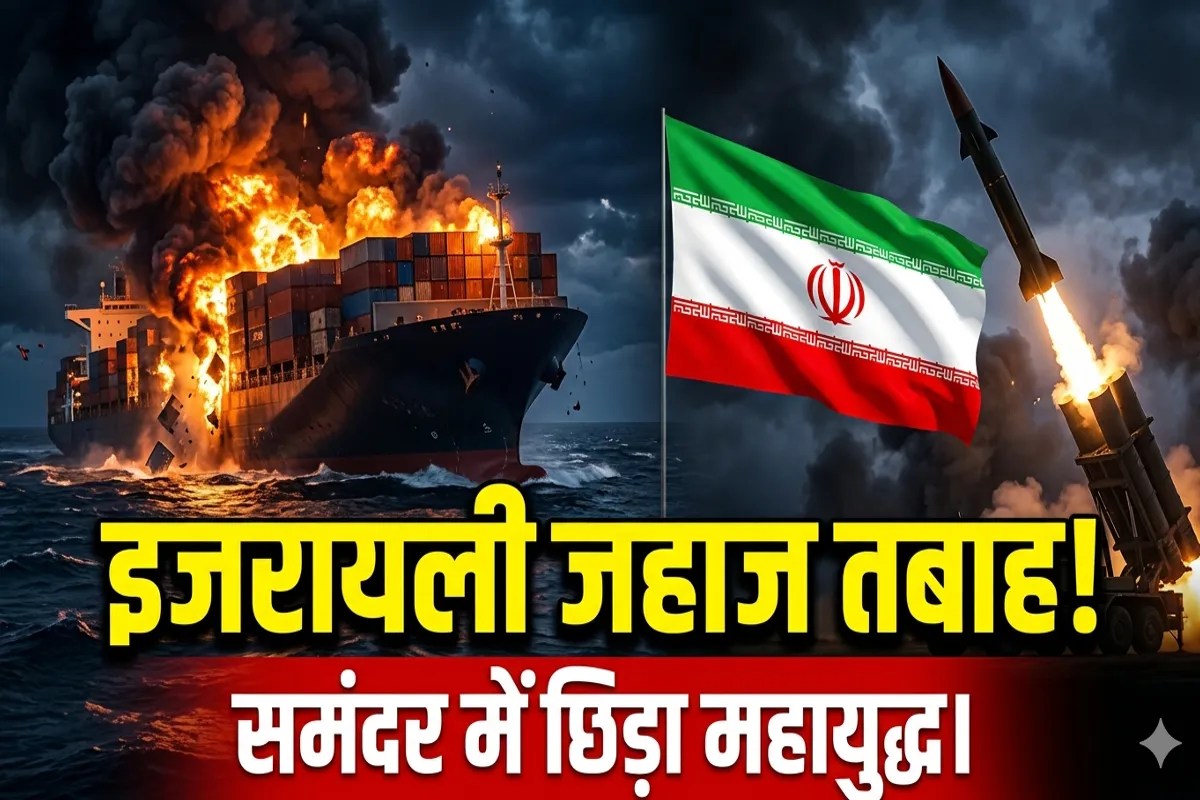
- Operational Friction: A single Houthi strike on a commercial vessel in the Bab el-Mandeb strait forces a diversion of global shipping, adding an estimated $1 million in fuel costs per voyage and a 10-day delay.
- Response Asymmetry: The U.S. naval presence in the region costs billions of dollars annually to maintain, yet it remains reactive.
China benefits from this friction. As the U.S. Navy is pinned down protecting shipping lanes, it is forced to divert assets from the Indo-Pacific theater. This "Strategic Dilution" is the core of the Chinese game plan: keeping the U.S. distracted in the Middle East prevents the full execution of the "Pivot to Asia."
The Silicon Silk Road: Surveillance as a Sovereign Guarantee
A significant, yet under-reported, aspect of the Sino-Iranian partnership is the export of the "Great Firewall" and advanced biometric surveillance systems. Beijing provides the Iranian internal security apparatus with the tools necessary to suppress domestic dissent with high precision. This technological support mitigates the risk of a popular uprising—a key pillar of U.S. regime-change strategies. By stabilizing the Iranian domestic front through AI-driven surveillance, China ensures its strategic partner remains a viable disruptor of Western interests for the long term.
The Strategic Bottleneck of U.S. Policy
U.S. policy currently suffers from Binary Fatigue—the belief that the only options are total war or total sanctions. This ignores the reality of "Grey Zone" competition. The Iranian-Chinese alliance operates in this grey zone, where actions are kept just below the threshold of triggering a full-scale American military response.
The second limitation is the Secondary Sanction Paradox. If the U.S. were to sanction Chinese banks for purchasing Iranian oil, it would risk a systemic decoupling that would destabilize the American domestic economy and accelerate the global move away from the dollar. Beijing knows that the U.S. is unlikely to pull this "nuclear" economic trigger, creating a permanent safe haven for Iranian trade.
Operational Forecast for the Next Administrative Cycle
The strategic environment suggests that the "real turn" in the Iran war will not be a sudden military strike, but a gradual hardening of the Sino-Iranian axis. The United States must anticipate a scenario where Iran becomes a de facto military protectorate of the SCO.
The optimal U.S. response requires a shift from targeting Iranian exports to targeting the Chinese Supply Chain of Disruption. This involves:
- Supply Chain Interdiction: Aggressive targeting of small and medium-sized Chinese enterprises (SMEs) that provide the sub-components for Iranian A2/AD systems, rather than focusing on large state-owned banks.
- Energy Diversification for Allies: Providing technical and financial incentives for India and Southeast Asian nations to move away from sanctioned energy sources, thereby shrinking the market for "grey" Iranian crude.
- Asymmetric Diplomatic Costing: Making Chinese support for Iran a high-friction point in separate trade negotiations, forcing Beijing to weigh the value of an Iranian buffer against the cost of Western market access.
The conflict is no longer about the JCPOA or nuclear enrichment in isolation. It is a battle over the control of the global financial and logistical architecture. If the U.S. continues to treat Iran as a localized problem, it will systematically lose ground to the Chinese strategy of attrition. The focus must shift from the symptoms (Houthi missiles, IRGC rhetoric) to the source of the structural support (Beijing’s parallel financial systems). Failure to adapt to this tri-lateral reality will result in a permanent erosion of American influence in the Middle East, regardless of who occupies the White House.