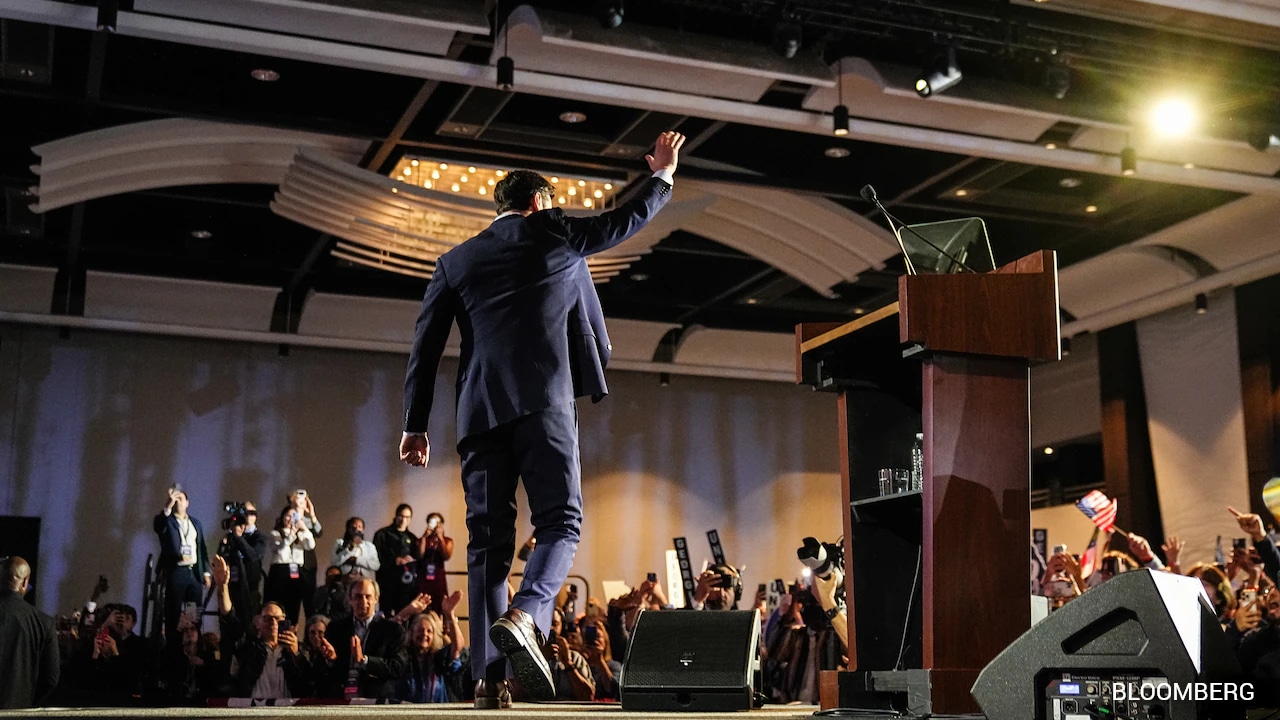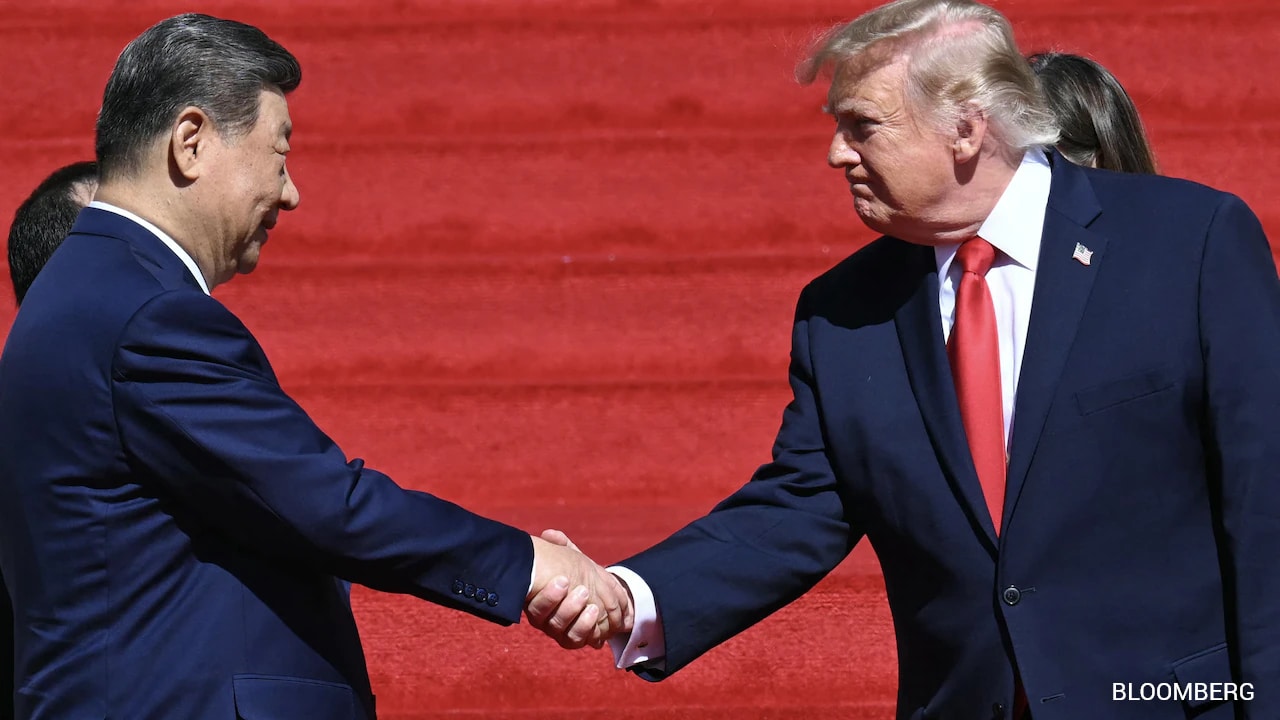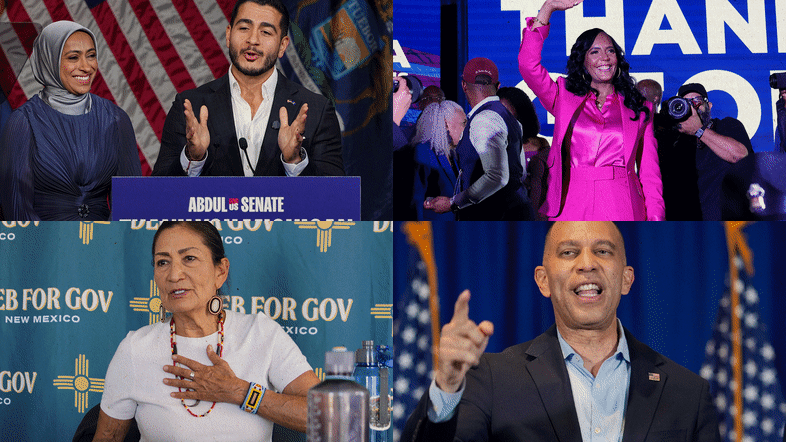
The ink on the November 2026 midterm ballots is barely dry, and the knives are already out inside the GOP. If you thought Republicans would take a quiet breath after the election cycle, you haven't been paying attention to how modern presidential primaries actually start.
They start with finger-pointing. Right now, the Republican blame game is in full swing, and every single accusation is really an opening bid for the 2028 presidential nomination.
Let's be honest about what's happening. Whenever a party hits a rough patch—or even when it wins narrowly and fails to meet inflated expectations—ambitious politicians immediately look for a scapegoat. In Washington and across state capitals, potential 2028 contenders are quietly (and sometimes loudly) telling donors that the party's recent messaging missed the mark. By diagnosing the problem, they're pitching themselves as the cure.
Why the Finger-Pointing Started Immediately
Political vacuums don't last long. With Donald Trump term-limited and unable to run again in 2028, the fight to inherit the Republican coalition was always going to be brutal. The 2026 midterms simply fired the starting gun.
Here's the core tension driving the current infighting. One faction argues the GOP leaned too hard into grievance politics and alienated suburban swing voters who care mostly about grocery prices, housing costs, and interest rates. Another camp insists the exact opposite—that candidates lost or underperformed because they softened their populist edge and failed to turn out low-propensity working-class voters.
Both sides can't be right. Yet both arguments serve a clear strategic purpose for the people making them.
If you're a traditional conservative governor or a Senate institutionalist, blaming poor candidate quality and erratic messaging gives you a lane. You get to walk into high-dollar donor meetings in New York, Dallas, and Palm Beach and say, "I told you so. Give me the wheel, and I'll make us palatable to independents again."
On the flip side, if you're a populist firebrand, you point at establishment fundraisers and cautious campaign consultants. You argue they watered down the America First agenda and bored the base to death. That message plays brilliantly on conservative podcasts and at grassroots dinners in Iowa and New Hampshire.
The Main Contenders Jostling for Position
Nobody has officially filed paperwork for 2028 yet, because doing so right after an election makes you look wildly out of touch. Instead, shadow campaigns operate through PAC donations, strategic media hits, and carefully worded post-election postmortems.
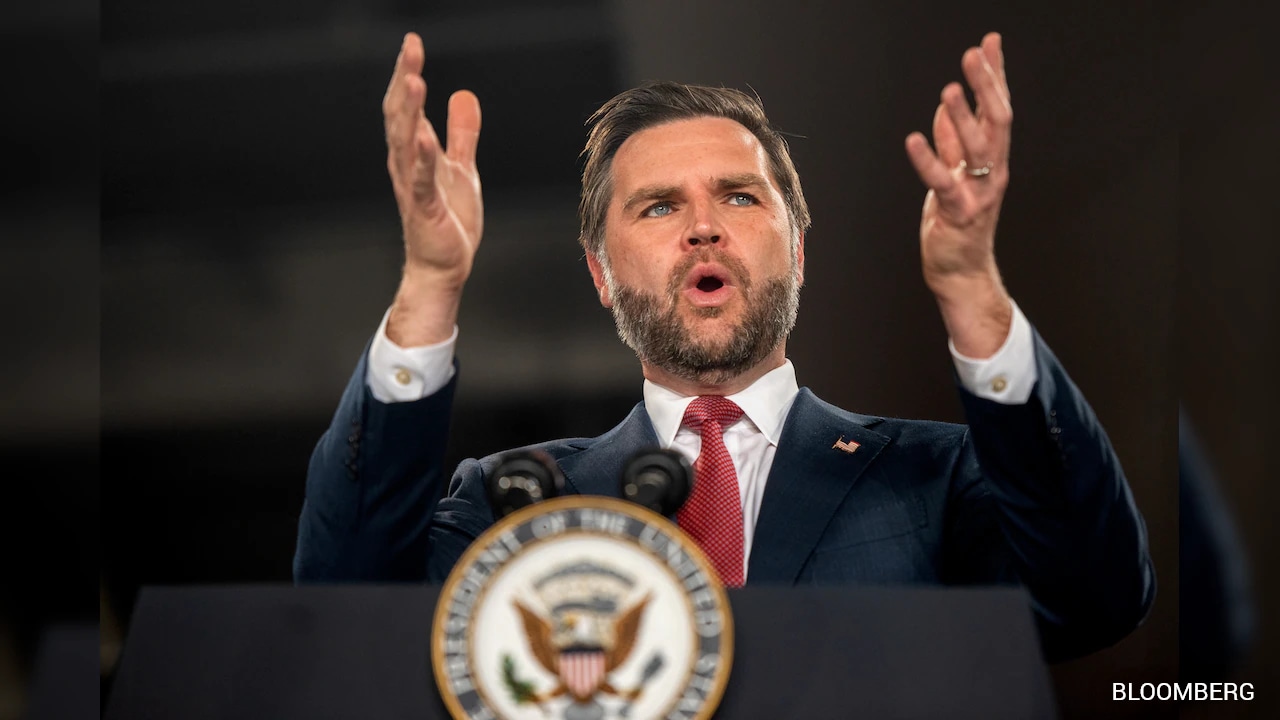
JD Vance sits at the center of almost every conversation. As the sitting Vice President, he holds the clearest claim to the MAGA mantle, and allies view him as the natural heir to the populist movement. Yet that frontrunner status paints a massive target on his back. Rival camps are already whispering that the administration's policies and rhetoric weighed down vulnerable House Republicans in swing districts. Vance's team knows this. Expect him to spend the next year aggressively defending the White House record while keeping grassroots organizers locked in his corner.
Ron DeSantis hasn't gone anywhere either. Even after his tough 2024 primary run, the Florida governor remains a fixture in conservative media and retains a formidable donor network. His allies love contrasting Florida's economic numbers and legislative record with messy national campaigns. Whenever GOP strategists complain about sloppy execution in battleground states, DeSantis's supporters are right there to remind everyone how decisively Republicans have consolidated power in Tallahassee.
Then you have the Senate and gubernatorial wildcards:
- Marco Rubio and Tom Cotton represent the national security wing of the party, arguing that global instability requires steady, serious leadership rather than constant domestic drama.
- Glenn Youngkin and Brian Kemp appeal directly to donors terrified of losing the suburbs forever. Kemp, in particular, proved in Georgia that a conservative can win tough statewide races without constantly picking fights with every institution in sight.
- Nikki Haley still commands loyalty from the hawkish, pro-business slice of the GOP electorate that never fully warmed to populism, though her path through a modern Republican primary remains steep.
- Vivek Ramaswamy continues to angle for the outsider lane, betting that younger conservatives want an unapologetic disruptor who treats traditional political consultants like relics.
Each of these figures is reading the 2026 election results like a Rorschach test. They see whatever justifies their own existence in the 2028 field.
What Donors Are Actually Saying Behind Closed Doors
If you want to understand where a party is headed, ignore the cable news panels and watch where the checks go. Right now, major Republican donors are exhausted and divided.
I've seen this pattern play out across multiple election cycles. After a bruising November, mega-donors threaten to close their checkbooks until the party "gets its act together." They demand data-driven postmortems. They complain about candidate recruitment. They ask why millions of dollars vanished into television ads that didn't move the needle in swing counties.
Candidates auditioning for 2028 exploit that frustration. They host quiet retreats and issue detailed memos explaining how they'll modernize voter turnout operations, fix early voting deficits, or sharpen economic messaging.
Notice how nobody takes personal responsibility for the party's shortcomings. When things go well, it's because of their specific brand of conservatism. When things go poorly, it's the fault of party leadership, bad media coverage, or weak-kneed allies who didn't hold the line.
The Danger of Fighting the Last War
There's a massive trap built into this early blame game, and Republicans fall into it just as often as Democrats do. Parties love fighting the last war.
Strategists spend months dissecting precinct-level data from 2026, trying to reverse-engineer a winning formula for 2028. Maybe they decide the GOP needs to talk more about inflation and less about social issues. Or maybe they conclude the party needs more aggressive cultural populism to juice rural turnout.
The problem? The electorate in November 2028 won't care about the exact talking points that worked—or failed—two years earlier. Economic conditions shift. New foreign crises erupt. Voter fatigue sets in with whoever holds power in Washington.
More importantly, the 2028 GOP primary won't be decided by political consultants analyzing suburban swing voters. It'll be decided by Republican primary voters in Iowa, New Hampshire, South Carolina, and Nevada. Those voters rarely reward the candidate who sounds most like a cautious strategist. They reward authenticity, toughness, and whoever convinces them they'll actually fight for their interests.
How to Read the Next Six Months of GOP Infighting
As the blame game drags into early 2027, pay less attention to the insults and more attention to the calendar. Watch which potential 2028 candidates show up in Des Moines for county party dinners. Track who's cutting checks to state legislative candidates in early primary states—that's the oldest trick in the book for buying local endorsements before a presidential run.
Watch how candidates talk about the current administration, too. Walking the tightrope between praising the party's record and promising a fresh direction is the hardest skill in politics. Anyone who attacks the GOP base directly gets disqualified immediately. Anyone who blindly defends every misstep looks weak when voters demand change.
If you're tracking this race closely, stop listening to the cable news spin about "party unity." Unity doesn't exist when a dozen ambitious politicians see an open lane to the White House. Start following state-level PAC filings, early-state travel schedules, and local GOP chair endorsements—that's where the real 2028 primary is already being fought.