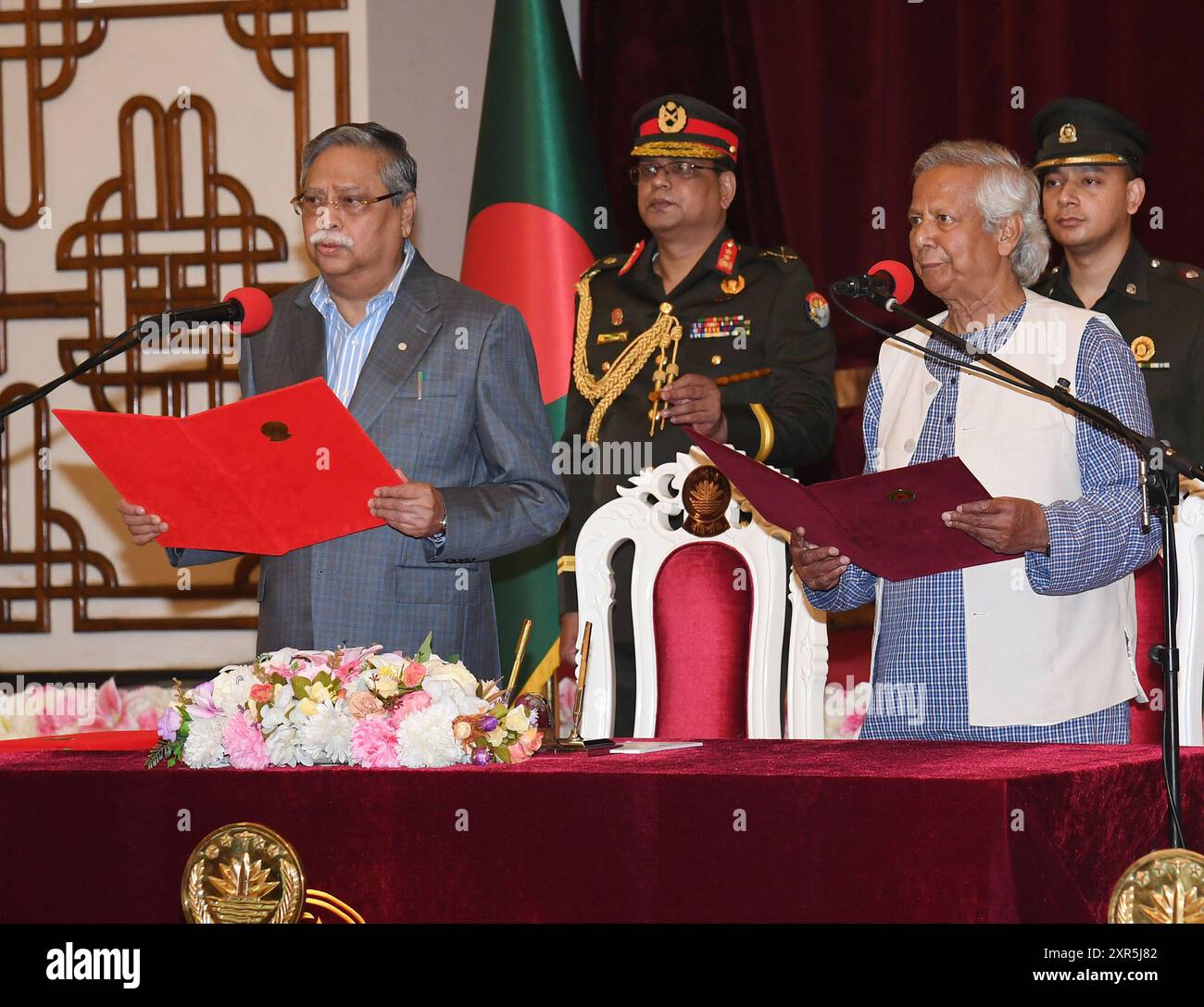
Political shifts rarely happen quietly, but some events completely rewrite the rules of engagement overnight. If you've been following South Asian politics, you know that leadership transitions often follow predictable, heavily scripted paths. However, recent developments in Dhaka threw out the old playbook entirely. When a nation goes decades without a genuinely contested race for its highest office, the eventual clash shakes up the entire institutional foundation.
You might wonder why anyone outside of Dhaka should care about who sits in the presidential palace. The truth is, ceremonial roles often hide immense symbolic and stabilizing power, especially during turbulent transitional phases. When political factions finally decide to test their strength at the ballot box after a generation of predictability, the ripple effects touch everything from foreign policy to domestic economic confidence.
To understand the weight of this moment, you have to look past the surface headlines. Most international observers treat ceremonial elections as mere formalities. They assume the outcome is pre-arranged behind closed doors. But grassroots organizers and seasoned regional analysts saw something entirely different unfolding on the ground this time around.
Moving Beyond Thirty Years of Predictability
For over three decades, the presidency in this South Asian republic operated on autopilot. Candidates walked into office unopposed, leaving citizens wondering if their democratic exercises meant anything at all. When an election features actual competition, the dynamic changes instantly. Parties have to campaign, negotiate, and justify their choices to a public that has grown deeply skeptical of institutional integrity.
Let's be honest. Skepticism is the default setting for anyone watching modern democratic transitions. People are tired of empty promises and rubber-stamp votes. When an election actually forces candidates to sweat out a legislative or parliamentary tally, it breathes life back into stale chambers.
- The end of uncontested continuity means every vote requires coalition-building.
- Legislative horse-trading replaces quiet appointments.
- Public scrutiny turns toward offices that used to fly under the radar.
If you are looking for official updates, certified outcomes, and direct logistical details regarding how these legislative bodies operate, you can check the Bangladesh Election Commission for primary documentation and public notices. For ongoing international coverage, major networks like Al Jazeera and BBC News provide comprehensive reports on regional political shifts.
What Happens Next on the Ground
Critics often argue that changing the face at the top doesn't fix systemic economic anxiety or institutional gridlock. They are right, up to a point. A single election won't fix inflation or heal deep partisan divides overnight. However, ignoring the psychological impact of a contested vote is a massive mistake.
When citizens see that political monopolies can be challenged, civic engagement ticks upward. Civil society groups start demanding transparency in other government branches. The conversation shifts from quiet resignation to active participation.
You have to watch how the ruling administration handles dissent and legislative pressure in the coming months. If this contested vote is treated as a one-off anomaly, the system will snap right back to its old habits. If it signals a permanent shift toward competitive governance, the entire political landscape of the region faces a bright, unpredictable future. Keep your eyes on local parliamentary developments and independent civic trackers to see whether this momentum actually sticks.