The World Health Organization has secure funding for less than half of what is needed to fight a deadly Ebola outbreak in the Democratic Republic of Congo, leaving health workers empty-handed against a virus that has no approved vaccine or treatment. By the time the international community realizes the scale of this error, it will be too late.
While global headlines focus elsewhere, the Bundibugyo strain of Ebola is silently tearing through the eastern provinces of the Democratic Republic of Congo (DRC). The official numbers are grim enough: 1,926 infections and 702 deaths. Yet the actual situation is far worse. Internal modeling from the World Health Organization (WHO) indicates that the true number of infections is at least double, and potentially four times, the official government tally. If you found value in this piece, you might want to look at: this related article.
This is not a failure of surveillance. It is a mathematical certainty born of empty coffers, armed conflict, and international indifference.
The Mirage of Official Statistics
Measuring an epidemic in a war zone is an exercise in educated guesswork. For another angle on this development, see the recent coverage from Medical News Today.
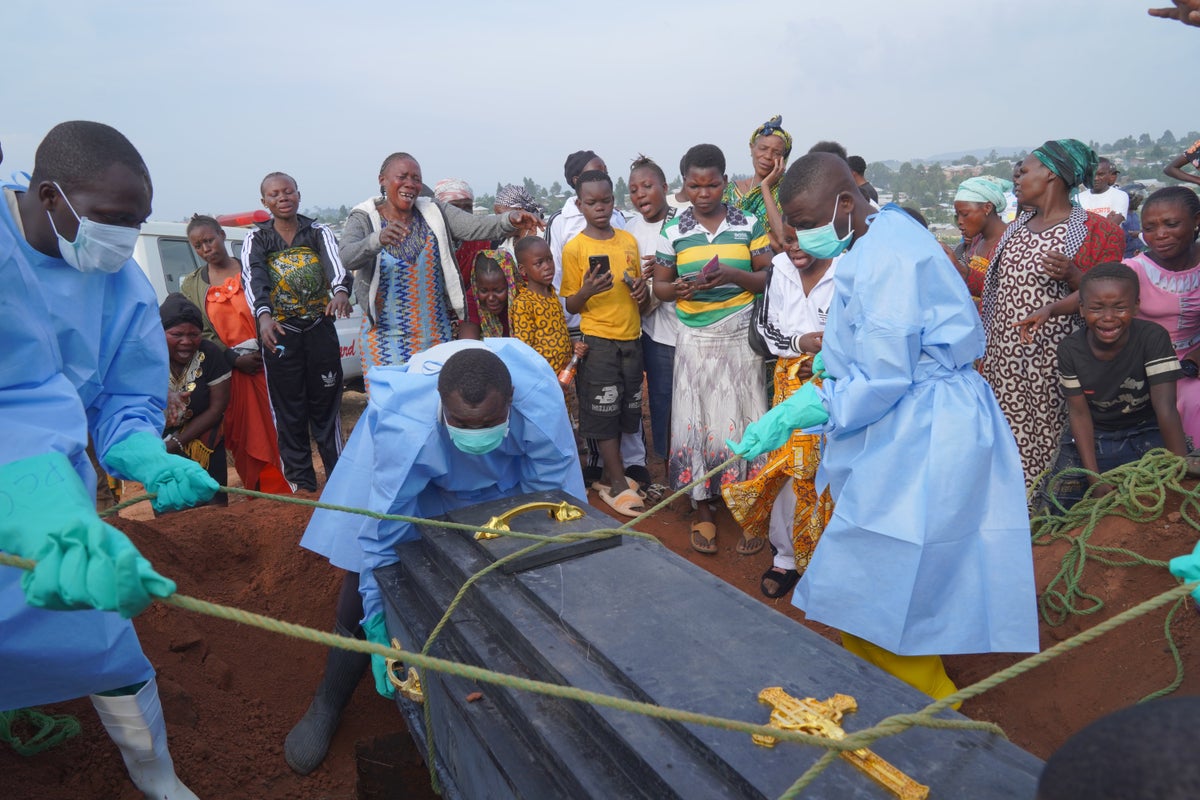
In Ituri province, hundreds of thousands of displaced people live in crowded camps. These camps are highly volatile. When a fever breaks out, health workers cannot simply walk in to test patients. Armed groups control the access roads, and community mistrust runs deep. As a result, people die in their tents, their bodies are buried in secret, and their deaths never register on the official dashboards.
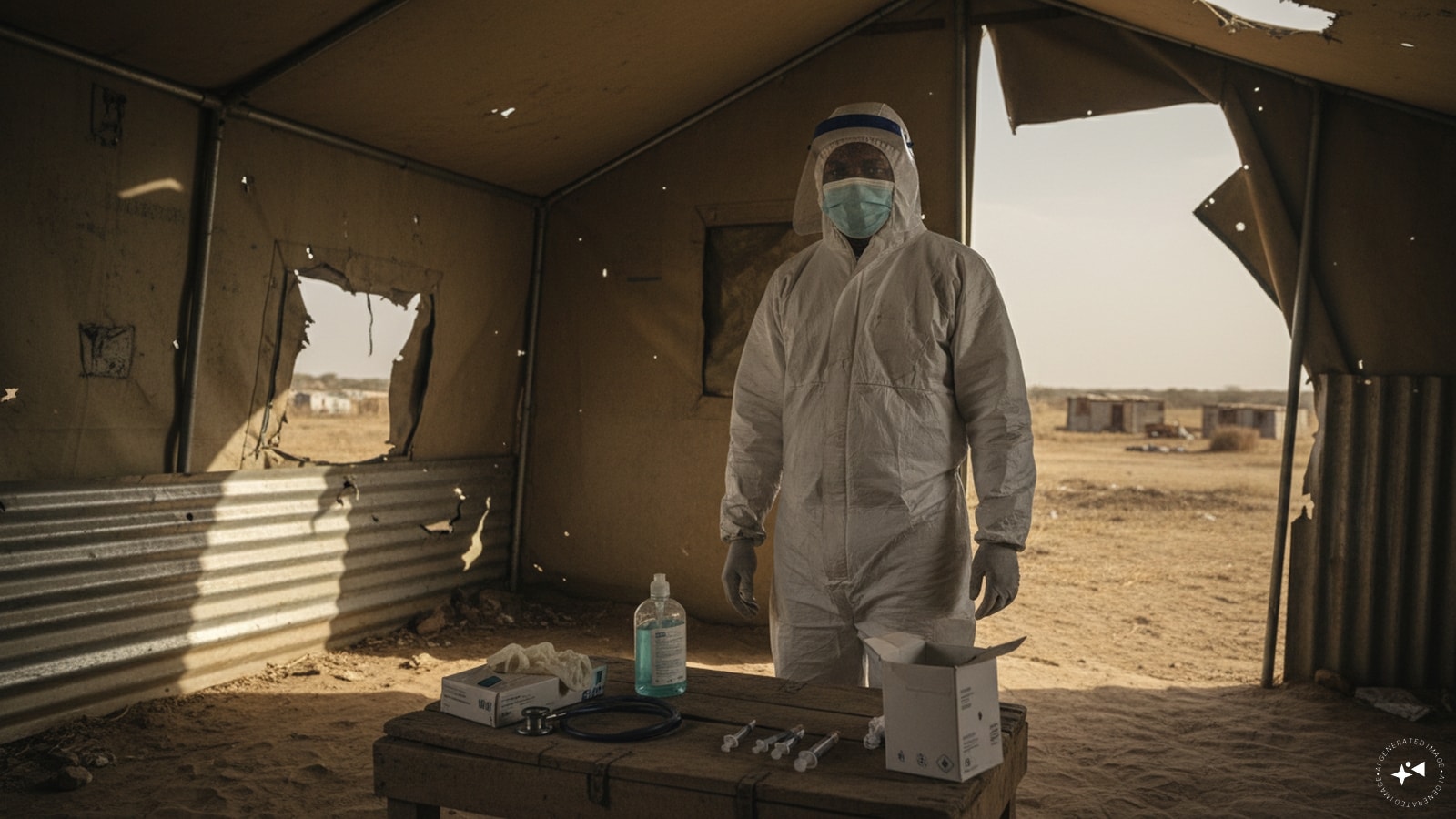
The WHO launched a modest appeal for $115 million to establish basic containment measures, set up isolation tents, and deploy contact tracers. To date, international donors have provided just 40% of that total. This leaves a $69 million hole in the immediate response. When the agency tasked with stopping a global threat is forced to ration body bags and personal protective equipment, the virus wins.
Worse still, the broader response led by the Africa Centres for Disease Control and Prevention requires an estimated $1.4 billion to address both the medical and humanitarian drivers of the crisis. Yet, of the funding pledged by global powers, only 13% has actually been disbursed. Pledges do not stop transmissions. Only cash, medical supplies, and trained personnel on the ground can do that.
A Virus Without a Shield
The global public has grown complacent about Ebola. During the major outbreaks of the last decade, scientists deployed highly effective vaccines like Ervebo. Those vaccines targeted the Zaire strain of the virus.
They do not work against Bundibugyo.
There is currently no proven vaccine and no specific antiviral treatment available for the Bundibugyo strain. Containment relies entirely on classical public health measures: rapid identification, strict isolation, and safe burials. These measures require massive numbers of personnel on the ground.
Without money, the response cannot scale. Instead of chasing the virus, health workers are constantly reacting to new flare-ups after they have already spread. The virus recently jumped to two new provinces, confirming that the initial containment lines have failed.
Donor Fatigue and Geopolitical Distraction
The current funding gap is a direct symptom of donor exhaustion. Western governments are consumed by domestic economic pressures and multiple high-profile conflicts. Sending millions of dollars to the eastern DRC to fight an outbreak that has not yet crossed an ocean is a low priority for politicians facing election cycles.
This short-term thinking is dangerous.
Pathogens do not respect national borders or political cycles. A single infected traveler departing from an airport in the region can transport the Bundibugyo strain to a major global transit hub within hours. By withholding the relatively small sum of $115 million today, donor nations are guaranteeing they will spend billions tomorrow when the virus inevitably escapes the region.
The immediate priority must shift from empty political promises to hard currency transfers. International financial institutions and wealthy nations must release the remaining 87% of pledged emergency funds immediately. The WHO cannot run contact-tracing teams on IOUs, and the people of the DRC cannot afford to wait while bureaucratic machinery slowly grinds forward.