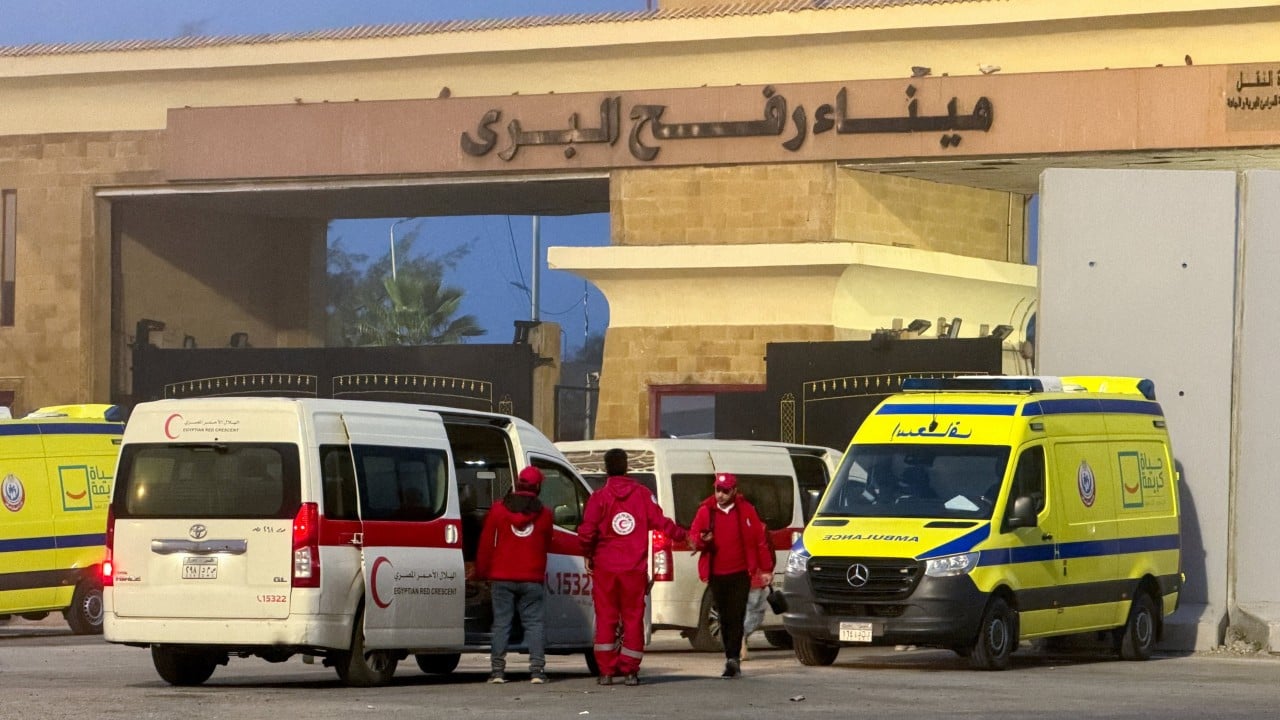
The Rafah crossing is finally set to open this Wednesday. It's a small crack in a wall that's been slammed shut for far too long. Israel confirmed the move, but don't expect a sudden flood of people or supplies. The phrasing used—"limited movement"—is a massive red flag for anyone hoping for a return to normalcy.
If you've been following the chaos in Gaza, you know Rafah isn't just a border point. It's a lifeline. It's the only way out for thousands of injured civilians and the only way in for the trucks that keep people from starving. When this gate opens on Wednesday, it won’t be a free-for-all. It’s a highly controlled, high-stakes diplomatic maneuver that leaves more questions than it answers.
People are exhausted. They're looking for a way to get their families to safety or simply to get a decent meal. The reality on the ground is that "limited" usually translates to "agonizingly slow." We've seen this play out before. A few hundred people might get through, mostly foreign nationals or those with dual citizenship, while the vast majority of Palestinians remain stuck in what has become a pressure cooker.
Why the Wednesday Timeline Matters
Timing in geopolitics is never an accident. Opening the crossing on Wednesday follows weeks of intense pressure from the international community and specific negotiations involving Egypt, Israel, and the United States. You have to wonder why now.
Israel’s control over the flow of goods and people has been a central pillar of its military strategy since the conflict escalated. By agreeing to this "limited" opening, they're throwing a bone to allies who are increasingly vocal about the humanitarian disaster. But let’s be real. Opening a single gate for a few hours doesn't fix a broken system. It’s a band-aid on a gaping wound.
The logistics of this opening are a nightmare. You have thousands of people huddled near the border, sleeping in tents, waiting for a name on a list they can’t even see. When that gate swings open, the desperation is going to be palpable. Security forces on both sides of the border are bracing for it. If things get rowdy or if there’s a security breach, you can bet that "limited movement" will turn into a "temporary closure" faster than you can blink.
The Reality of Limited Movement
What does "limited movement" actually look like? In the past, this has meant a pre-approved list of names. If your name isn't on that list, you're not moving. Usually, the priority goes like this:
- Foreign passport holders and dual citizens.
- Critically injured patients who can't be treated in Gaza’s decimated hospitals.
- Specific humanitarian workers.
If you’re a regular resident of Gaza with no "special" status, Wednesday probably won’t change your life. That’s the hard truth. The gate exists, but it’s not for everyone.
The Egyptian side of the border at Arish is already packed with aid. We’re talking tons of flour, medical kits, and fuel. The bottleneck hasn't just been the physical gate; it’s the inspection process. Israel insists on vetting every single item to ensure nothing reaches the hands of militants. It’s a slow, grinding process that happens miles away from the actual crossing, adding layers of bureaucracy to an already desperate situation.
The Egyptian Dilemma
Egypt is in a tough spot here. They want to help, but they’re terrified of a mass exodus. If hundreds of thousands of Palestinians cross into the Sinai Peninsula, it creates a permanent refugee crisis that Egypt isn't prepared to handle—politically or economically.
President Abdel Fattah el-Sisi has been firm. He’ll facilitate aid and allow some people out for medical reasons, but he’s not opening the floodgates. This "limited movement" agreement is likely the only way Egypt agreed to cooperate. They need to show they're supporting their Palestinian neighbors without compromising their own national security. It’s a tightrope walk over a pit of fire.
Who Actually Gets Out
I've talked to people who have spent weeks trying to get their names on the evacuation lists. It’s a process shrouded in mystery. Sometimes it’s about who you know. Sometimes it’s about which embassy is screaming the loudest.
For the injured, the situation is even more dire. Gaza's healthcare system has basically collapsed. If you need complex surgery or long-term care, you’re out of luck unless you get through that gate. But even then, where do you go? Egyptian hospitals are prepping, but they have their own limits.
This isn't just about a border crossing. It’s about the right to survive. When we talk about "limited movement," we’re talking about choosing who lives and who stays in a war zone. That’s a heavy burden for any official to carry, and the lack of transparency only makes the frustration grow.
The Security Factor
Israel isn't doing this out of the goodness of its heart. Every person and every truck that crosses is a potential security risk in their eyes. The Israeli Defense Forces (IDF) have made it clear that they'll monitor the situation closely.
If there’s any sign that the crossing is being used to smuggle weapons or if militants try to blend in with the civilian crowd, the deal is off. This creates a high-pressure environment for the people waiting to cross. One person’s mistake could ruin it for everyone.
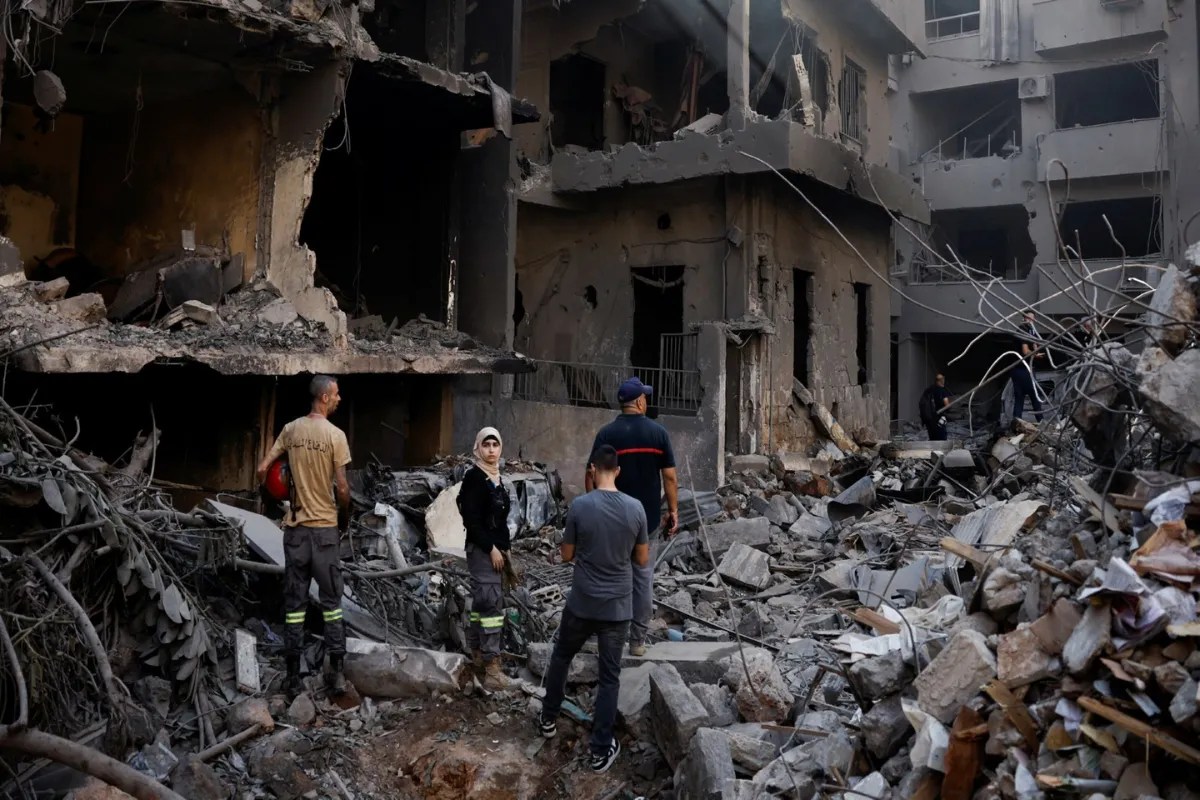
We also have to consider the aerial situation. Drones and surveillance are constant. The area around the Rafah crossing has been hit by strikes in the past, often targeting what Israel claims are underground tunnels or militant infrastructure. This makes the "safe passage" feel anything but safe. You’re standing in a line, hoping to get out, while knowing that the ground beneath you could be a target.
What to Watch for on Wednesday
When Wednesday rolls around, don’t just look at the headlines saying the border is open. Look at the numbers.
- How many trucks actually cross?
- How many individuals are processed per hour?
- Is the fuel being allowed through?
Fuel is the big one. Without it, hospitals can't run generators, and water desalination plants stop working. Israel has been extremely hesitant to allow fuel through Rafah because it’s a "dual-use" item. But without it, the humanitarian aid is basically useless. You can have all the flour in the world, but if you can’t bake bread or transport it to the people who need it, it’s just bags of dust.
The Role of International Observers
There’s talk of bringing back international monitors to the Rafah crossing, similar to the 2005 agreement. Back then, European Union observers were stationed there to ensure things ran smoothly and fairly. Reinstalling a system like that could build trust, but it’s a logistical nightmare to set up in the middle of an active conflict.
Without neutral eyes on the ground, we’re left with "he-said, she-said" reports from both sides. Israel will say they’re doing everything they can. Hamas will say the border is still effectively closed. The truth, as always, is somewhere in the messy middle.
The Long Road Ahead
Opening the Rafah crossing for a day or two—even if it stays open for a few hours daily—is a tiny step. It’s better than nothing, but it’s nowhere near enough. The scale of the need in Gaza is astronomical.
To actually make a dent in the suffering, we need a permanent, high-volume corridor. We need a system that doesn't rely on the whims of a weekly negotiation.
If you’re looking for what to do next, keep your eyes on the official lists released by the border authorities and embassy updates. For those with family in the region, ensure all documentation is digital and physical. The paperwork is often the only thing standing between someone and a seat on a bus out of the zone. Stay informed through boots-on-the-ground reporting rather than just official press releases. The gap between what's promised on Tuesday and what happens on Wednesday is usually where the real story lives.