The escalation of Israeli kinetic operations against Hezbollah in Lebanon represents a shift from reactive border management to a systematic degradation of non-state military infrastructure. While media reports focus on the immediate death toll—surpassing 800 individuals—the underlying strategic logic is found in the "Decapitation and Denudation" framework. This involves the simultaneous removal of command layers and the physical destruction of medium-to-long-range missile assets embedded within civilian topography.
The Three Pillars of Israeli Kinetic Strategy
The current campaign operates on three distinct but synchronized layers of military pressure. Each layer is designed to solve a specific tactical bottleneck that has persisted since the 2006 conflict.
1. Command Chain Disruption
The initial phase targeted the neurological center of Hezbollah’s elite units. By neutralizing senior commanders of the Radwan Force, Israel aims to create a "command vacuum." In hierarchical military structures, the loss of mid-to-high-level officers leads to delayed response times and a breakdown in coordinated maneuvers. This disruption forces decentralized units to operate in isolation, reducing the effectiveness of large-scale rocket barrages which require synchronized timing to overwhelm Iron Dome and David’s Sling interceptors.
2. Deep-Storage Liquidation
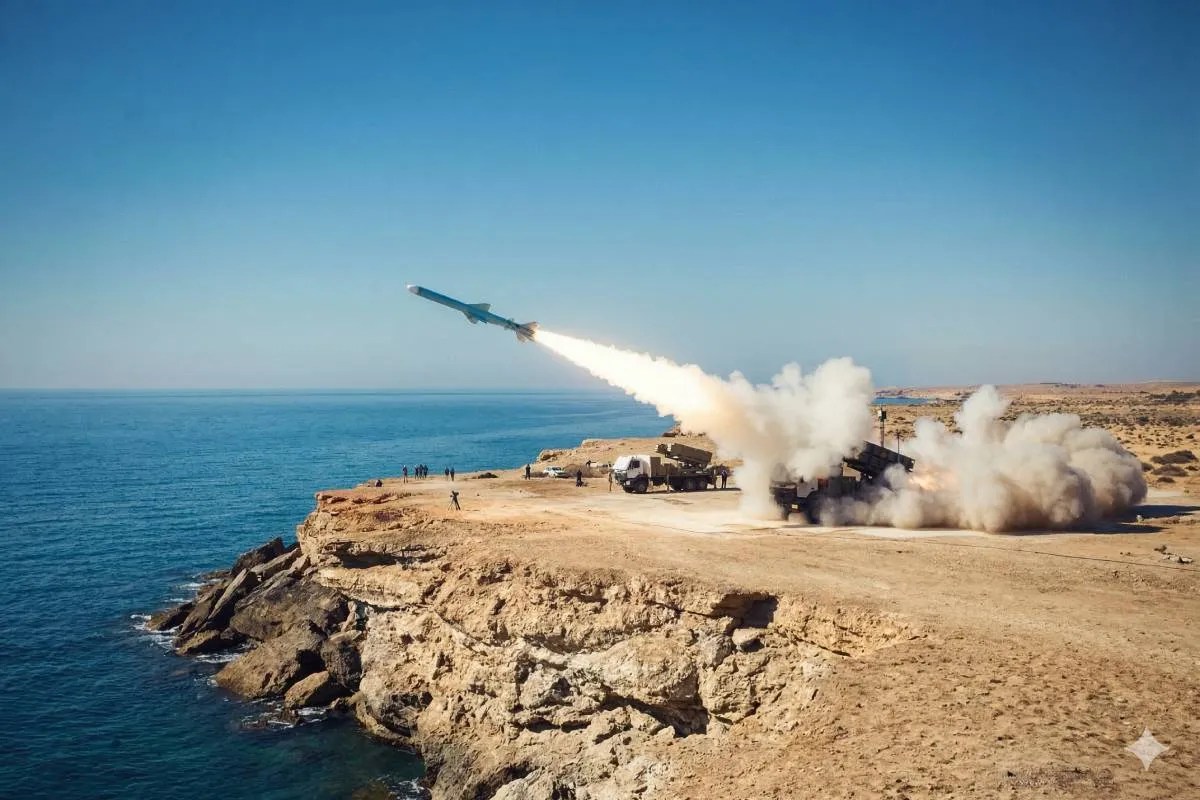
Unlike conventional armies that house munitions in isolated bases, Hezbollah utilizes a "distributed storage" model. Weapons are integrated into private residences and underground bunkers in the Bekaa Valley and Southern Lebanon. The current Israeli air campaign utilizes high-penetration munitions to target these specific GPS-coordinated nodes. The objective is not just the destruction of the missiles themselves, but the exhaustion of the logistics network required to move them to launch sites.
3. Psychological and Geographic Cleansing
By establishing a "fire belt" along the border, the Israeli Defense Forces (IDF) are attempting to force a geographic separation between Hezbollah’s forward-deployed anti-tank missile teams and the Israeli northern communities. The return of approximately 60,000 displaced Israeli citizens is the primary political metric for success; however, achieving this requires the physical rendering of Southern Lebanon as an untenable zone for Hezbollah’s heavy weaponry.
The Cost Function of Modern Urban Warfare
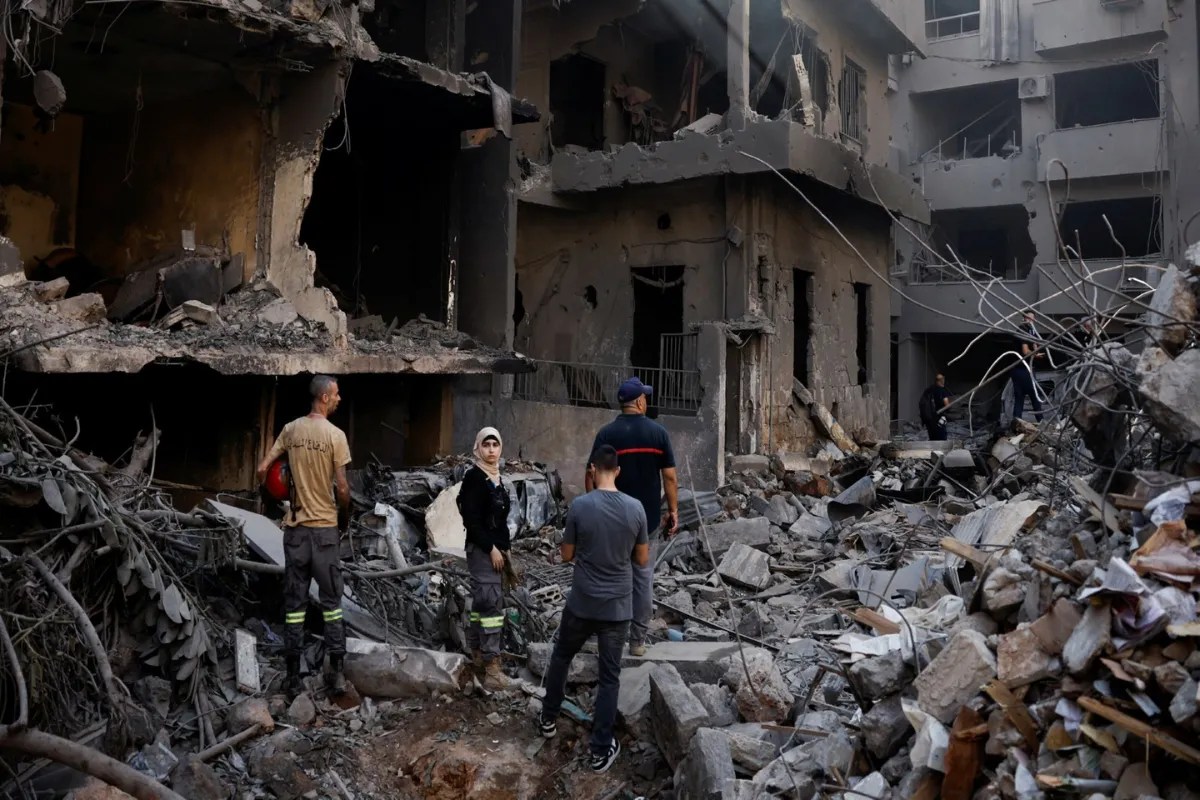
The humanitarian impact, characterized by over 800 fatalities and thousands of injuries, is a direct byproduct of the "Collateral Probability vs. Tactical Necessity" equation. When high-value military assets (such as cruise missiles or long-range rockets) are stored in high-density residential areas, the probability of civilian casualties scales linearly with the intensity of the strike.
The Mechanism of Displacement
Mass migration from Southern Lebanon toward Beirut and the north serves as a dual-purpose variable:
- Operational Clarity: Emptying a combat zone allows for a "free-fire" environment, reducing the legal and ethical constraints on air assets.
- Resource Strain: The sudden influx of hundreds of thousands of internally displaced persons (IDPs) places immense pressure on the Lebanese state infrastructure, which is already in a state of near-collapse. This internal pressure is intended to create a domestic political backlash against Hezbollah’s decision to maintain a "support front" for Gaza.
Asymmetric Escalation and the "No-Win" Loop
The conflict is currently trapped in a cycle of asymmetric escalation. Hezbollah’s strategy relies on "Steady-State Harassment"—using enough force to keep the border active but not enough to trigger a full-scale ground invasion. Conversely, Israel has moved to "Preemptive Degradation," where they no longer wait for a provocation to strike high-value targets.
The Missile Inventory Variable
The primary unknown in this equation is the "Saturation Threshold." Hezbollah is estimated to possess between 120,000 and 150,000 projectiles. The current air campaign, while intense, has likely only neutralized a low double-digit percentage of this total. The bottleneck for Hezbollah is not the number of rockets, but the number of viable launch platforms and the personnel to operate them under constant surveillance from Unmanned Aerial Vehicles (UAVs).
Structural Vulnerabilities in the Lebanese State
The failure of the Lebanese Armed Forces (LAF) to intervene highlights a fundamental structural weakness: the "Dual-Sovereignty Paradox." Lebanon possesses the formal trappings of a state but lacks the monopoly on the use of force.
- Fiscal Paralysis: The Lebanese economy cannot support a sustained war effort or even a basic civil defense response.
- Ethnic Fragmentation: The Lebanese population is divided on the necessity of the conflict, with many viewing the current escalation as a catastrophic spillover of a regional proxy war that offers no tangible benefit to Lebanon’s national interest.
Technical Limitations of Aerial Supremacy
While Israel maintains total air superiority, history indicates that airpower alone rarely achieves the total elimination of a subterranean guerrilla force. The "Law of Diminishing Returns" applies to air strikes; once the obvious, high-signature targets are destroyed, the remaining assets are harder to find and more expensive to strike.
The transition from an air-only campaign to a limited ground incursion remains the highest-risk variable. A ground operation would negate the technical advantages of the Israeli Air Force (IAF) and force the IDF into high-attrition, close-quarters combat where Hezbollah’s home-field knowledge provides a tactical hedge.
Strategic Forecast: The Buffer Zone Mandate
The path forward hinges on the enforcement of a modified version of UN Resolution 1701. However, diplomatic solutions currently lack an enforcement mechanism that Hezbollah respects.
The most probable strategic trajectory is the establishment of a "Kinetically Enforced Buffer Zone." Israel will likely continue high-frequency strikes to prevent any reconstruction of Hezbollah’s forward positions. This does not require a permanent ground presence but demands a permanent intelligence and strike presence. For Hezbollah, the choice is between a strategic retreat behind the Litani River—damaging their prestige—or a continuous degradation of their middle-management and missile stockpiles.
Expect a pivot toward targeting Hezbollah’s financial nodes (Al-Qard al-Hasan) and fuel supply lines from Syria. By shifting the target set from purely military to "dual-use" economic infrastructure, Israel seeks to make the cost of the conflict unsustainable for Hezbollah’s social base. The survival of Hezbollah as a dominant political force now depends on their ability to absorb these losses without losing their grip on the Lebanese domestic narrative.
Would you like me to analyze the specific economic impact of these strikes on the Eastern Mediterranean energy corridor?