Scotland's top police officer confirmed what royal watchers and legal observers feared for months. Police Scotland is actively examining information alleging that Jeffrey Epstein trafficked women onto King Charles III's private Balmoral estate in Aberdeenshire.
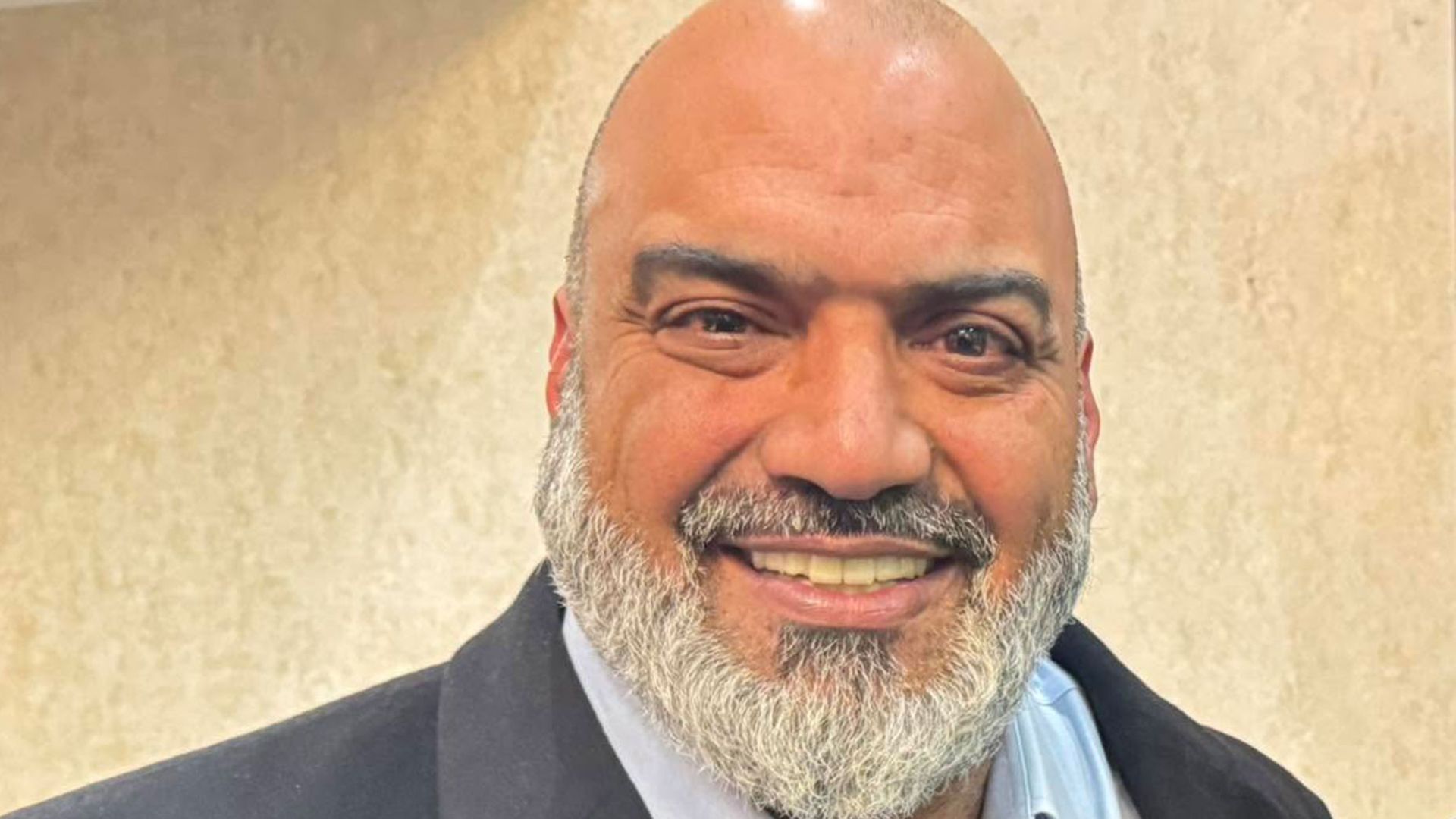
Chief Constable Jo Farrell broke the force's silence during a broadcast interview on November 19, 2026. When pressed directly on whether detectives were reviewing trafficking claims involving Epstein and former Prince Andrew Mountbatten-Windsor at the Scottish Highlands property, she gave a careful, measured confirmation. Authorities are assessing the material. They haven't yet declared whether this review will escalate into a full-blown criminal prosecution, and no allegations have been tested in court. For a closer look into similar topics, we recommend: this related article.
Most news outlets are treating this as just another tabloid royal scandal. That's a mistake. Having followed cross-border trafficking inquiries and UK jurisdictional overlaps for years, I can tell you the legal mechanics here are far more significant than the gossip.
Why Balmoral Changes Everything for UK Law Enforcement
For years, the Epstein fallout in Britain centered around London townhouses, Metropolitan Police jurisdictional boundaries, and civil lawsuits settled across the Atlantic. Moving the focus to Aberdeenshire alters the legal equation entirely. For broader background on this development, comprehensive reporting can also be found at TIME.
Scotland operates under its own distinct legal system, separate from England and Wales. Police Scotland is the largest police force in the UK outside of London, and it answers to the Crown Office and Procurator Fiscal Service rather than the Crown Prosecution Service. When Chief Constable Jo Farrell speaks publicly about an "examination" of evidence, she is signaling that Scottish detectives are independently verifying whether crimes occurred on Scottish soil.
What Police Scotland Actually Said
Precision matters in criminal procedure. On October 30, 2026, Police Scotland initially acknowledged receiving information regarding Mountbatten-Windsor's stays at Balmoral, describing their work as standing at a "very early stage". Three weeks later, Farrell stepped in front of cameras to clarify the scope.
- The Scope: Detectives are reviewing specific intelligence about women allegedly brought to the royal residence by Epstein.
- The Timeline: No public deadline exists for when this preliminary assessment will conclude.
- The Threshold: Officers are determining whether the incoming files meet the evidential standard required to launch formal criminal charges.
Farrell told reporters that once officers finish assessing the material, they will decide on next steps and share updates when legally permissible. Notice what she didn't say. She didn't dismiss the claims as historic noise, and she didn't pass the buck to London.
The 1999 Balmoral Visit and the DOJ Document Dump
Why are Scottish police examining events from over two decades ago right now? The answer lies in the massive tranche of Jeffrey Epstein files unsealed and released by the U.S. Department of Justice.
Those federal releases didn't just rehash old flight logs. They surfaced concrete visual and documentary evidence tying Epstein and his convicted accomplice, Ghislaine Maxwell, directly to the Aberdeenshire estate.
Photographs at the Log Cabin
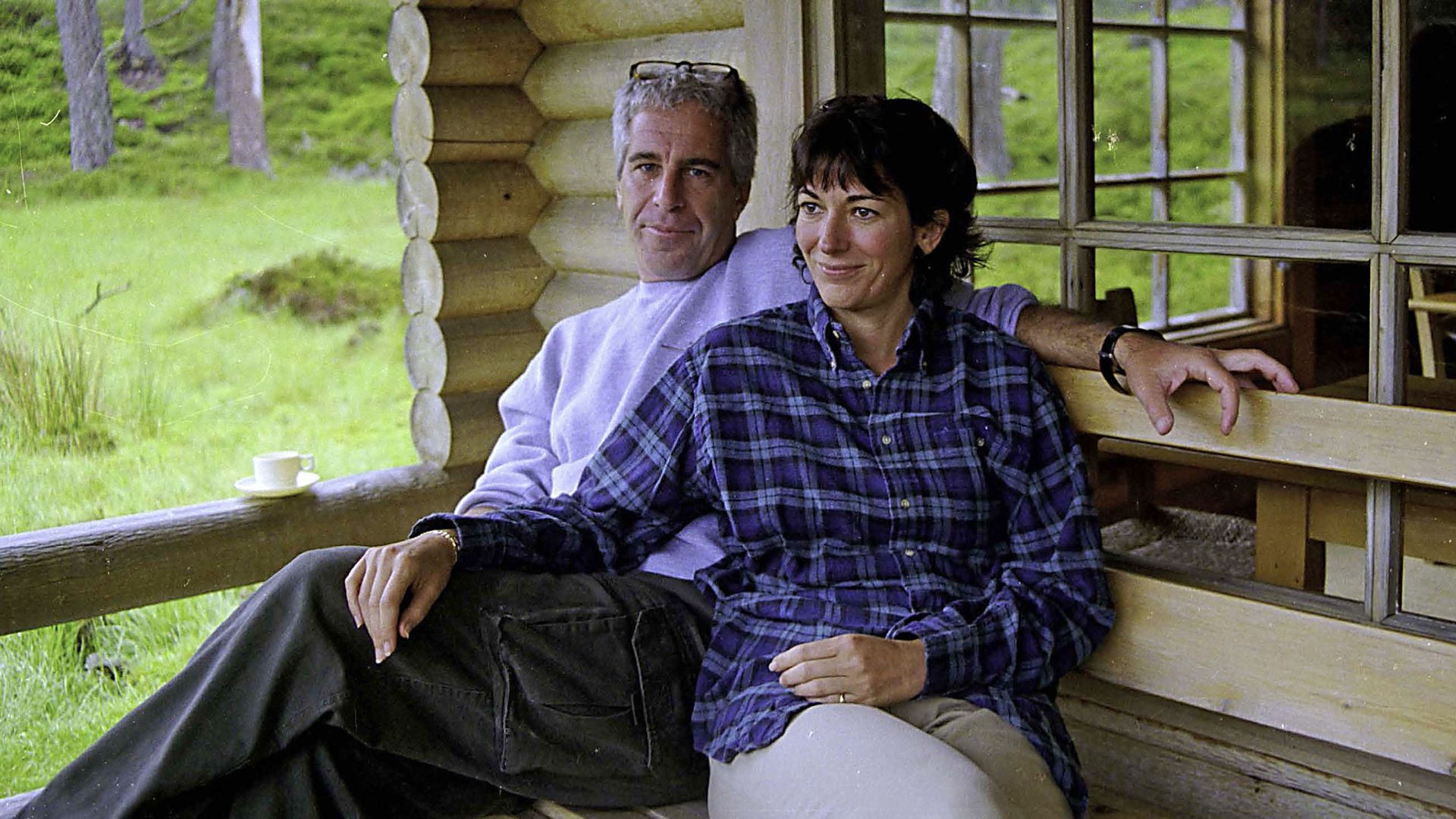
Among the materials highlighted in court filings and DOJ disclosures are photographs showing Epstein and Maxwell relaxing on the Balmoral grounds during a 1999 shooting trip. One widely circulated image from the U.S. District Court for the Southern District of New York shows the pair seated together at a log cabin on the estate.
They weren't trespassing. They were invited guests of Andrew, who at the time was still a senior working member of the British royal family.
The "Balmoral Summer Camp" Email
Documents released in December 2025 added another layer to the timeline. Those files included an August 2001 email sent to Maxwell from an account using the initial "A". The sender wrote casually about being up at "Balmoral Summer Camp for the Royal Family".
While an email mentioning a summer stay isn't proof of a crime on its own, investigators use these digital breadcrumbs to lock down dates. Once you establish exact dates when specific individuals occupied a private residence, cross-referencing travel records, immigration entries, and witness statements becomes dramatically easier.
The FBI Interview Clue
Reporting surrounding the U.S. federal files also revealed details from an FBI witness interview involving a woman allegedly trafficked to Balmoral by Epstein. In those records, she was described as a "travelling massage therapist".
Anyone who has studied the Maxwell trial transcripts recognizes that exact job description. Epstein and Maxwell routinely recruited young women under the guise of legitimate massage therapy work before moving them across borders and private estates. Seeing that same operational pattern surface in connection with a Scottish royal property gave investigators a clear thread to pull.
How the 2026 Escalation Hit Former Prince Andrew
To understand why Police Scotland's announcement landed with such force, you have to look at the broader collapse of Andrew Mountbatten-Windsor's legal insulation throughout 2026.
The former Duke of York stepped back from public duties back in 2019 after his disastrous BBC Newsnight interview, and he later relinquished his royal titles and honors. For years, many assumed public disgrace was the worst consequence he would ever face in Britain. That assumption fell apart in early 2026.
- Eviction from Royal Lodge: Following the U.S. Justice Department document releases, Mountbatten-Windsor moved out of Royal Lodge in Windsor, his longtime residence.
- February 2026 Arrest: On his 66th birthday in February, police arrested him on suspicion of misconduct in public office tied to allegations he shared confidential documents with Epstein. King Charles responded publicly at the time with a stark five-word statement: "The law must take its course".
- Multi-Force Scrutiny: Police Scotland isn't operating in a vacuum. Thames Valley Police, the Metropolitan Police, and Surrey Police have all been reviewing separate strands of information pulled from the unsealed Epstein files.
- Civil Witness Summons: In November 2026, a judge cleared the way for Mountbatten-Windsor to receive a witness summons to testify regarding alleged financial payments, making him the first royal in 156 years called in such a manner.
Mountbatten-Windsor has consistently and categorically denied all allegations of wrongdoing connected to Epstein. In 2022, he paid an estimated £12 million settlement to Virginia Giuffre—who had alleged she was trafficked by Epstein and forced to have sex with Andrew at age 17—without admitting liability. Giuffre died by suicide in April 2025, yet the documentary trail left behind in federal archives continues to generate fresh criminal inquiries on both sides of the Atlantic.
What Most People Get Wrong About Royal Estate Investigations
When headlines mention "King Charles's Balmoral estate," readers often jump to two false conclusions. Let's clear both up.
First, King Charles III is not accused of wrongdoing in these inquiries. Balmoral Castle has been privately owned by the British royal family since Queen Victoria and Prince Albert purchased it in 1852. Queen Elizabeth II owned the 50,000-acre estate during Epstein's reported 1999 visit and died there in 2022 at age 96. Ownership passed to Charles upon his accession. The estate is the geographic location under scrutiny, not the current monarch.
Second, royal residences aren't sovereign legal black holes where British police lack authority. While protocols exist around notifying palace security before officers enter a royal property, Scottish criminal law applies fully inside Balmoral's gates. Spencer Kuvin, a U.S. attorney representing several Epstein survivors, publicly urged full institutional transparency in November 2026, warning that no woman coming forward should ever doubt whether detectives will hesitate because of who owns a property.
Why Historic Trafficking Cases Are Hard to Prosecute
Even with FBI interview summaries and 1999 photographs in hand, Police Scotland faces steep legal hurdles.
- Corroboration Rules in Scotland: Unlike England, Scots criminal law traditionally requires corroboration—meaning critical facts in a prosecution generally need support from two independent sources of evidence. A single witness statement, no matter how credible, rarely suffices on its own without supporting flight manifests, visitor logs, security records, or secondary testimony.
- Jurisdictional Boundaries: Trafficking offenses often span multiple countries. Scottish prosecutors must establish that specific criminal acts—such as facilitating travel for sexual exploitation or unlawful detention—occurred within Scottish jurisdiction under the statutes in force at the time.
- Deceased Primary Offenders: Jeffrey Epstein died in a Manhattan jail cell in August 2019 while awaiting trial, and Ghislaine Maxwell is serving a federal prison sentence in the United States. Prosecutors can't put Epstein in a Scottish dock. Any criminal case would have to focus on living accomplices, facilitators, or individuals who committed distinct offenses on Scottish soil.
How to Follow This Investigation Without Falling for Clickbait
Because this story sits at the intersection of true crime, royal intrigue, and unsealed court dumps, misinformation spreads fast on social media. Several AI-narrated YouTube channels and aggregator blogs have already blurred the line between "examining information" and "issuing arrest warrants."
If you want to track where Police Scotland's inquiry actually goes over the coming months, watch three specific indicators rather than anonymous social media threads:
- Formal Escalation Language: Right now, Chief Constable Jo Farrell describes the work as "examining" information at an early stage. Watch for Police Scotland to shift its terminology to a "formal criminal investigation" or confirm they have submitted a report to the Crown Office and Procurator Fiscal Service. That linguistic shift marks the real legal turning point.
- Visitor and Protection Logs: Royal protection officers from London's Metropolitan Police guarded senior royals at Balmoral in 1999. If Scottish detectives formally request historical duty rosters or gate logs from the Met or Buckingham Palace archives, you will know the inquiry has moved past initial triage.
- Cross-Border Mutual Legal Assistance: Because key witness interviews sit inside U.S. Department of Justice and FBI files, watch for formal Mutual Legal Assistance Treaty requests between UK prosecutors and Washington. Detectives can't build a Scottish court case on redacted PDFs downloaded from the internet; they need certified original statements from federal custodians.
Police Scotland has made clear it will not rush its assessment or leak operational details to satisfy public curiosity. Until Chief Constable Farrell's team finishes weighing the documentary record against Scottish evidential standards, every claim remains strictly an untested allegation—and the real story lives in the paper trail between Washington and Aberdeenshire.