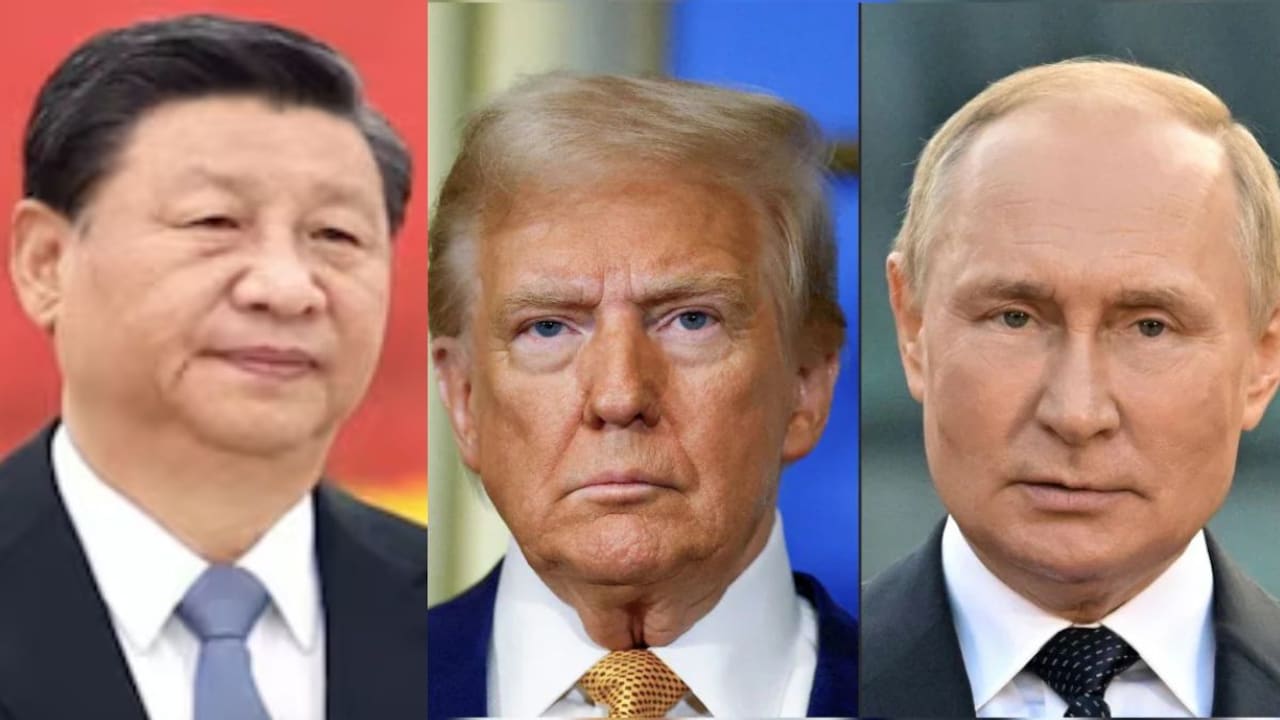
Donald Trump rarely apologizes, and he almost never walks back a signature policy. Yet following the 2026 midterm elections, the President acknowledged that his administration's aggressive US deportation policy had gone "too tough" in certain areas.
It shocked Washington. Honestly, it shouldn't have.
When an administration promises the largest deportation operation in American history, the political math eventually collides with economic and social reality. Voters love tough talk on border security during a campaign. They feel very differently when local restaurants close, construction projects stall, and longtime community members get swept up in workplace raids.
To understand why Trump pivoted after the 2026 midterms, you have to look past the cable news shouting matches. You have to look at what actually happened on the ground between early 2025 and November 2026, how the electorate reacted, and why even hardline strategists realized the approach needed an adjustment.
The Reality Behind the Post-Midterm Pivot
Politics is a numbers game. Always has been.
During the 2024 presidential campaign, hardline immigration enforcement was a winning issue for Republicans. Voters were frustrated by record border crossings during the Biden administration, and Trump offered a clear, uncompromising solution. Once back in the White House in 2025, his team moved fast. They expanded expedited removal, empowered Immigration and Customs Enforcement (ICE) to conduct broader interior sweeps, and rolled back protections that had previously shielded non-violent undocumented workers from immediate detention.
Then came the 2026 midterms.
While border crossings had dropped dramatically—a win the White House touted constantly—the interior enforcement strategy created unexpected political blowback in key swing districts. Suburban voters who backed Trump in 2024 to fix inflation and secure the southern border began seeing viral videos of agricultural workers, hospitality staff, and parents of US-born children being detained miles away from the border.
Exit polling from organizations like the Pew Research Center and Edison Research consistently shows a sharp divide in how Americans view immigration. Most Americans support deporting violent criminals and securing the border. That consensus drops off a cliff when enforcement targets long-term residents with deep community ties and no criminal record.
Trump is an instinctual politician above all else. He reads crowd energy and polling data better than most of the consultants in his orbit. When the midterm results showed Republicans losing ground in crucial suburban districts and among Hispanic voters who had shifted right in 2024, the message was unmistakable. The policy hadn't just hit its intended targets. It had overshot the mark.
Why Interior Enforcement Backfired Economically
You can't remove millions of workers from an economy without feeling the shockwaves. It's basic supply and demand.
Throughout 2025 and 2026, business owners in red and blue states alike began quietly—and then loudly—complaining to Republican lawmakers. The labor shortages hit specific sectors hardest:
- Agriculture and food processing: Farmers in the Midwest and California warned that crops were rotting in fields because seasonal and full-time laborers stopped showing up to work out of fear of ICE checkpoints.
- Construction and housing: Homebuilders already struggling with high interest rates faced severe delays when framing, roofing, and drywall crews vanished overnight.
- Hospitality and service industries: Hotel chains and independent restaurant owners in swing states like Nevada, Arizona, and Pennsylvania saw operating costs spike as they scrambled to fill back-of-house roles.
I've spoken with small business owners in the construction and service sectors who voted for Trump specifically because they wanted lower inflation and less regulation. Instead, they got massive labor disruptions that drove up their payroll costs and forced them to raise prices on consumers.
That's the irony of an overly broad US deportation policy. Voters wanted inflation fixed, yet aggressive interior deportations tightened the labor market in ways that pushed service and food prices higher. Economists at institutions like the Brookings Institution and the Peterson Institute for International Economics had warned about this exact inflationary pressure before the policies even took effect. By late 2026, those theoretical warnings had become kitchen-table realities for everyday voters.
What Trump Actually Meant by Too Tough
When Trump used the phrase "too tough," critics on the left called it a cynical political dodge, while hardliners on the right worried he was going soft. Both sides missed the nuance of what he was actually signaling.
Trump wasn't abandoning border security. He wasn't calling for amnesty or dismantling ICE. Instead, he was acknowledging a failure of targeting and execution.
In any massive enforcement operation, bureaucrats and field agents respond to quotas and political pressure from the top. When the directive from Washington is "maximize deportation numbers," agencies inevitably go after the easiest targets. Finding and arresting hardened gang members takes time, intelligence, and dangerous tactical operations. Showing up at a meatpacking plant or a construction site yields dozens of arrests in a single morning.
That's what happened. To hit aggressive internal metrics, enforcement swung toward low-hanging fruit—people who were easy to find precisely because they were working steady jobs, paying taxes through Individual Taxpayer Identification Numbers (ITINs), and living openly in communities.
By admitting the approach was too tough, Trump gave himself political cover to recalibrate. It allowed him to tell his base that the border was secure while telling business leaders and moderate voters that the administration would refocus on actual criminals rather than the folks building houses and harvesting food.
The Shift in Hispanic and Suburban Voter Sentiment
If you want to understand the 2026 midterm rout, look at the counties that swung back toward Democrats.
In 2024, Trump made historic gains with Hispanic voters, particularly working-class men in places like South Texas, Florida, and urban centers across the Rust Belt. Many of those voters supported tougher border controls because they felt the previous administration had lost control of the situation. They wanted order.
What they didn't sign up for was indiscriminate enforcement that disrupted their own neighborhoods and extended families.
Mixed-status families—households where some members are US citizens and others are undocumented or have temporary legal status—are common across the American Southwest and major metro areas. When enforcement sweeps became broader and less predictable, anxiety surged in these communities. Hispanic voters who had backed Republicans on economic grounds suddenly felt targeted by the administration's rhetoric and enforcement tactics.
Suburban women showed a similar reaction. Polling conducted by KFF and the Kaiser Family Foundation has repeatedly shown that humanitarian concerns weigh heavily on independent and moderate suburban voters. When news broadcasts feature stories of long-time residents being separated from their American-born children, support for mass deportation evaporates fast.
Trump recognized that keeping the GOP competitive heading into the 2028 presidential cycle required stopping that bleeding immediately. You don't win national elections by alienating both suburban moderates and working-class Hispanic voters at the exact same time.
How Immigration Policy Will Likely Change Next
An admission from the Oval Office doesn't automatically rewrite federal regulations, so what does this actually mean for US deportation policy going forward?
Expect a quiet, methodical shift in enforcement priorities rather than a splashy legislative overhaul. Congress remains deeply divided, and passing comprehensive immigration reform is still a heavy lift. Instead, the changes will happen through executive guidance at the Department of Homeland Security (DHS).
First, look for new prosecutorial discretion guidelines. DHS can instruct ICE field offices to deprioritize non-criminal cases, especially individuals who have lived in the US for more than five or ten years, have US citizen dependents, or work in critical economic sectors. They won't call it an "amnesty" or a "pause"—that would trigger a revolt from conservative media. They'll frame it as "smart enforcement" and "resource allocation" aimed at targeting violent threats and national security risks.
Second, expect renewed discussions around targeted work permits and seasonal visa expansions. Agricultural lobbies and the US Chamber of Commerce have been pushing hard for expanded H-2A and H-2B visa programs. If the administration can pair tough border enforcement with a legal, tightly regulated pathway for essential workers, it solves the labor shortage without looking weak on security.
Third, the rhetoric from the White House will change. Notice how quickly messaging shifts in Washington once the President sets a new tone. Cabinet officials who spent two years bragging about raw deportation numbers will suddenly start emphasizing the percentage of deportees with serious criminal convictions.
What You Should Watch For Moving Ahead
If you're following how this policy shift plays out—whether for business planning, legal compliance, or simply staying informed—don't get distracted by partisan cable news commentary. Watch the concrete metrics and official directives instead.
Keep an eye on monthly ICE enforcement and removal statistics published by DHS. Specifically, look at the breakdown between "criminal" and "non-criminal" interior arrests. If the administration is genuinely pulling back from overly aggressive sweeps, you'll see non-criminal interior arrests drop sharply over the next two quarters while border removals remain steady.
If you run a business in construction, agriculture, hospitality, or manufacturing, review your I-9 compliance and E-Verify procedures now while enforcement is recalibrating. Even when federal priorities soften, paperwork audits remain the easiest way for agencies to penalize employers without staging high-profile raids. Consulting an experienced immigration compliance attorney to audit your hiring records takes a few days and protects your operation from sudden fines or staffing disruptions.
Politicians rarely admit when they've overplayed their hand. When they do, it means the political and economic pressure behind closed doors has become impossible to ignore.