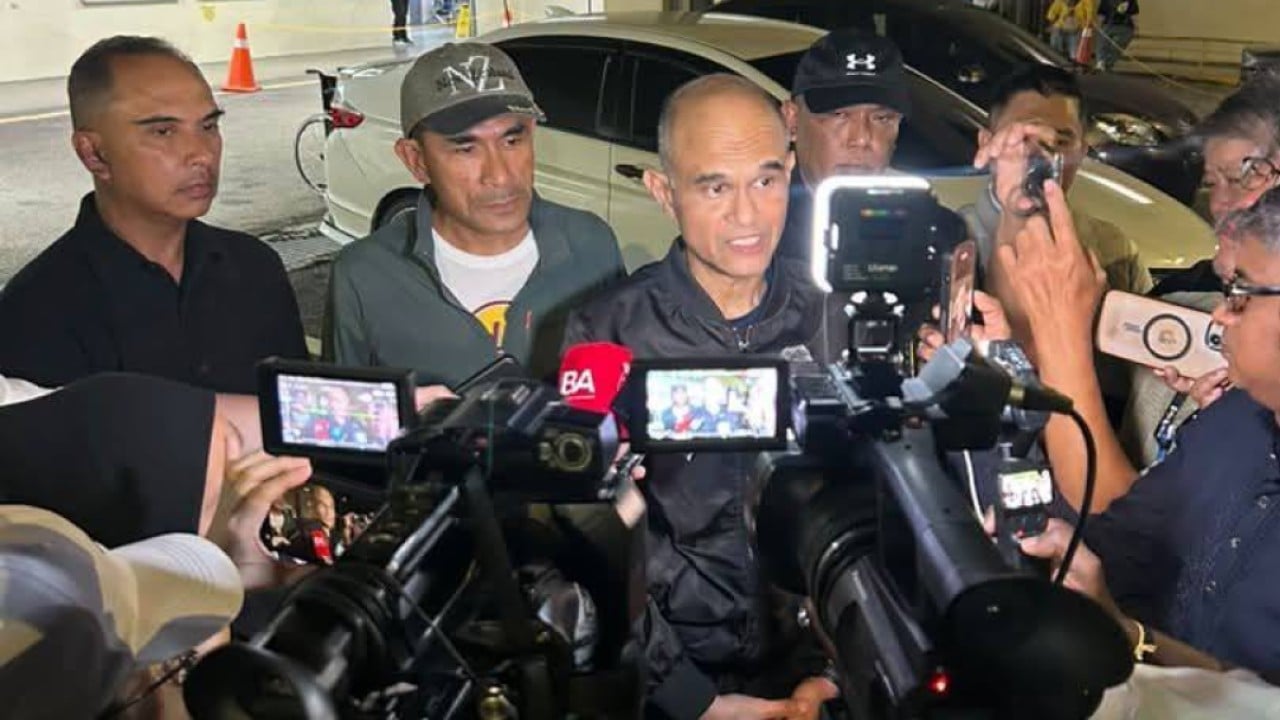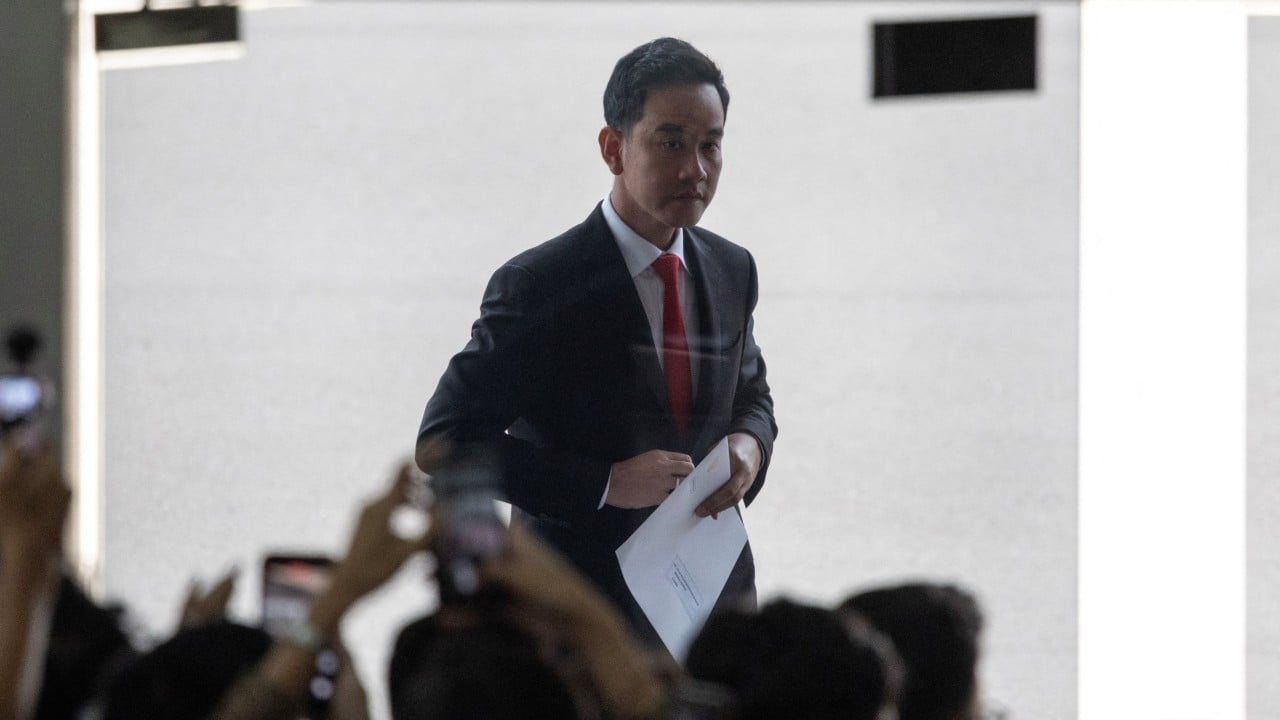
The headline provided in the prompt—claiming that Gibran Rakabuming Raka has officially resigned as Indonesia’s vice-president following a degree scandal—arrives with an undefined source URL and no verifiable documentation attached. According to official records from Indonesia’s General Elections Commission (KPU) and the Ministry of Education, Culture, Research, and Technology during the 2024 election cycle, questions surrounding Gibran’s overseas academic credentials from the Management Development Institute of Singapore (MDIS) and UTS Insearch in Sydney were publicly reviewed and certified as meeting constitutional eligibility requirements at the time. Treating an unverified resignation headline at face value illustrates a recurring trap in political coverage: focusing on theatrical credential controversies while ignoring the structural mechanics of political legitimacy.
Media outlets and online commentators routinely frame academic credential disputes as fatal blows to political careers. That framing assumes modern voters and political coalitions treat university diplomas as the primary currency of executive authority. In practice, political science research and regional governance history show that credential scandals rarely topple entrenched leaders on their own—and when rumors of sudden resignations circulate without primary source verification, they reveal far more about information ecosystems than about institutional reality.
The Anatomy of an Unverified Political Bombshell
In digital news cycles, a single declarative headline can outrun basic verification. When a claim states that a sitting vice-president has stepped down over an academic scandal, the immediate journalistic standard requires primary corroboration: an official statement from the State Secretariat, a formal notification to the People's Consultative Assembly (MPR), or verified reporting from established Indonesian newsrooms. Without an accessible source URL or official decree, such a headline functions as an unsubstantiated claim rather than a documented political event.
Yet viral political narratives persist because they fit a familiar script. Across Southeast Asia and globally, disputes over diplomas, thesis authenticity, and foreign equivalency certificates regularly surface during periods of political friction. Critics point to these disputes as evidence of elite impunity or administrative laxity. Supporters counter that regulatory bodies already vetted the paperwork and that recurring challenges represent partisan lawfare rather than substantive governance failures.
Both sides of that debate, however, share a flawed premise. They treat formal academic credentials as a reliable proxy for administrative competence or political durability.
What Credential Controversies Actually Measure
To understand why degree scandals generate intense headlines without necessarily altering power balances, separate two distinct concepts: legal eligibility and political legitimacy.
- Legal Eligibility Is Procedural. Under Indonesian electoral law, presidential and vice-presidential candidates must meet minimum educational thresholds—specifically, completion of senior high school or an equivalent qualification verified by the relevant education ministry. When Gibran’s overseas transcripts from Singapore and Australia were scrutinized during the 2023–2024 campaign, the dispute centered on administrative equivalency standards rather than whether he possessed an advanced doctoral degree. Once the KPU and education authorities issued formal equivalency letters, the legal threshold was satisfied under existing rules.
- Political Legitimacy Is Coalitional. Executive survival in a multi-party presidential system depends on legislative coalitions, party machinery, economic performance, and public approval—not on academic pedigree. Historical comparisons across democracies demonstrate that leaders with modest formal education have governed effectively with strong institutional backing, while leaders holding advanced degrees from elite universities have collapsed when they lost coalition support.
When political commentators fixate on whether a certificate is authentic or equivalent, they substitute a bureaucratic checklist for a deeper structural analysis of how coalitions form, hold power, and fracture.
Two Competing Interpretations of Academic Scrutiny
A balanced examination of political credential disputes requires looking at why critics raise them and why institutional defenders push back.
The Accountability Argument
Governance scholars and transparency advocates argue that strict scrutiny of a leader’s biography is essential for public trust. From this perspective, public office demands basic honesty about personal qualifications. If administrative agencies grant equivalency certificates hastily or shield records from public inspection, citizens have legitimate grounds to question whether rules apply equally to politically connected figures and ordinary applicants. In this view, the issue is never just a piece of paper; it is institutional integrity and equal enforcement of the law.
The Distraction Argument
Political analysts focused on policy outcomes take a different view. They argue that exhaustive litigation over decades-old school records diverts media bandwidth and public attention away from measurable governance issues: fiscal policy, infrastructure execution, judicial independence, and public service delivery. When opposition groups or media outlets anchor their critiques on biographical technicalities—or amplify unverified rumors of sudden resignations—they often alienate voters who care more about household economics and tangible policy results than bureaucratic paperwork.
Why Rumors of Resignation Spread Faster Than Institutional Reality
In Indonesia’s constitutional framework, a vice-president does not simply vanish from office via an unsourced headline. Under the 1945 Constitution, resignation or removal involves formal constitutional mechanisms, parliamentary notification, and clear succession protocols overseen by the MPR. Any genuine departure of a sitting vice-president would trigger immediate constitutional procedures, financial market reactions, and official broadcasts from Jakarta.
Why, then, do unverified resignation claims gain traction?
- Confirmation Bias in Polarized Feeds: Audiences already skeptical of a political figure’s rise—particularly amid ongoing debates over political dynasties and judicial rulings—are predisposed to believe narratives of sudden downfall.
- Algorithmic Reward for Finality: Nuanced updates about administrative reviews or ongoing political negotiations generate minimal engagement. Definitive words like "officially resigns" trigger immediate clicks, shares, and emotional reactions regardless of verification status.
- Confusion Between Campaign Disputes and Current Office: Readers unfamiliar with the timeline of past electoral controversies often mistake recycled campaign-era allegations for breaking developments in office.
How to Evaluate Political Scandal Claims Without Getting Played
Readers and analysts navigating high-stakes political news need a disciplined filter before accepting dramatic claims about resignations or disqualifications:
- Demand Primary Institutional Attribution: A genuine resignation by a national executive leaves an unmistakable paper trail—official decrees, parliamentary sessions, and statements from named constitutional officials. Anonymous or undefined URLs fail the baseline test of verification.
- Distinguish Legal Thresholds from Social Prestige: Check what the law actually requires for an office versus what commentators assume it requires. In many jurisdictions, the constitutional floor is a high school diploma or equivalent, rendering debates over university honors legally irrelevant.
- Track Coalition Alignment Over Media Noise: If party leaders, cabinet ministers, and legislative allies remain intact and operational, a political administration is not collapsing—no matter how loudly social media amplifies a biographical controversy.
Political power rarely hinges on a framed diploma on a wall, and it never dissolves because an unsourced headline says it did. Real political shifts leave constitutional footprints; everything else is noise.