A name drops. Traffic spikes. Everyone suddenly acts like they solved a mystery.
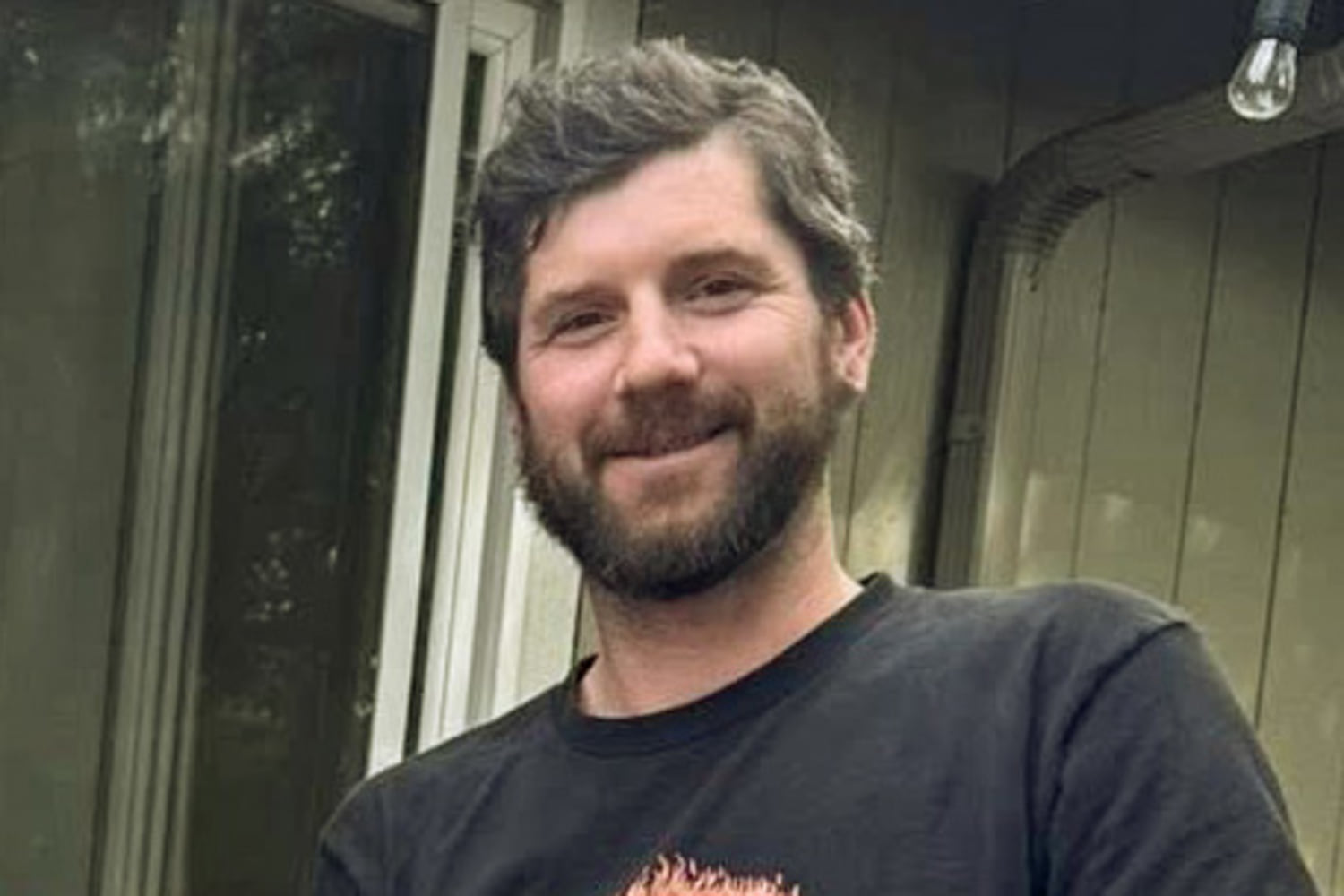
When a brother steps forward to identify the bystander who confronted the gunman at Silver Rail Elementary in Bend, Oregon, the media machine treats it like the plot twist of the week. Headlines chase the reveal. Comment sections argue over motives. Meanwhile, the actual mechanics of how that day unfolded—and why a 36-year-old carpenter named Kaylub Giamanco walked into a building full of gunfire—get flattened into a tidy movie poster.
That is the lazy consensus. Identity sells clicks. Mechanics require work.
The Myth of the Clean "Hero" Reveal
Standard coverage treats a brother's identification of an armed citizen as the climax of the story. Once the name is out, the narrative settles into two predictable camps. One camp crowns the man a flawless action hero. The other camp uses the moment to score points in a tired culture war over guns and school security.
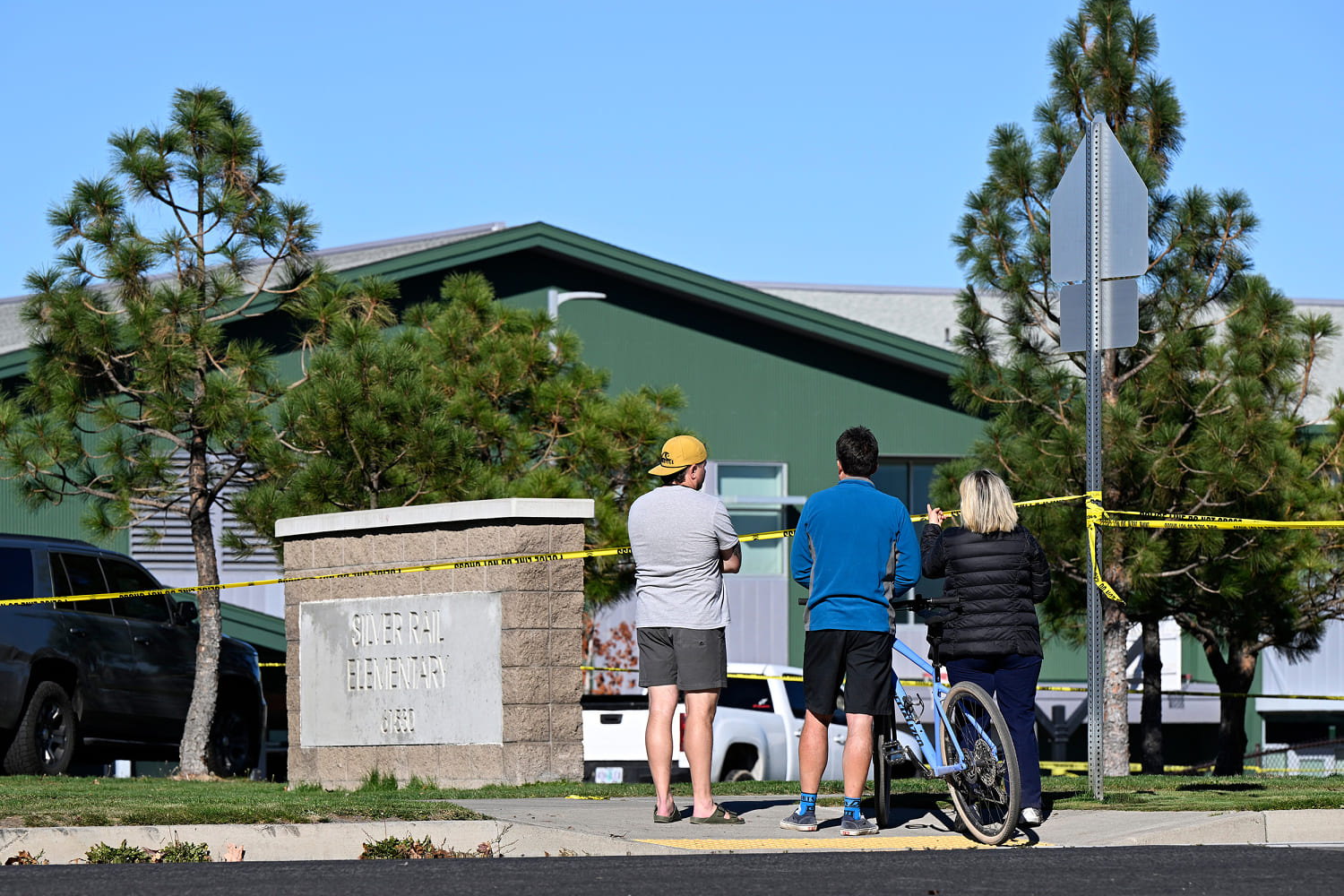
Both sides miss what happened on October 15, 2026, at Silver Rail Elementary.
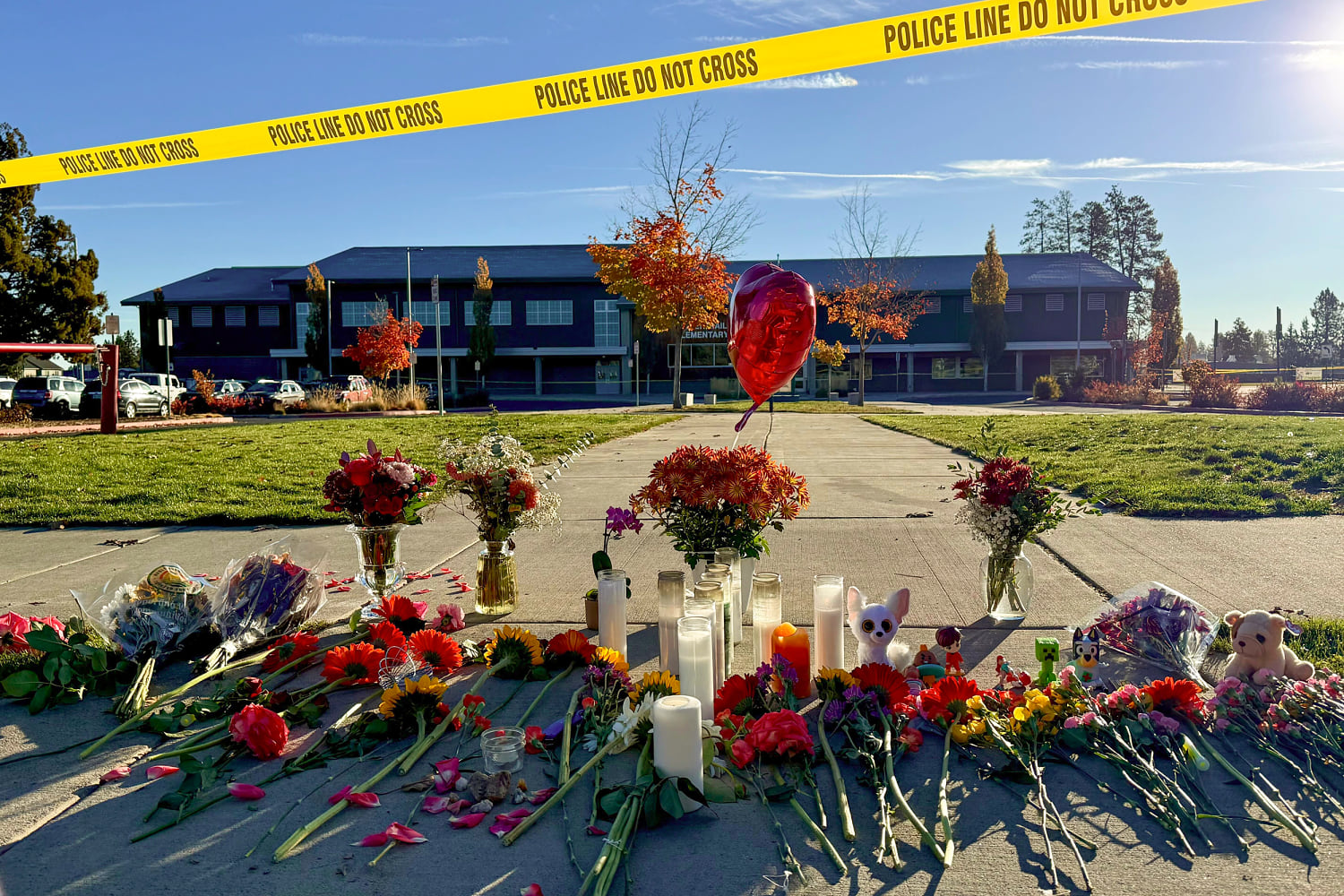
A 16-year-old gunman forced entry into the school in Bend, killing three children—ages 5, 8, and 11—and a 25-year-old teacher, while injuring another student and a teacher. Giamanco happened to be driving by with his two daughters attending the school when he saw the violence start. He called 911, entered the building, confronted the shooter inside a classroom where a teacher had already tried to fight back, and fatally shot him.
Reducing that chain of events to a brother's leak ignores the brutal friction of real-world violence. Real interventions are messy, loud, and terrifying. Even after the threat ended, Giamanco described another teacher running away from him because she did not know whether he was another attacker—an obvious hazard when armed civilians enter an active scene without uniforms or radio coordination.
We Are Asking the Wrong Question About Bystander Interventions
When a bystander stops an active shooter, public debate immediately asks: Should everyday people carry and charge in?
That question is a trap. It frames a chaotic, split-second crisis as a simple yes-or-no policy vote.
The smarter question is different: What fails before a parent has to crawl through shattered glass to save their kids?
Look at the sequence in Bend. A teenager brought a shotgun and extra ammunition to an elementary school and breached locked entry points. Staff inside tried to resist. A passing father with training drills in his background made a snap judgment with his children inside. Three young children and a teacher still lost their lives.
If you treat Giamanco's intervention as proof that "good guys with guns solve everything," you ignore the dead and wounded who were already hurt before he reached the classroom. If you treat his intervention as proof that civilians should never act, you ignore the reality of a father on a 911 line saying his kids' school is under attack and deciding he cannot wait outside.
What Crisis Response Actually Looks Like on the Ground
Having spent years analyzing high-consequence security failures and crisis response protocols, I have watched organizations and communities pour money into theatrical fixes while ignoring basic execution. I have seen institutions buy expensive hardware, write thick binders, and still freeze when doors get breached and alarms ring.
Precision matters here, especially when people throw around terms loosely:
- Active shooter vs. barricaded suspect: An active shooter is actively engaged in killing or attempting to kill people in a populated area, often moving rapidly across rooms. Treating that timeline like a standard hostage negotiation costs precious minutes.
- Force-on-force vs. range shooting: Punching holes in paper at a static range proves nothing about decision-making under adrenaline, auditory exclusion, screaming children, or moving targets.
- Post-event trauma vs. immediate survival: Surviving the gunfight is one threshold. Living afterward with survivor's guilt, intrusive memories, and the weight of taking a life—even a teenager's—is another battle entirely.
In fact, Giamanco himself spoke candidly about feeling haunted by the children he could not save and hearing screams when he closes his eyes. That detail cuts straight through the cartoon version of bravery.
Comparing the Standard Narratives
| Angle | What It Focuses On | What It Misses |
|---|---|---|
| Tabloid / Leak Chase | Who identified the man first and what his family says | Operational timeline, entry points, and classroom dynamics |
| Unconditional Hero Worship | Triumph and quick action | Lives already lost, misidentification risk, and severe psychological toll |
| Blanket Condemnation | Abstract fear of armed citizens | Human panic when a parent hears gunfire near their own children |
The Downsides Nobody Likes to Admit
Taking a hard, unsentimental look at citizen intervention comes with uncomfortable trade-offs—including for anyone who favors faster, more decisive defense.
First, an armed civilian arriving unannounced creates a massive identification problem for responding officers and terrified staff. Police entering a school do not know on sight who holds a handgun legally and who is a second shooter. That split-second ambiguity can get good people shot.
Second, celebrating a single dramatic stop can breed false comfort. A community that feels proud of a fast intervention may rationalize slower upgrades to access control, lockdown drills, or mental health early-warning systems.
Third, even a legally justified, life-saving shot carries steep personal fallout. Legal defense costs, media scrutiny once a relative leaks a name, and long-term trauma do not vanish because the press calls someone a savior.
Imagine a scenario where a school district relies on the hope that a skilled parent happens to drive past at the exact right minute. That is not a security system. That is a coin flip.
What Schools and Communities Should Actually Do Next
Forget arguing over who leaked the name. Do the unglamorous work that reduces vulnerability before a crisis starts:
- Audit physical access points like an adversary. Test how easily a determined attacker can defeat glass, latches, or exterior doors—not just whether a sign says the building is locked.
- Drill clear, rehearsed classroom actions. Staff and students need muscle memory for barricading, moving out of sight lines, and communicating exact room locations to dispatchers.
- Build real communication bridges with local law enforcement. Shared maps, live camera feeds where permitted, and joint tabletop exercises shave critical seconds off response times.
- Plan for aftermath care immediately. After any violent incident, first responders, teachers, witnesses, and any intervening citizen need structured trauma support right away—not months later when burnout sets in.
Names fade from the news cycle fast. Hardened doors, rehearsed plans, and honest accountability are what stay standing.