Fatal overdoses linked to fentanyl inside college residence halls expose a collision between synthetic opioid contamination, alcohol-facilitated sexual assault, and campus housing policies built for an older era. When a young student dies in a dorm room after being drugged with fentanyl and assaulted, the tragedy rarely stems from a single isolated impulse. It points to systemic blind spots in how universities manage access control, toxicology response, substance risks, and institutional accountability.
Over decades of covering municipal policing, public health investigations, and campus oversight, a clear pattern emerges whenever a high-profile tragedy hits a university. Headlines focus immediately on shock and grief. Institutional press releases follow with promises of counseling resources and review committees. Yet the structural conditions that allowed a lethal dose of illicit synthetic opioids to enter a locked or semi-porous residence hall often remain unexamined.
Why Fentanyl Changes Campus Toxicology and Risk
Fentanyl is a synthetic opioid roughly fifty times stronger than heroin and up to one hundred times stronger than morphine by weight. That potency is not an abstract chemical footnote. In illicit drug markets, microgram-level variations separate intoxication from respiratory arrest.
When a perpetrator spikes a drink or offers counterfeit pills laced with fentanyl to incapacitate a victim, the margin for error drops to zero. Unlike traditional sedatives or alcohol alone, high-potency opioids depress the central nervous system so rapidly that breathing can slow or stop before a victim even realizes the substance has taken hold. Combining fentanyl with alcohol or other depressants compounds that risk sharply, as both suppress respiration and dull protective reflexes.
Campus environments carry distinct vulnerabilities that amplify this danger. College students frequently experiment with substances in social settings where pills or powders are shared informally rather than purchased through predictable channels. Counterfeit tablets pressed to resemble familiar prescription medications or party drugs circulate widely across urban and suburban campuses alike. A student who believes they are taking a mild stimulant, pain reliever, or sedative may be ingesting illicit fentanyl without any warning.
Toxicology investigations in suspected drug-facilitated crimes also face practical hurdles. Standard hospital panels do not always screen for every synthetic analog unless specifically ordered or pursued through forensic postmortem testing. Furthermore, victims who survive an assault after being drugged often delay seeking medical evaluation out of fear, confusion, or memory gaps, allowing substances to clear the bloodstream before comprehensive testing occurs.
Dormitory Access Control and the Illusion of Safety
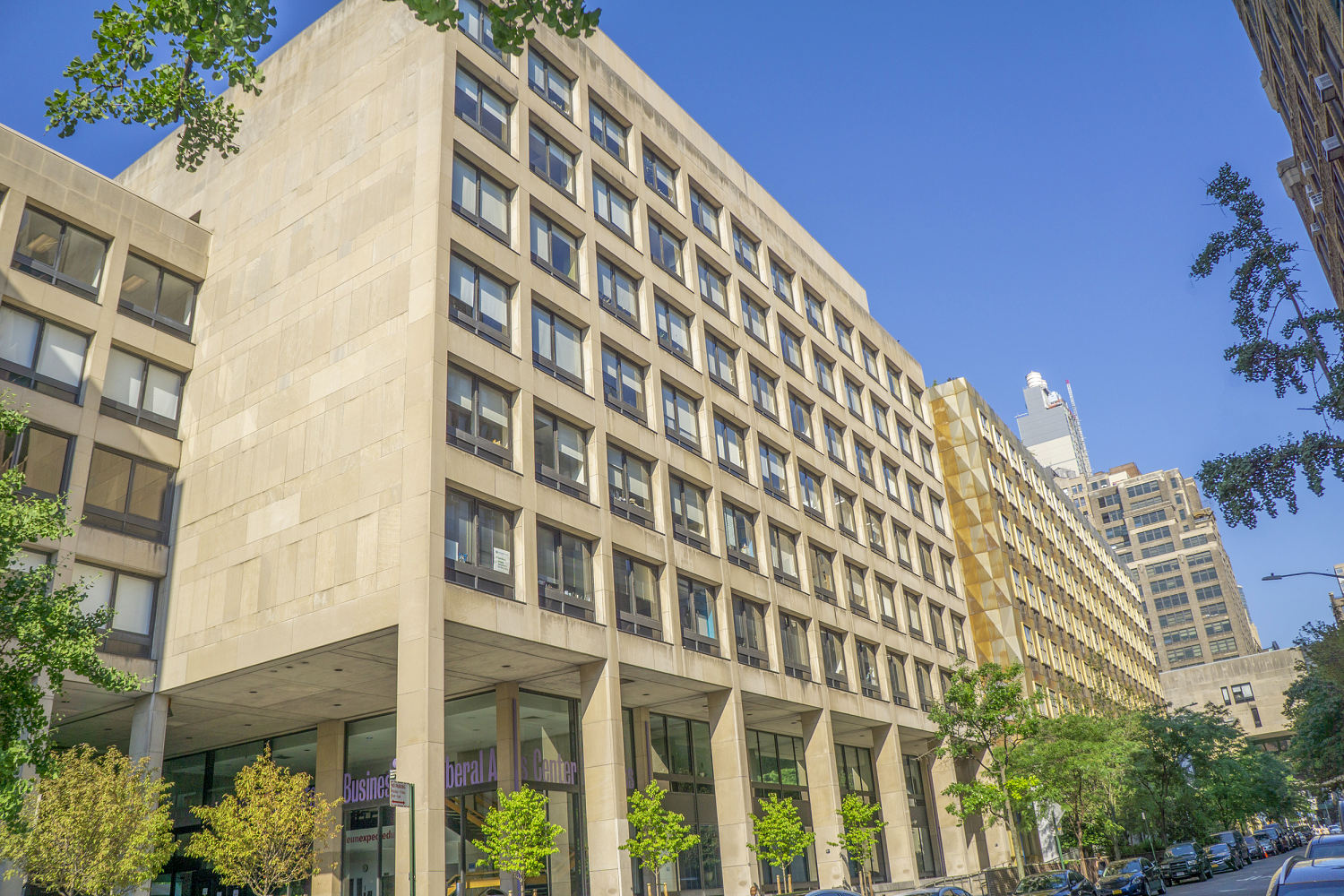
Residence halls in major cities like New York operate under a delicate balance between student independence and building security. Swipe cards, turnstiles, front-desk sign-ins, and camera networks create an expectation of safety. Parents tour spotless lobbies and hear assurances about twenty-four-hour coverage.
In reality, physical security measures have limits that policy brochures rarely highlight. Tailgating behind another resident remains common. Guest sign-in rules are inconsistently enforced during busy nights or weekends. Resident assistants are students themselves, trained in peer support and basic protocol rather than criminal investigation or emergency medical triage.
Consider a hypothetical scenario to illustrate how routine gaps compound into catastrophe. Imagine a sophomore living in a high-rise residence hall in Manhattan. A guest enters the building during a busy evening rush when front-desk staff are checking deliveries or assisting multiple students at once. Later that night, inside a private room, a drink is laced with an illicit opioid to induce incapacitation prior to a sexual assault. Because the encounter occurs behind a closed door among individuals who either know each other or gained entry through social trust, exterior access logs show nothing out of the ordinary until an emergency call goes out hours later.
That hypothetical mirrors the structural mechanics investigators look for in real cases. A swipe card records entry at a turnstile. It cannot see what happens inside a single room, nor can a front desk monitor every hallway interaction across a building housing hundreds of students.
The Intersection of Drug-Facilitated Assault and Institutional Response
Sexual assault facilitated by incapacitating drugs presents unique evidentiary and institutional challenges. When a victim is heavily sedated or unconscious, consent is legally impossible, yet proving what occurred inside a private space often hinges on fragmented accounts, digital messages, surveillance footage from common areas, and forensic toxicology.
When an assault ends in death from fentanyl poisoning, the case shifts simultaneously into a homicide or manslaughter investigation and a public health inquiry. Law enforcement must determine how the fentanyl was obtained, whether it was intentionally administered to incapacitate, and what role third parties played before, during, or after the medical crisis.
Universities face a parallel set of pressures. Institutions must balance cooperation with police investigations against federal and state privacy rules, student conduct procedures, and reputational risk. Historically, some colleges have treated substance incidents primarily through disciplinary lenses rather than harm-reduction and rapid-response frameworks. Fear of disciplinary sanctions or parental notification can deter students from calling for help when a peer becomes unresponsive.
Harm Reduction Versus Disciplinary Fear
Public health experts widely note that punitive policies often backfire in high-risk environments. If students worry they will face housing removal or conduct charges for possessing alcohol or illicit substances, they may hesitate to summon emergency services immediately when someone passes out.
In opioid overdoses, minutes matter. Naloxone, an opioid antagonist that can temporarily reverse respiratory depression caused by fentanyl, has become a cornerstone of community overdose response. Yet availability, staff training, and clear student familiarity with where rescue medications are kept vary dramatically from campus to campus.
A counter-argument raised by some administrators and critics is that normalizing naloxone or distributing testing supplies could send mixed messages about drug tolerance on campus. That debate misses the operational reality on the ground. Carrying a fire extinguisher does not encourage arson, and stocking rescue medication does not endorse illicit drug use. When synthetic opioids are present in any community, having immediate reversal tools on hand is basic emergency preparedness rather than an endorsement of substance use.
What Victims and Bystanders Actually Experience
Drug-facilitated sexual assault leaves survivors—and in fatal cases, grieving families—searching for answers amid incomplete information. Survivors who wake up disoriented, nauseous, or missing hours of memory often blame themselves or question whether they simply overdid it on alcohol.
From a clinical and investigative standpoint, sudden, disproportionate incapacitation relative to the amount of alcohol consumed is a classic red flag. Rapid onset of extreme drowsiness, slurred speech, confusion, or difficulty breathing should never be dismissed as ordinary intoxication. Treating unexplained severe impairment as a potential medical emergency can save a life even if sexual assault is not immediately apparent.
Accountability Beyond the Headline
Single-incident news coverage tends to treat campus tragedies as freak anomalies. A closer look suggests otherwise. Urban universities sit inside broader metropolitan drug markets where illicit fentanyl has reshaped overdose statistics across every age group and neighborhood. Dormitories do not exist in a vacuum sealed off from street supply chains, counterfeit pills, or predatory behavior.
Addressing these risks requires practical, unglamorous steps rather than performative task forces. Universities must audit how guest policies actually function at night, ensure rapid emergency medical access without bureaucratic delays, train housing staff to recognize signs of opioid respiratory depression, and maintain transparent communication channels with local law enforcement and medical examiners.
Families touring campuses and students moving into residence halls also deserve candid information rather than polished marketing. Asking pointed questions about emergency response times, overdose reversal access, bystander protections, and campus safety data forces institutions to treat prevention as an ongoing operational discipline.
Every preventable death in a dorm room leaves behind a hollow space where a young life was supposed to unfold. Real accountability starts when institutions stop treating fentanyl and campus assault as separate silos and confront how easily they converge behind a closed residence hall door.