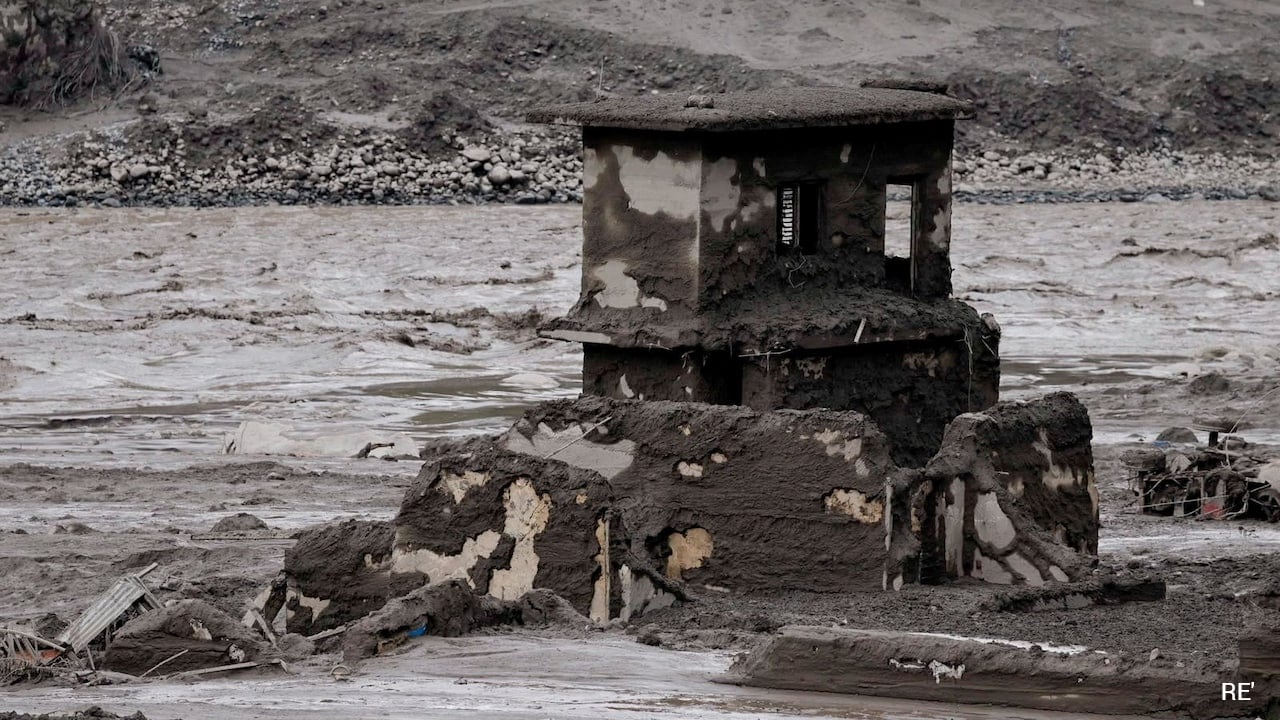
Rescue teams operating across the rugged Himalayan border corridors are racing against time. The death toll following the catastrophic glacial outburst and subsequent flash floods in Nepal and Tibet has officially crossed 900. Thousands remain missing. If you are following the trickle of mainstream updates, you are likely missing the true scale of the disaster unfolding across districts like Rasuwa, Nuwakot, and Dhading.
This is not just a standard monsoon overflow event. Nearly two-thirds of a high-altitude glacier near the border sheared off, plunging more than a kilometer into the Lhende Khola river catchment. It acted like liquid concrete. A wall of debris, ice, and mud tore down the Bhote Koshi-Trishuli corridor at terrifying speeds, leaving communities mere minutes to react. For a deeper dive into this area, we recommend: this related article.
Inside the Desperate Search for Survivors
As rescue operations push past the sixth day, the reality on the ground is brutal. Heavy rain, thick fog, and leg-sucking mud continue to choke access to remote areas. Entire villages near riverbanks have been completely wiped out. Survivors are left picking through sludge to find fragments of their lives.
The most urgent focus right now centers on hydropower tunnel complexes, particularly around Trishuli 3A and 3B. Authorities estimate that over 100 workers remain trapped underground. Specialized teams, including international experts and tunnel miners, are pumping oxygen through narrow pipes into the flooded infrastructure. They are fighting against inches of dense silt and the constant threat of secondary floods. For broader context on this topic, detailed reporting is available at Al Jazeera.
Why Early Warning Systems Failed
Time is the ultimate enemy in a glacial lake outburst flood. Reports from hydrologists on the ground reveal a terrifying window of vulnerability. Barely seven minutes ticked by from the initial seismic signal generated by the collapse in the mountains to the destructive surge slamming into Rasuwagadhi at the border.
Nepal's meteorology department received word only after the torrent had already crossed the border. That leaves a glaring question about cross-border data sharing and early hazard detection systems in high-altitude Himalayan zones. When geological triggers happen miles up in isolated peaks, downstream communities need seconds, not hours. Right now, those communication pipelines are broken.
The Long Road to Recovery
The economic and structural blow to Nepal is staggering. Finance ministries estimate that reconstruction will run into billions of dollars, targeting dozens of washed-out bridges, ruined highways, and crippled power projects.
Local hospitals in Kathmandu are overwhelmed with families searching for missing relatives. Authorities have started taking DNA samples before burying unidentified bodies recovered from rivers flowing as far downstream as India, because decomposition moves fast in waterlogged environments.
Governments are currently coordinating specialized aid, focusing on heavy engineering equipment, bailey bridges, and forensic kits rather than general manpower. If you want to support relief efforts, look toward established humanitarian organizations operating directly on the ground in affected districts to provide clean water, medicine, and emergency shelter.


