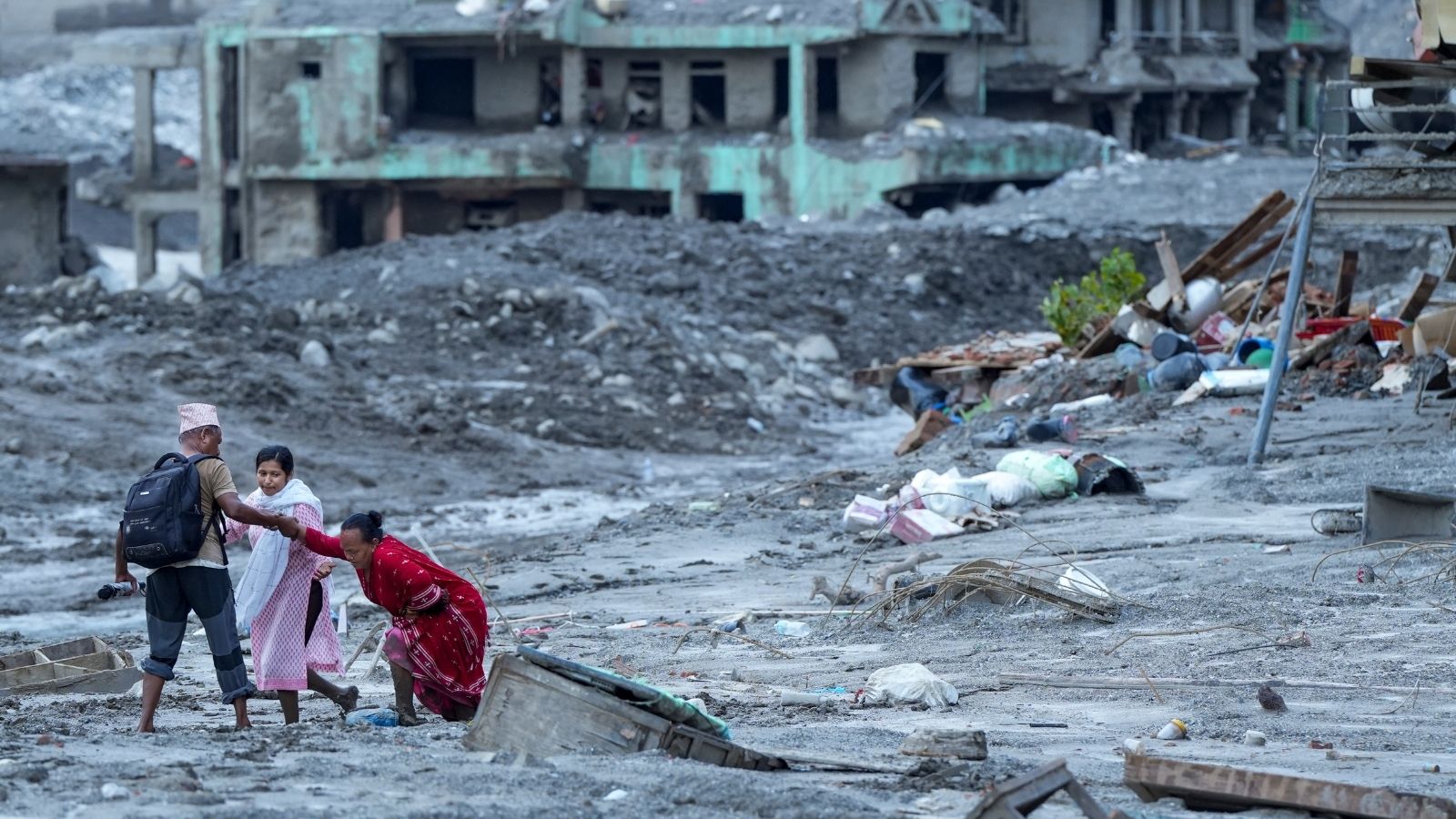
The death toll from the catastrophic flash floods in Nepal has climbed to 788, with more than 2,500 individuals still missing as rescue operations enter a grueling phase defined by subterranean recovery efforts and forensic backlogs. Torrential downpours and sudden river surges have devastated regions along the Himalayan border, leaving critical infrastructure shattered and hundreds of workers trapped inside buried engineering projects. As neighboring nations dispatch specialized emergency response units, the sheer scale of the disaster exposes deep vulnerabilities in regional infrastructure planning and emergency preparedness.
The Subterranean Nightmare
Among the most pressing challenges facing rescue personnel are the underground networks of regional infrastructure projects. More than 900 missing persons are registered as workers from hydropower sites, where massive walls of mud, silt, and rock have sealed off access tunnels.
In districts like Rasuwa and Nuwakot, joint security details consisting of the Nepal Army, Armed Police Force, and local police units have spent days trying to clear blockages at sites such as the Upper Trishuli projects. Heavy machinery and controlled blasts are being utilized to carve paths into structures where engineers and laborers remain unaccounted for.
Working inside a flooded, debris-choked tunnel presents unique hazards. Oxygen levels fluctuate, structural integrity is compromised by shifting sediment, and continuous rain threatens to trigger secondary collapses. Specialized teams must navigate pitch-black, water-filled corridors where conventional search tactics are useless.
Regional Response and Cross-Border Coordination
The severity of the crisis has triggered a massive mobilization across South Asia. India has stepped up its assistance by airlifting tens of tonnes of relief material, including medical supplies, generators, and technical equipment. Crucially, specialized technical units—including tunnel-rescue experts and a 19-member forensic DNA team—have arrived in Kathmandu to support local authorities.
The forensic deployment addresses a grim bottleneck. Hospitals across the country are overwhelmed with recovered bodies that cannot be visually identified due to advanced decomposition or trauma. At the Tribhuvan University Teaching Hospital and various regional facilities, medical examiners are relying heavily on genetic profiling to match remains with grieving families.
Concurrently, heavy engineering assets, including components for modular steel Bailey bridges, are being transported overland to reconnect isolated mountain communities cut off by collapsed highways like the Prithvi route.
Infrastructure Realities in Fragile Terrain
The disaster highlights a recurring hazard across the Himalayan belt. Rapid economic development and the construction of energy-generating facilities in narrow river valleys often outpace comprehensive climate-risk assessments. When extreme weather events trigger sudden glacial outbursts or intense flash floods, these subterranean worksites function effectively as traps, collecting debris and high-velocity water columns.
Logistical lines remain severely fractured. Clean water access has dropped sharply as pipelines and canals were swept away, raising immediate concerns over waterborne diseases in displacement camps. Medical facilities struggle with fuel shortages and dwindling pharmaceutical stocks, compounding the trauma for thousands of survivors living in temporary shelters.
As search units continue combing through massive piles of river rubble and pumping water from blocked industrial shafts, the focus remains fixed on recovering those trapped underground before hope completely fades