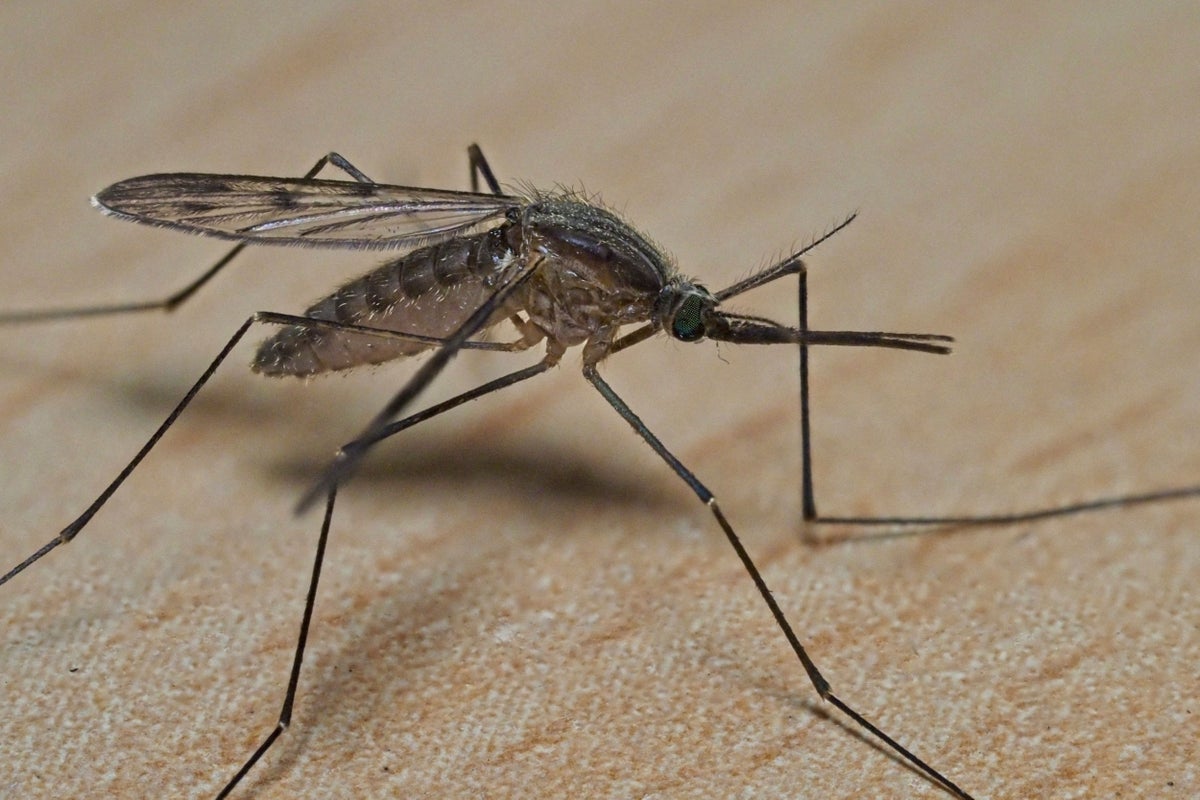
You can walk through the heart of Central Florida in the dead of July, surrounded by artificial swamps, dense foliage, and open-air food carts, without ever hearing that familiar, high-pitched buzz. It feels like a magic trick. The Walt Disney World Resort spans roughly 40 square miles of what was once uninhabitable marshland, yet guests rarely leave with a single mosquito bite.
The public assumption is often that Disney blankets its property in a nightly fog of heavy chemical pesticides. That assumption is entirely wrong. Soaking a massive open-air theme park filled with tens of thousands of daily visitors in industrial-strength toxins would trigger an immediate ecological and public health crisis. Instead, the real secret is an aggressive, multi-layered structural warfare strategy designed not to kill adult mosquitoes, but to prevent them from ever existing in the first place.
For the average homeowner battling an annual backyard invasion, the standard response is reactive. We buy bug sprays, light citronella candles, or hire companies to blast our yards with synthetic pyrethroids. These methods are expensive, temporary, and fundamentally flawed. To actually fix a mosquito problem, you have to stop thinking like a consumer and start thinking like a civil engineer.
The Panama Canal Connection
The blueprint for Disney’s pest management program did not come from an animator or a traditional exterminator. It came from the military. During the 1964 New York World’s Fair, Walt Disney met Major General William E. "Joe" Potter, a retired U.S. Army engineer who had previously served as the governor of the Panama Canal Zone.
In Panama, Potter had witnessed firsthand how mosquito-borne illnesses like malaria and yellow fever could cripple massive human operations. He knew that the only way to defeat the insect on a grand scale was to disrupt its reproductive lifecycle. Disney hired him on the spot to oversee the construction of what was then known as the "Florida Project."
Potter understood a fundamental biological reality: mosquitoes require stagnant water to lay their eggs. If water moves, or if it disappears entirely within a specific window of time, the larvae die.
When construction began in Central Florida, Potter oversaw the excavation of a massive network of drainage canals, still known internally as "Joe's Ditches." These are not ordinary trenches. They are highly calculated, gravity-fed waterways designed to constantly pull shallow pools of water off the land and keep it moving.
To replicate this at home, you must look past the obvious birdbaths and clogged gutters, though those are critical culprits. A single bottle cap hidden in overgrown weeds can hold enough stagnant water to breed hundreds of mosquitoes. True structural defense means analyzing the topography of your property. If your lawn has low spots that hold water for more than 48 hours after a heavy rain, you have an active breeding ground.
Fixing this requires earth-moving, not chemical spraying. Homeowners can install French drains or dig simple, gravel-filled swales to redirect water away from low-lying areas. The goal is to force water to percolate into the ground or move off the property before the insect’s rapid pupation cycle can finish.
Engineering the Built Environment
Look closely at the architecture inside any major theme park. You will notice a distinct lack of flat surfaces on the tops of buildings, light fixtures, and signs. Everything is aggressively sloped.
This is not just an aesthetic choice. It is a deliberate engineering tactic to ensure that rainwater immediately runs off and drains away. Water cannot collect in the folds of canvases, on top of pillars, or inside architectural molding.
Furthermore, every body of water designed for guest viewing—from the Seven Seas Lagoon to the small streams winding through themed lands—is kept in constant motion. Disney utilizes massive hidden aeration systems, waterfalls, and fountains to break the surface tension of the water. Mosquitoes cannot lay eggs on moving water; the surface agitation drowns the larvae before they can breach the surface to breathe.
+-------------------------------------------------------------+
|               THE MULTI-LAYERED DEFENSE MATRIX              |
+-------------------------------------------------------------+
|  1. KINETIC WATER MANAGEMENT                                |
|     Continuous flow via fountains, aerators, and sloped     |
|     drainage infrastructure to prevent egg-laying.          |
+-------------------------------------------------------------+
|  2. BIOLOGICAL CONTROLS                                     |
|     Stocking native predatory fish and deploying targeted   |
|     bacterial larvicides (Bti) in unavoidable water zones.  |
+-------------------------------------------------------------+
|  3. OLFACTORY REPELLENTS                                    |
|     Automated, low-concentration liquid garlic applications |
|     to blind the sensory receptors of adult insects.        |
+-------------------------------------------------------------+
|  4. SURVEILLANCE INFRASTRUCTURE                             |
|     Carbon dioxide traps and sentinel flocks to monitor     |
|     population density and track potential viral threats.   |
+-------------------------------------------------------------+
In a residential backyard, static water features are often the primary source of self-inflicted mosquito infestations. If you have a decorative pond, a rain barrel, or a pool that is frequently left uncovered and uncirculated, you are actively inviting the enemy.
The fix is straightforward. If you have a pond, you must install a pump or a fountain to keep the water moving. For rain barrels or permanent water features where circulation is impossible, biological intervention is required.
Instead of dumping harsh chemicals into the water, use Bacillus thuringiensis israelensis (Bti). This is a naturally occurring bacterium found in soils that specifically targets and destroys the digestive systems of mosquito larvae, blackflies, and fungus gnats. It is completely non-toxic to humans, pets, birds, and beneficial pollinators like bees. You can buy Bti in the form of dissolvable rings or granules at any hardware store. It is the exact same biological weapon used by industrial pest control teams worldwide.
The Invisible Smokescreen
Even with perfect drainage, adult mosquitoes can still fly onto a property from neighboring areas. To combat this, a chemical barrier seems inevitable. However, the solution used in commercial environments relies heavily on a natural, highly pungent plant extract: liquid garlic.
Mosquitoes possess an incredibly sophisticated olfactory system. They track their targets by sensing changes in moisture, heat, and, most importantly, the carbon dioxide trails exhaled by mammals.
When a property is sprayed with a highly concentrated, specialized liquid garlic extract, the sulfur compounds in the garlic completely overwhelm the insect's sensory receptors. It does not necessarily kill them on contact; instead, it effectively blinds them. They can no longer detect the carbon dioxide plumes generated by humans, causing them to move elsewhere in search of a meal.
The most impressive part of this operation is the dilution ratio. The garlic extract is sprayed in the early hours of the morning in minute, carefully calculated doses. By the time the gates open to the public, the scent has dried and is completely undetectable to the human nose, yet it remains potent enough to keep mosquitoes away for weeks. To ensure the atmosphere remains pleasant, commercial smell generators inject pleasant aromas like vanilla or baked goods into the air, completely masking any lingering traces of the treatment.
You can easily adapt this olfactory defense for your own yard. Commercial garlic sprays designed for lawns are widely available and can be attached directly to a standard garden hose.
When applying a garlic barrier, focus heavily on the underside of broad-leafed plants, dense shrubs, and shaded areas under decks. Adult mosquitoes do not fly continuously; they spend the heat of the day resting in dark, humid, shaded environments. By coating these specific harborages in garlic extract, you strip away their safe havens. The initial application will smell strongly of a pizzeria for an hour or two, but once dry, the odor fades for humans while remaining an impenetrable barrier for pests.
Biological Intelligence Networks
A truly elite pest management strategy does not operate blindly. You cannot fight an enemy you are not actively tracking.
To manage a massive geographic footprint, a dedicated team of entomologists monitors the insect population around the clock using an extensive network of traps. These traps utilize small releases of carbon dioxide gas to mimic human breath, drawing the insects in so they can be captured, counted, and identified.
If a specific zone shows a sudden spike in a particular species of mosquito, the team immediately dispatches targeted treatments to that exact location before the population can explode out of control. Furthermore, regional operations often utilize "sentinel chickens." These flocks live in monitored enclosures throughout the area. Because chickens naturally develop antibodies to mosquito-borne illnesses like West Nile virus and Eastern Equine Encephalitis without actually getting sick, regular blood tests of these flocks provide an early warning system for public health officials long before human cases appear.
While you probably cannot—and should not—set up a sentinel chicken coop in a suburban subdivision, you can easily implement the data-driven philosophy behind it.
Instead of waiting until you are covered in bites to take action, monitor your yard closely as temperatures begin to rise. Mosquitoes become active once consistent outdoor temperatures cross the 50-degree Fahrenheit threshold.
The Fallacy of the Quick Fix
The commercial success of large-scale pest management proves that long-term control is an ongoing war of attrition, not a singular event. There is a multi-billion-dollar industry built around selling consumers useless gadgets designed to exploit our desire for an easy fix.
Electronic bug zappers are a prime example of this exploitation. The satisfying zap sound leads homeowners to believe they are winning the war. However, multiple entomological studies have proven that the vast majority of insects killed by traditional light-based zappers are beneficial pollinators, midges, and harmless moths. Mosquitoes are not inherently attracted to ultraviolet light; they are attracted to you. By killing the beneficial insects that compete with or prey upon mosquitoes, you are often making your backyard problem worse.
The same rule applies to the trend of automated backyard misting systems that pump out synthetic pyrethroids on a timer. While they do offer a temporary reduction in insect numbers, they also eradicate every butterfly, bee, and ladybug in the vicinity. Over time, mosquitoes can and do develop genetic resistance to these frequent, low-dose chemical exposures, leaving you with a more resilient pest population and a dead backyard ecosystem.
True sovereignty over your outdoor space requires adopting a holistic, infrastructure-first mindset. Walk your property line. Look for structural failures in how water moves. Weaponize biological larvicides in areas where water must remain. Blind the surviving adult population by treating resting zones with organic deterrents.
It is a strategy forged in the marshes of Panama and perfected on the costliest real estate in entertainment. It works because it respects biology rather than trying to brutally crush it with a bottle of poison. Stop spraying the symptoms, and start engineering the cure.
Why Doesn't Disney World Have Mosquitoes? This video breaks down the historical engineering principles and water management systems used to eliminate standing water across the massive property.