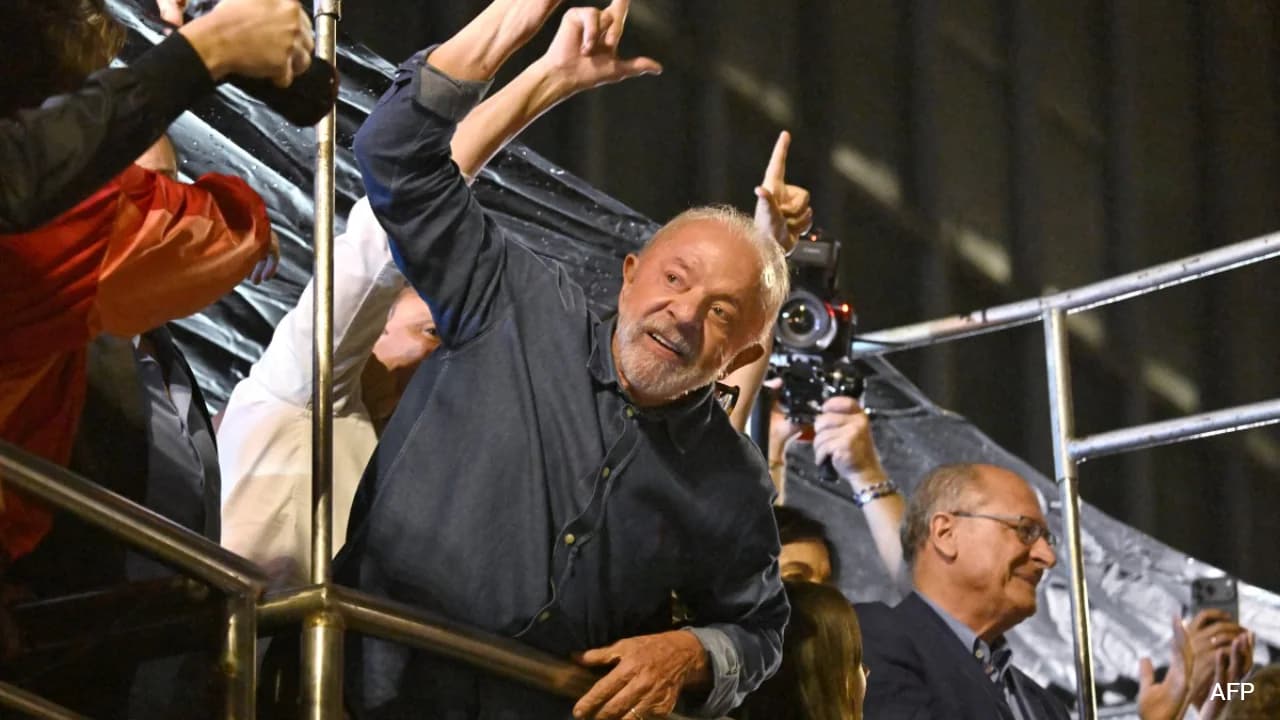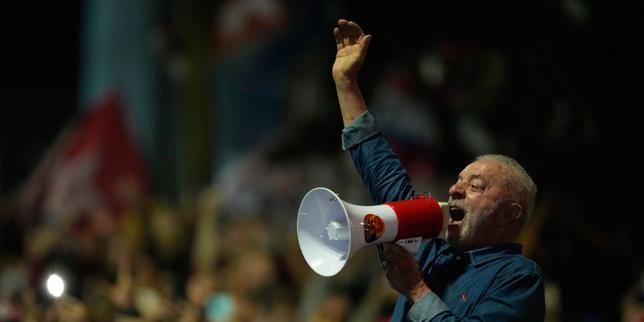
In October 2022, Luiz Inácio Lula da Silva secured a dramatic comeback to the Brazilian presidency, defeating incumbent Jair Bolsonaro in the tightest presidential race in the nation's modern history. Within hours of the official count confirming Lula's margin of victory, foreign governments issued statements. Moscow stood out among the earliest global powers to acknowledge the result. The Kremlin released an official statement highlighting expectations for expanded bilateral cooperation and strategic partnership within international bodies like BRICS.
The immediate warmth extended by Russian officials surprised observers who remembered Jair Bolsonaro's visit to Moscow just days before the invasion of Ukraine. Yet a closer examination of South American geopolitics reveals why Russia viewed the leadership transition in Brasilia as a continuity of strategic neutrality rather than a diplomatic shift.
Diplomatic Speed as a Strategic Signal
When elections close with a razor-thin vote margin, international statements serve as subtle tools of legitimacy. Moscow was quick to publicly welcome the election outcome, issuing a statement from Vladimir Putin praising Lula's victory and emphasizing mutual interest in deepening trade ties.
The prompt response was not merely ceremonial courtesy. By moving fast, Moscow signaled its interest in maintaining strong diplomatic momentum with Latin America's largest economy. For Russia, securing predictable relations with key emerging economies outside the traditional Western bloc remains a core objective of its foreign strategy.
       2022 Brazilian Presidential Runoff Result
       ┌────────────────────────────────────────┐
       │ Lula da Silva (50.9%)                  │
       ├────────────────────────────────────────┤
       │ Jair Bolsonaro (49.1%)                 │
       └────────────────────────────────────────┘
The Fertilizer Equation and Agricultural Interdependence
Beyond geopolitical alignment lies a stark economic reality: fertilizer. Brazil is an agricultural superpower, serving as one of the top global suppliers of soybeans, beef, sugar, and coffee. To sustain its massive agricultural yield, Brazil imports nearly 85 percent of its synthetic fertilizer requirements.
Russia is one of Brazil's primary sources for critical inputs such as potash, nitrogen, and phosphate complexes.
- Supply Chain Risks: Any interruption in fertilizer shipments from the Baltic region threatens Brazilian farm production and global food inflation.
- Bipartisan Pragmatism: Both the outgoing Bolsonaro administration and the incoming Lula government maintained strong working ties with Russian exporters to guarantee continuous shipment flows regardless of international trade restrictions.
- Currency Mechanics: Trade channels between both nations adapted to navigate sanctions, shifting toward alternative settlement mechanisms to preserve agricultural trade lines.
Regardless of who occupies the Palácio do Planalto, maintaining open trade channels with major fertilizer producers remains a matter of national economic security for Brazil.
The Continuity of Non-Alignment in the Global South
Lula's return to power marked a continuation of Brazil's traditional foreign policy principles: autonomy, multilateralism, and non-intervention. During his previous terms in the 2000s, Lula played a central role in founding the BRICS alliance alongside Russia, India, China, and South Africa.
               Brazil's Foreign Policy Alignment
              ┌─────────────────────────────────┐
              │      Strategic Autonomy        │
              └────────────────┬────────────────┘
                               │
       ┌───────────────────────┴───────────────────────┐
       ▼                                               ▼
┌──────────────┐                               ┌──────────────┐
│ BRICS & Trade│                               │ Western Ties │
│ (Russia/China)                               │ (US/EU)      │
└──────────────┘                               └──────────────┘
While Western nations urged global partners to adopt punitive measures against Moscow following the escalation of the conflict in Ukraine, South American nations generally preserved strategic neutrality. Lula explicitly reiterated that Brazil favored peace negotiations over military escalation, refusing to send military supplies or munitions to conflict zones.
This diplomatic posture matches broader trends across the Global South. Middle powers increasingly decline to join binary geopolitical alliances, prioritizing trade access, energy stability, and national interest over global ideological blocs.
The BRICS Framework and Multi-Polar Ambitions
Russia's rapid engagement with Lula highlighted the importance Moscow places on the BRICS format as a platform to challenge Western economic hegemony. For Moscow, BRICS represents a counterweight to the G7, offering alternative financial structures, development banks, and trade networks.
Lula's foreign policy team has consistently advocated for:
- Rebalancing Global Financial Institutions: Demanding broader representation for emerging economies in global financial governance.
- Local Currency Settlements: Exploring cross-border settlement options outside the US dollar to reduce transaction friction in bilateral commerce.
- Consensus-Based Multilateralism: Strengthening non-Western forums to negotiate global trade and climate policy.
For Russia, a Brazil led by a veteran architect of BRICS meant a predictable partner committed to strengthening multi-polar diplomacy.
Navigating a Polarized Diplomatic Balancing Act
Diplomacy requires balancing competing priorities. While Lula maintained open communication with Moscow, his administration actively sought to rebuild ties with Washington and European capitals that had strained under his predecessor.
Brazil managed to balance its international obligations across several fronts:
- Climate and Amazon Conservation: Re-engaging European donors for the Amazon Fund while pushing for Western climate financing.
- Trade Agreements: Advancing negotiations regarding the EU-Mercosur trade treaty.
- Energy and Commodity Trade: Keeping trade routes open for Russian diesel and fertilizer inputs without breaching international sanctions frameworks.
This balancing act demonstrates how major developing economies maneuver through geopolitical friction. Rather than choosing sides, nations like Brazil leverage their agricultural strength, neutral diplomatic status, and leadership in regional alliances to extract practical benefits from all major powers.
Russia's swift diplomatic outreach following the 2022 election was a direct recognition of this reality. Moscow recognized that while leadership in Brasilia had changed, the underlying economic and geopolitical incentives governing Brazilian foreign policy remained intact.