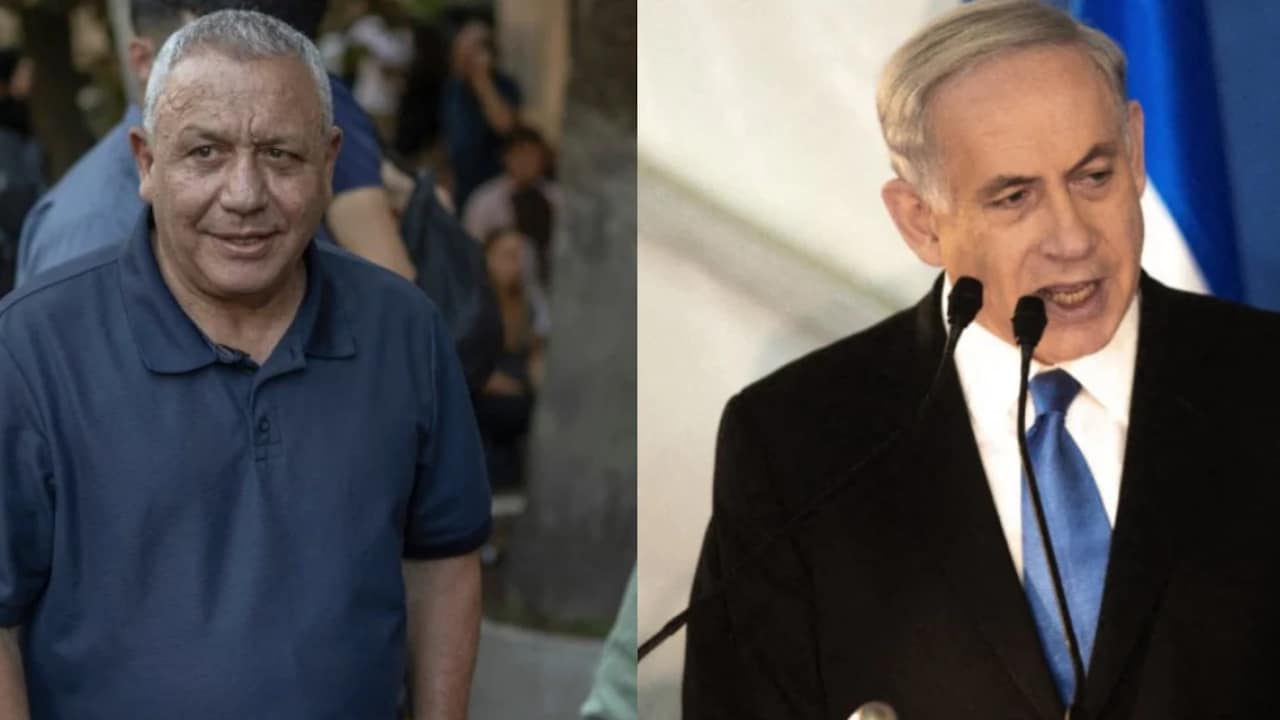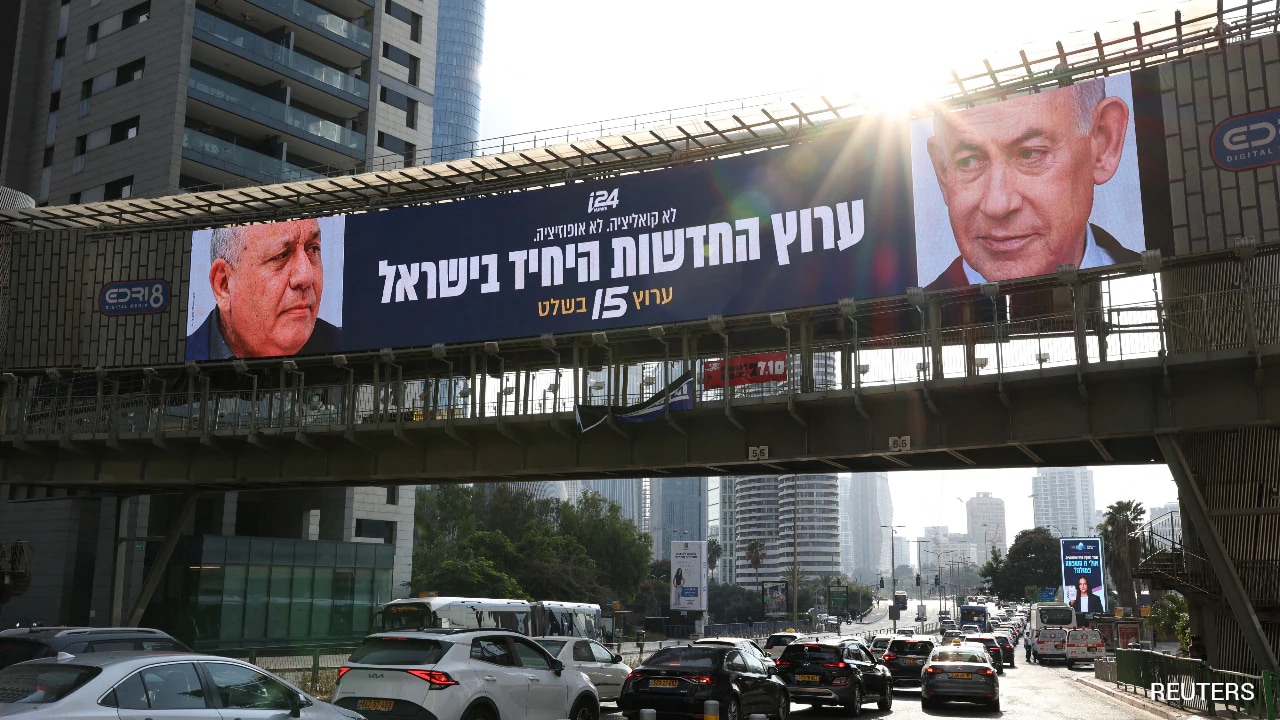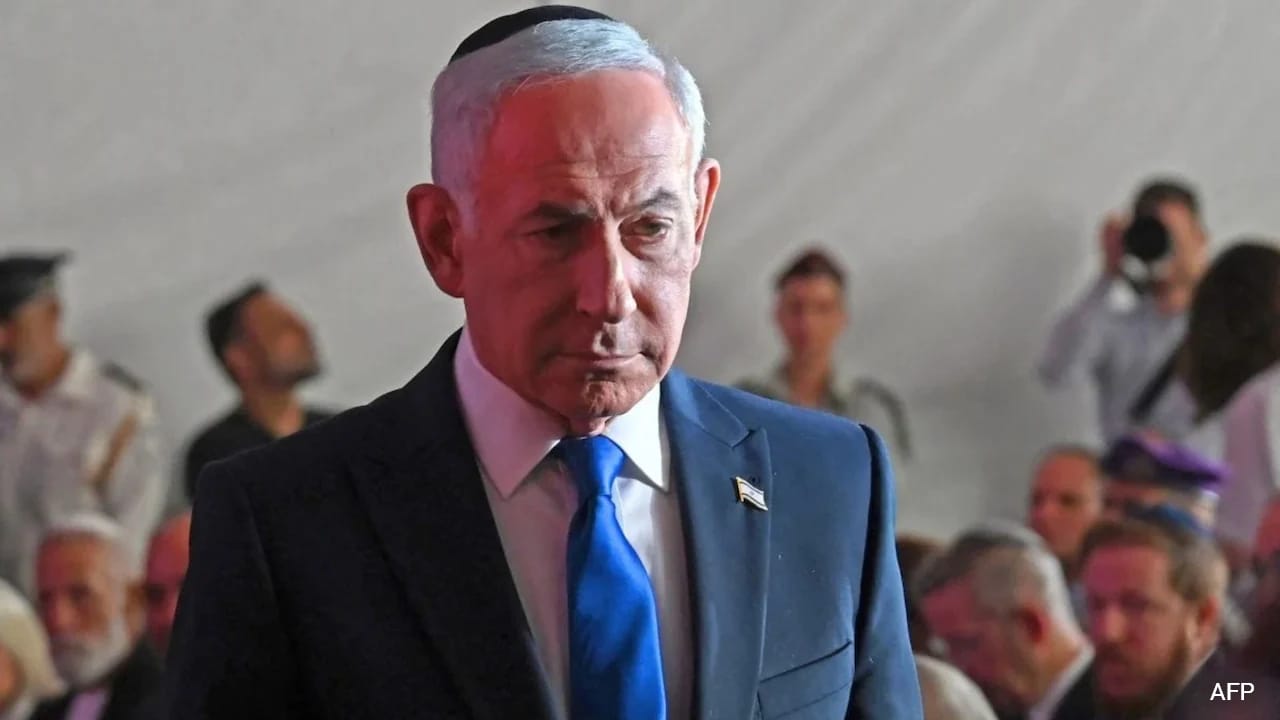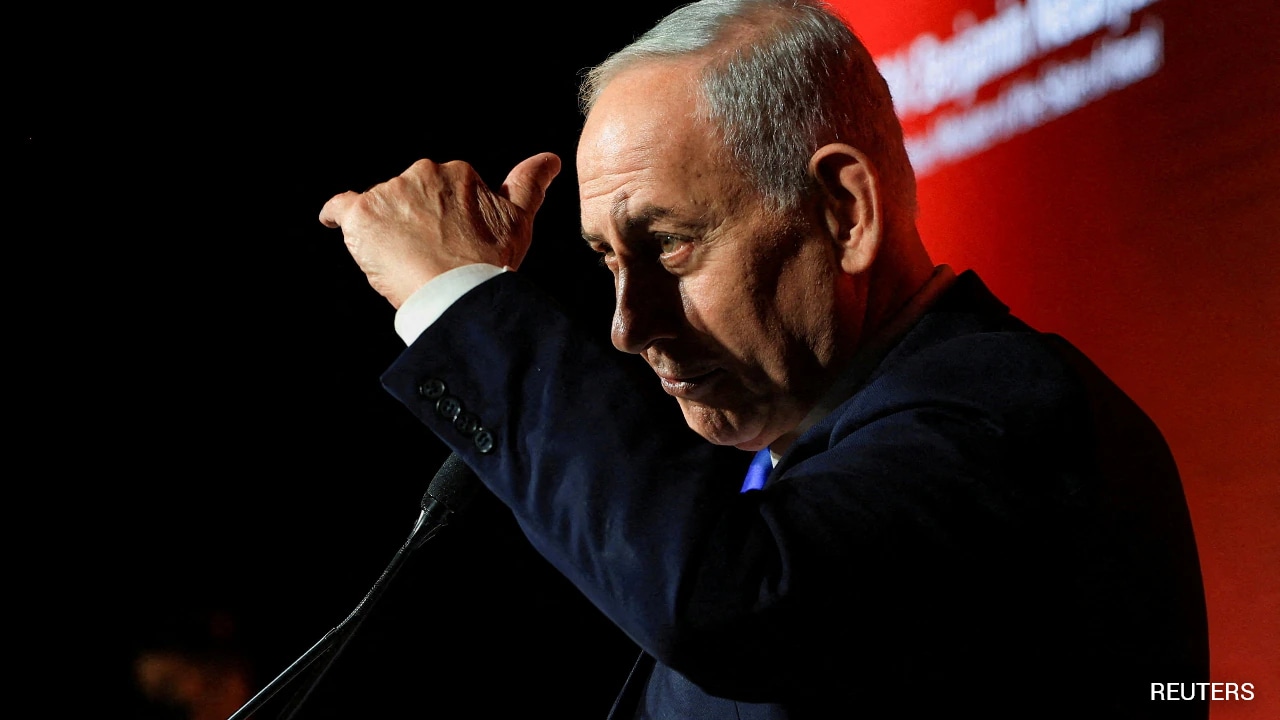
Israeli voters are driven primarily by five interlocking pressures: personal security and post-war military doctrine, the bitter fight over ultra-Orthodox military conscription, institutional accountability for the October 7 intelligence failures, a wartime economy masking structural fragility, and the historic mobilization of Arab citizens. As demonstrated by the October 2026 Knesset elections—which saw voter turnout surge to 77.7%, the highest level since 1999—electoral behavior in Israel is no longer a simple left-versus-right ideological split. Instead, ballots are cast as referendums on who bears the burden of national survival and who controls the state's institutions.
The Collapse of the Old Security Consensus
For decades, Israeli security doctrine rested on three pillars: superior intelligence, deterrence, and short, decisive wars. October 7 shattered that framework. In its place, voters face a stark choice between two competing visions of national defense.
Prime Minister Benjamin Netanyahu and his right-wing allies have championed a doctrine of prolonged, multi-front military presence. According to reporting from Al-Monitor, this strategy involves maintaining buffer zones in Gaza, southern Lebanon, and Syria, alongside sustained operations in the West Bank and direct confrontations with Iran and Houthi forces in Yemen. Supporters view this posture as uncompromising realism—a refusal to bow to international pressure or allow adversaries to rebuild on Israel's borders.
Critics and opposition leaders, led by former army chief Gadi Eisenkot, argue that permanent multi-front deployment is strategically and socially unsustainable. As Ofer Shelah, a researcher at Israel's Institute for National Security Studies (INSS), told Al-Monitor, the country has shifted from "a logic of deterrence and prosperity between wars to a society that lives permanently by the sword". Tens of thousands of military reservists have been called up repeatedly since 2023, straining families, small businesses, and the military's manpower capacity. For many voters, security is no longer an abstract geopolitical debate; it is measured in how many months a spouse or child spends in uniform.
The Conscription Revolt and the Haredi Fault Line
Nothing exposes the raw nerve of Israeli domestic politics quite like the battle over ultra-Orthodox (Haredi) military exemptions. Under longstanding coalition arrangements, young Haredi men enrolled in religious seminaries have been exempted from the mandatory military service required of most other Jewish Israelis.
The numbers tell the story. Each year, roughly 13,000 ultra-Orthodox men reach the conscription age of 18, yet fewer than 10% enlist. During years of continuous multi-front warfare and acute soldier shortages, that disparity became politically toxic.
Tamar Hermann, a public opinion expert at the Israel Democracy Institute (IDI), noted in interviews with the Associated Press that military service in Israel functions as "a kind of permit to citizenship" that confers legitimacy within Jewish Israeli society. IDI polling revealed that roughly a quarter of Jewish voters ranked military exemptions as a decisive factor at the ballot box, and IDI president Yohanan Plesner identified it as the single most potent issue uniting the anti-Netanyahu bloc.
The political fallout has been measurable. While Haredi parties like Shas and United Torah Judaism fiercely defend exemptions as essential to preserving religious life and Torah study, the backlash eroded their electoral dominance. In the October 2026 vote, Shas dropped from 11 seats to just six—its weakest showing since 1992—underscoring how deeply the "burden-sharing" crisis has reshaped coalition math.
Accountability for October 7 and the State Commission Divide
Beyond future strategy, voters remain divided over who should answer for the past. The Hamas attack of October 7, 2023, which killed more than 1,200 people, left an unresolved demand for accountability.
Historically, Israel has responded to major national failures—such as the 1973 Yom Kippur War—by establishing an independent state commission of inquiry headed by a Supreme Court justice. Opposition figures, including Gadi Eisenkot and Yair Lapid, have demanded this exact mechanism to investigate both military and political failures.
Netanyahu's government has resisted an independent state inquiry, arguing that such a body would be politically biased and that investigations should wait or take a different form. Instead, the coalition proposed a bipartisan committee appointed by politicians—a move Lapid dismissed as an effort to "whitewash" responsibility. Meanwhile, reporting highlighted by Al-Monitor has kept public scrutiny focused on pre-war intelligence warnings, including alerts from the United Arab Emirates and the government's past policy of permitting Qatari financial transfers into Gaza.
For a significant segment of the electorate, the refusal to establish an independent inquiry is inseparable from the broader battle over Israel's democratic institutions.
Judicial Overhaul Fatigue Versus Institutional Survival
In 2023, before the outbreak of war, Israel was convulsed by mass street protests over the government's plan to overhaul the judiciary and curtail the authority of the Supreme Court. Proponents framed the legislation as a necessary correction against unelected judges overstepping their bounds, while opponents condemned it as an executive power grab by a prime minister standing trial on corruption charges.
By 2026, however, the political temperature around the courts had shifted. According to Israel Democracy Institute data cited by the Associated Press, only 18% of Jewish Israelis listed the judicial overhaul as a primary factor in their vote, leading researcher Tamar Hermann to observe clear "public fatigue" on the issue.
Yet fatigue does not mean irrelevance. Among left-leaning voters, 22.5% still cited judicial changes as a major electoral driver. Furthermore, legislation passed prior to the 2026 election—giving the government greater control over judicial appointments—was slated to take effect upon the swearing-in of the next Knesset, with opposition parties pledging immediate repeal. Rather than vanishing, the judicial struggle merged into a broader debate over institutional checks and balances, war oversight, and the rule of law.
The High-Tech Shield and the Cost-of-Living Trap
Economic anxieties often take a back seat during acute security crises, and the 2026 campaign was no exception. As Al-Monitor reported following the vote, Israel's economy drew international praise for its resilience through prolonged conflict, buoyed largely by a thriving high-tech sector that continued to attract capital and generate exports.
Beneath that macroeconomic resilience, however, lies a sharp divide. The high-tech sector employs a relatively small fraction of the workforce, while millions of households grapple with high interest rates, wartime tax hikes, soaring housing costs, and disruptions to small businesses caused by months of reserve duty. In peripheral towns and working-class neighborhoods—historically strongholds for Likud and Shas—pocketbook pressure competes directly with traditional ideological loyalty.
The Awakening of the Arab Electorate
Perhaps the most consequential shift in Israeli electoral behavior has occurred among Palestinian citizens of Israel, who make up roughly one-fifth of the population. After years of political fragmentation and depressed turnout—dropping to 44.6% in 2021 and 53.2% in 2022, according to IDI figures—Arab participation surged dramatically in 2026, reaching roughly 80% nationwide and topping 86% in cities like Sakhnin.
According to analysis by Anadolu Agency and the TRENDS Research & Advisory group, this mobilization was driven by acute frustration over violent crime in Arab municipalities, home demolitions, and the policies of far-right National Security Minister Itamar Ben-Gvir. The result was historic: the Joint List and the United Arab List (Ra'am) won a combined 19 seats—roughly 16% of the 120-member Knesset, the largest representation for Arab-led parties in Israeli history.
Equally notable was the strategic evolution inside these parties. Ra'am, an Islamist party that previously made history by joining a governing coalition in 2021, placed Yoav Segalovitz—a Jewish former senior police official and centrist lawmaker—in the number-two spot on its candidate list. Simultaneously, the Joint List ran a Hebrew-language campaign in Tel Aviv aimed at anti-war Jewish voters. Both moves signaled an effort to break out of political isolation and assert direct leverage over coalition formation.
The Structural Reality of Israeli Coalition Math
Understanding what matters to Israeli voters requires understanding how Israel's electoral system filters their choices. Israelis do not vote for a prime minister directly; they cast a single ballot for a party list in a nationwide proportional representation system with a 3.25% electoral threshold.
No single party has ever won an outright 61-seat majority in the Knesset. Every Israeli government is a marriage of convenience negotiated after the votes are counted. As Neil Bar, a researcher at the University of Haifa, noted in an analysis for Policypress, even dramatic shifts in voter turnout and party branding often reproduce the fundamental structural deadlock that has defined Israeli politics since 2009: the divide between camps defined by their stance on Benjamin Netanyahu's leadership.
In the 2026 Knesset, Likud remained the largest single party with 27 seats, followed by Eisenkot's Yashar party with 21. Yet neither bloc possessed an easy path to 61 seats. Right-wing nationalist parties like Avigdor Lieberman's Yisrael Beiteinu oppose relying on Arab-led parties for a governing majority, while centrist opposition leaders refuse to compromise on universal military conscription—the exact red line that keeps ultra-Orthodox parties tethered to Netanyahu.
What Actually Decides the Ballot
When Western observers analyze Israeli elections, they frequently reduce the electorate to a single question about peace negotiations or territorial compromise. On the ground, the reality is far more immediate and granular.
A secular reservist in central Israel votes on whether the state will finally draft Haredi youth and investigate October 7. A religious nationalist voter in the West Bank prioritizes permanent territorial control and distrusts international pressure. An Arab family in the Galilee votes to end municipal neglect and curb far-right ministerial power. And a veteran Likud supporter in the southern periphery weighs loyalty to a wartime leader against the rising cost of groceries and mortgages.
In Israel's hyper-fragmented democracy, voters rarely get the exact government they voted for—they get the coalition that survives the post-election bargaining table.