A deal signed on paper doesn't change reality on the ground. Less than 24 hours after a highly publicized, US- and Qatar-brokered ceasefire went into effect, southern Lebanon is back on fire. The diplomatic breakthrough between Israel and Hezbollah was supposed to stabilize a region teetering on the edge. Instead, fresh Israel Defense Forces (IDF) strikes shattered the fragile peace on Saturday morning, leaving five dead and multiple towns in ruins.
If you're trying to figure out why these diplomatic agreements always seem to fall apart instantly, you have to look past the official press releases. The hard truth is that neither side actually stopped fighting. This latest breakdown shows exactly why a lasting peace in the region remains an illusion.
The Saturday Morning Strikes That Ended the Truce
Lebanon's state-run National News Agency (NNA) confirmed that Israeli warplanes, artillery, and low-flying drones launched a massive wave of strikes across the southern region. The escalation targeted more than a dozen locations, focusing heavily on the Nabatieh district.
The human toll was immediate. In the town of Barish, an airstrike wiped out an entire family. A father, mother, and their two children died when their home was hit. Meanwhile, at the Kfarremane roundabout, an Israeli strike killed a active Lebanese Army soldier, directly dragging Lebanon's official state military deeper into the crossfire.
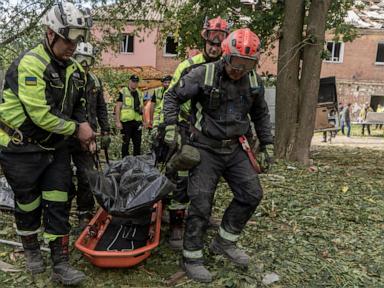
Search and rescue teams from local civil defense groups are currently digging through the rubble of destroyed residential buildings. Several people are still missing. The strikes hit multiple areas including Sohmur, Shibl, Habboush, and Choukine. Drones even buzzed low over the southern suburbs of Beirut, a clear signal that the truce was effectively dead.
Why the Truce Collapsed So Quickly
To understand this disaster, you have to look at what happened right before the ceasefire was supposed to take hold on Friday. On Thursday night, Hezbollah launched a fierce attack in southern Lebanon that killed four Israeli soldiers, including Lieutenant Colonel Dor Gadliah Ben Simhon, the commander of the 52nd Armored Battalion.
Israeli Prime Minister Benjamin Netanyahu didn't wait long to react. He ordered the IDF to hit back with full force, leading to a massive wave of airstrikes that killed 18 people in Lebanon before the truce window even opened. Netanyahu made his position clear, stating that Israel won't tolerate attacks on its troops and will exact a heavy price.
The real structural flaw in this agreement comes down to territory. The ceasefire didn't force Israel to pull its troops out of the massive buffer zone it established in southern Lebanon. Israel claims it needs to keep troops there to prevent cross-border attacks. Hezbollah claims that as long as foreign troops occupy Lebanese soil, any resistance is justified. It's a classic loop of violence. One side retaliates, then the other side retaliates for the retaliation.
High Stakes for International Diplomacy
This breakdown isn't just a local issue. It directly threatens a broader 14-point peace framework negotiated between the United States and Iran. That memorandum of understanding was designed to bring a permanent end to military operations in the region.
The immediate fallout has already hit the diplomatic stage. Technical talks between US and Iranian officials in Switzerland have been abruptly postponed. Diplomats were supposed to hammer out the implementation details of the peace deal. Now, those talks are on ice because nobody can agree on who broke the truce first.
Inside Israel, the political rhetoric is making things worse. National Security Minister Itamar Ben-Gvir openly called for an intensification of the war, posting on social media that Israel needs to crush the terror rather than using measured responses. This internal political pressure makes it incredibly difficult for the Israeli government to back down or honor long-term ceasefires.
What Happens Next On the Ground
If you're following this situation, watch the Zahrani River line. The IDF previously ordered residents of 20 southern towns to evacuate and move north of this boundary. As long as those displacement orders stand and residents can't return home, the conflict will keep simmering.
Local emergency workers are focusing purely on survival right now. If you want to support immediate relief efforts, tracking the updates from organizations like the International Committee of the Red Cross or local Lebanese civil defense teams is the best way to see where aid is actually needed. Expect a renewed push for emergency UN Security Council meetings over the coming days, but don't expect the air strikes to stop anytime soon.