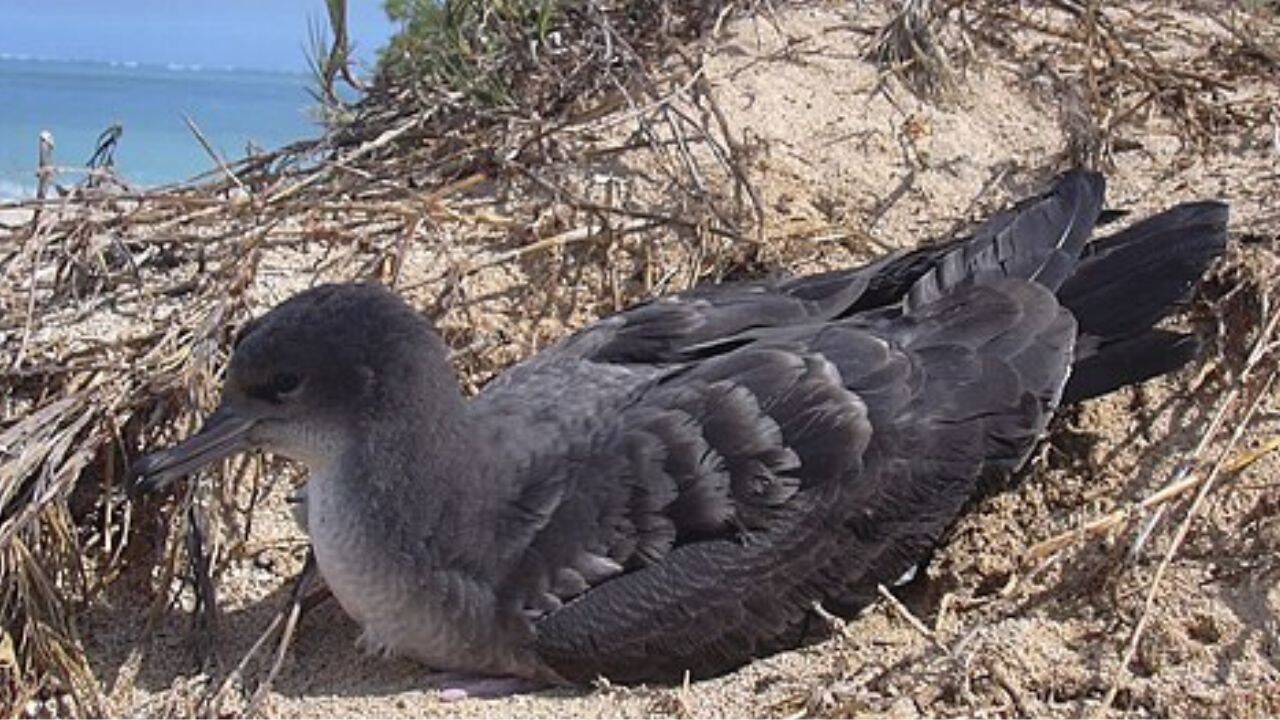
Every glossy conservation report follows the same tired script. You poison an island. You count the surviving birds. You publish a triumphant press release about a ten-fold population explosion. Everyone claps. Foundation grants get renewed. Another ecosystem saved, right?
Wrong.
The lazy consensus in modern island restoration treats invasive rodent eradication as an ecological silver bullet. Remove the rats, watch the shearwaters skyrocket, and chalk up another win for humanity. It is a comforting narrative built on a fundamental misunderstanding of island trophic dynamics. The D’Arros shearwater recovery story is being touted as proof that poisoning rodents heals nature overnight. But when you look past the headline numbers, you find a fragile, artificially inflated boom masking long-term biological stagnation.
Conservation is suffering from an engineering complex. We treat ecosystems like broken washing machines where swapping out a bad part fixes the whole appliance. Nature does not work that way.
The Myth of the Clean Slate
When rodenticides are dropped onto islands like D’Arros, managers celebrate the sudden absence of predation. Shearwater chicks stop getting eaten in their burrows. Fledging success spikes. The population graph shoots straight up.
That is not ecosystem restoration. That is demographic release.
By removing one dominant pressure without addressing the broader structural integrity of the food web, we create an ecological vacuum. Shearwaters are not just birds; they are nutrient pumps. They forage at sea and dump massive quantities of marine-derived nitrogen and phosphorus onto terrestrial soils through guano. When rats ruled the island, that nutrient cycle was choked. Clear the rats, and the pump turns back on.
So why is this dangerous? Because a ten-fold population surge of a single burrowing seabird species places hyper-localized stress on island flora and soil composition. When millions of shearwaters return to an environment that has not co-evolved to handle that density of nutrient deposition in the absence of complex buffering species, you get severe soil nitrification, altered plant communities, and a monoculture of seabirds sitting on top of an unstable foundation.
We traded one imbalance for another and called it harmony.
Unintended Trophic Cascades
Let us look at the mechanics nobody wants to discuss. Rats are generalist predators. When you annihilate them, you do not just save shearwaters; you release every other hidden predator and competitor on the island.
Island ecosystems are notoriously hypersensitive to meso-predator release and invertebrate shifts. On many tropical and subtropical islands, removing rats leads to an immediate explosion of herbivorous crabs, invasive ants, or unchecked gecko populations that were previously suppressed or kept in check by omnivorous rodent pressure.
Furthermore, ground-nesting birds depend on complex understory vegetation for cover. Massive shearwater burrows churn up topsoil, preventing forest regeneration. Over time, an overabundant seabird colony strips the very habitat it relies on for nesting shade. The system enters a boom-and-bust cycle that looks less like a resilient wilderness and more like an unbalanced feedlot.
I have seen multi-million-dollar island restoration projects celebrate a bird census victory in year three, only to watch the island's native reptiles crash and its unique endemic plant species choke out by year ten due to extreme nutrient loading. We measure success by counting the loudest, most charismatic species while ignoring the silent collapse of biological diversity underneath them.
The Cost of Single-Species Fixation
Why do conservation boards love the rat eradication narrative? Because it is clean, photogenic, and easy to package for donors. "We killed the rats, the birds came back." It fits on a billboard.
Attempting to engineer complex marine-terrestrial interfaces with blunt-force rodenticide campaigns is like treating chronic high blood pressure with a sledgehammer. It drops the immediate metric, but it shatters the vascular system.
True ecological health is not measured by the momentary population spike of a single beneficiary species. It is measured by functional redundancy, trophic complexity, and self-regulation. If an island requires perpetual human vigilance, biosecurity cordons, and artificial barriers to maintain its current state, it is not restored. It is a managed zoo with saltwater borders.
Stop treating rodent eradication as the end goal of conservation. It is merely the clearing of the rubble. Until we learn to design restoration programs that prioritize whole-system resilience over quick headlines, we are just managing decline.