Internet outrage cycles move fast, but sometimes they trip over their own feet. A recent attempt to spark online backlash against Indian faculty members at Montana State University turned into an unintended masterclass on global academic prestige.
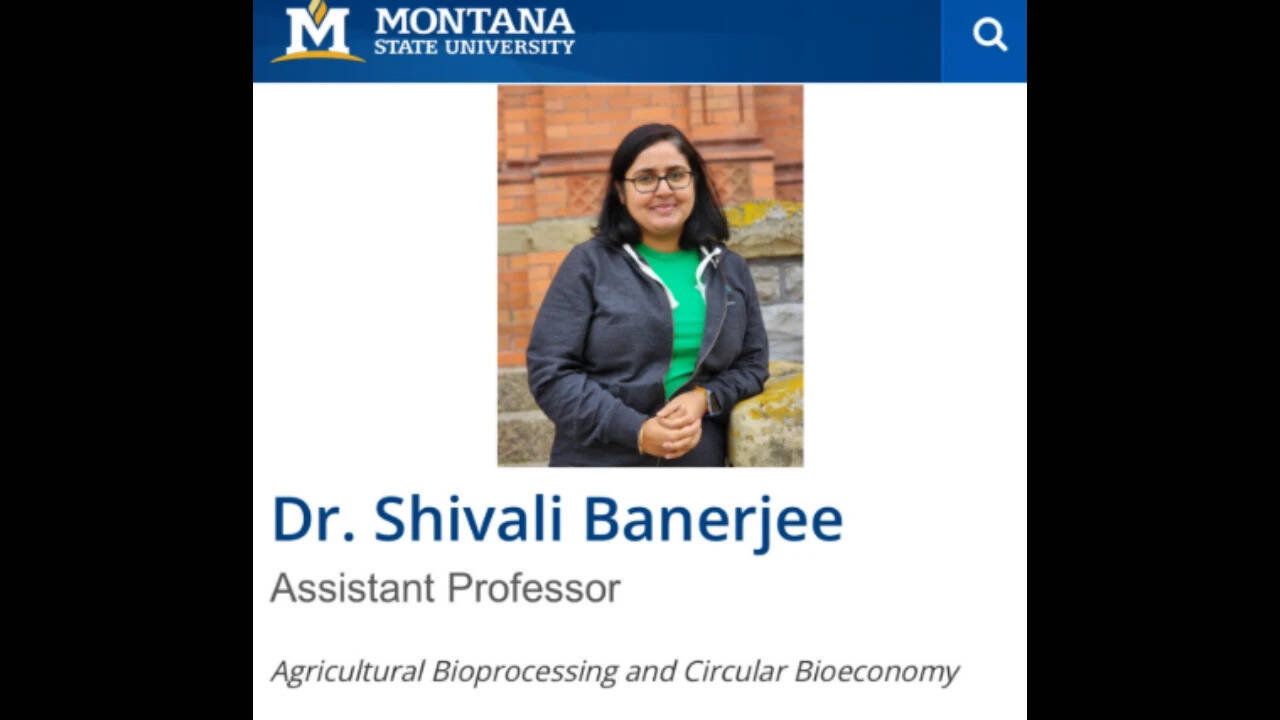
Social media rabble-rousers tried to target professors like Dr. Shivali Banerjee, an Assistant Professor of Agricultural Process Engineering at Montana State University, using her heritage and presence in the American academic system as a point of criticism. The goal was simple outrage bait. Instead, reality stepped in.
People looked at the resumes. They saw degrees from the Indian Institutes of Technology, commonly known as IITs. And the narrative instantly flipped.
The Reality of IIT Admissions
If you haven't looked closely at global higher education metrics lately, you might miss why the internet reacted the way it did. Getting into an institution like IIT Bombay isn't just difficult; it's statistically brutal. Millions of students hammer away at entrance exams year after year, and only a tiny fraction of one percent make the cut.
Critics of higher education imports often forget a basic economic and meritocratic truth. American universities don't hire faculty out of charity. They recruit globally because the top tiers of international talent represent world-class research capabilities. When researchers with doctorates from top-flight technical institutes take positions at land-grant universities in places like Bozeman, Montana, those institutions are importing elite expertise.
The online post intended to isolate these educators. Instead, thousands of commenters pointed out a glaring irony. Far from being an intrusion, these professors represent the absolute peak of STEM education. Social media users quickly noted that the academic rigor required to clear an IIT entrance exam often surpasses admission standards at Ivy League institutions.
Why Global Talent Drives American Research
This incident highlights a broader truth about modern American universities. Innovation doesn't happen in a vacuum, and agricultural engineering, computer science, and biotechnology rely heavily on cross-border intellectual capital.
Montana State University sits in a state known for vast landscapes, agriculture, and resource management. Bringing in specialized minds to tackle agricultural process engineering isn't a cultural threat. It is a strategic advantage. Dr. Banerjee's work focuses on complex agricultural systems—a field vital to Montana’s economic backbone. When political commentators try to turn specialized academic hiring into a culture war talking point, they routinely ignore the practical value these professionals bring to local economies and student classrooms.
The backlash to the original social media post proved that the public is increasingly wise to low-effort outrage farming. When bad-faith actors try to weaponize xenophobia, highlighting actual credentials often ruins their entire premise.
The Takeaway for Online Discourse
We live in an era where social media algorithms reward division. Anyone can screenshot a directory, post a list of names, and invent a grievance about who is teaching where. But credentials matter. Merit matters.
When you strip away the noise of viral outrage, you are left with simple facts. Global academic pipelines feed the best minds into American research institutions, strengthening local economies and pushing scientific boundaries forward. Next time an anonymous account tries to score cheap political points by attacking educators, check the CV first. You might just find they are looking at some of the smartest people in the country.


