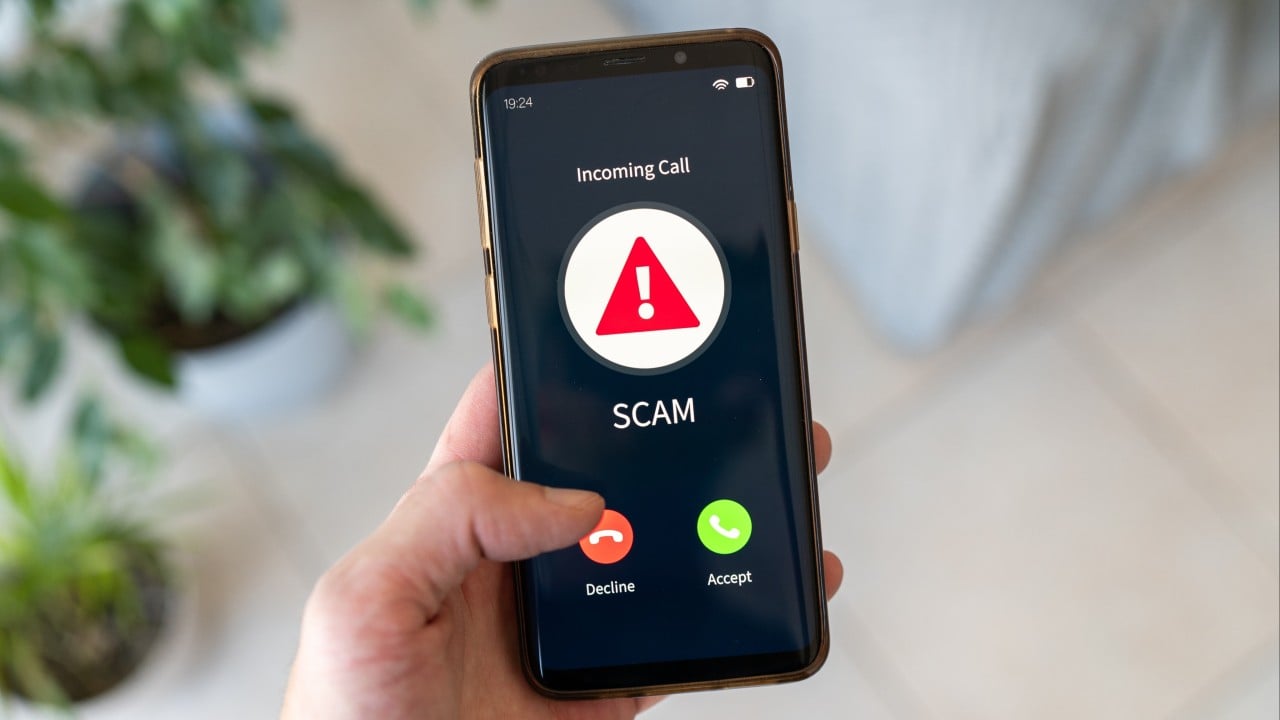
Malaysians have lost more than US$1.6 billion to financial scams since 2023, a staggering drain of household wealth driven predominantly by high-yield investment frauds, telecommunication impersonation, and e-commerce schemes, while romance scams account for the smallest share of total reported losses. Official enforcement tallies confirm that digital fraud has evolved from petty opportunistic theft into an industrialized shadow economy. Yet the headline numbers mask a much darker operational reality: the real financial bleed is likely far higher due to severe underreporting, and the mechanics behind these losses expose glaring structural weaknesses across banking, telecommunications, and cross-border policing.
To understand how billions of ringgit vanish from ordinary savings accounts in a matter of minutes, you have to look past the stereotypes of naive victims. The people losing their life savings are not just the elderly or the digitally illiterate. They are engineers, retirees, civil servants, and small business owners who believe they are making rational, calculated financial decisions.
Why the Headline Figure Is Only the Baseline
When law enforcement agencies tally scam losses, they rely almost entirely on formal police reports. In financial crime investigations, official reporting is universally understood to represent the floor, not the ceiling.
Shame keeps victims silent. When someone loses their retirement fund to a fake stock trading app or hands over their banking credentials to a voice posing as a tax official, the immediate emotional response is intense embarrassment. Many victims never walk into a police station because they fear judgment from their spouses, children, or employers. Others stay silent because they assume the money is gone forever and see no practical point in filing paperwork.
There is also the problem of classification. A significant portion of cyber-enabled fraud gets logged under broader commercial crime categories or remains trapped in civil disputes when victims are tricked into authorizing transactions themselves. When a customer voluntarily approves a transfer under psychological duress, banks and investigators historically treated the event differently than an unauthorized system breach.
Consequently, the US$1.6 billion benchmark since 2023 reflects only the losses that victims were willing to officially document. Industry analysts and fraud investigators routinely estimate that unrecorded losses across Southeast Asia add a substantial hidden premium to every official statistic published by authorities.
The Architecture of High-Yield Investment Fraud
Romance scams grab media attention because the human drama is easy to dramatize. In reality, love fraud ranks lowest among the major scam categories in Malaysia for a simple economic reason: it does not scale efficiently. Building a fake romantic relationship takes weeks or months of daily messaging to extract a single payout from one target.
Investment scams operate on an entirely different industrial model. They sit at the very top of Malaysia’s financial loss rankings because they exploit greed, inflation anxiety, and trust in legitimate financial institutions all at once.
Consider how a modern investment syndicate operates. Instead of cold-calling random numbers, criminals buy targeted ad space on mainstream social media platforms. The advertisements feature deepfake videos or stolen likenesses of prominent Malaysian business figures, fund managers, or government officials endorsing an exclusive investment club.
Once a victim clicks the link, they are funneled into a closed messaging group on WhatsApp or Telegram. Inside that group, dozens of seemingly ordinary participants post screenshots of daily profits, thank the "mentor" for financial freedom, and debate market trends. Nearly all of those participants are bots or syndicate operators running a coordinated script.
The Illusion of Control
To seal the trap, the syndicate directs the victim to download a custom-built trading application or access a slick web portal. The interface mirrors legitimate brokerage platforms down to real-time stock tickers and candlestick charts.
Here is a hypothetical example of how the psychological hook sets in. A mid-level manager deposits RM5,000 into the platform. Within three days, the dashboard shows a 22 percent return. To prove the system works, the syndicate allows the victim to withdraw RM1,000 directly back into their real Malaysian bank account. That single successful withdrawal destroys every natural defense mechanism the victim possesses. Believing the liquidity is real, the manager liquidates fixed deposits and transfers RM250,000. When they later try to withdraw the principal, the platform demands a fabricated 20 percent "capital gains tax" or "anti-money laundering clearance fee" before releasing the funds. By the time the victim realizes the dashboard numbers are entirely fictional, the money has already been washed through multiple mule accounts and converted into cryptocurrency.
The Macau Scam Evolution and Institutional Impersonation
Alongside fraudulent investments, telecommunication fraud—locally known for years as the Macau scam—remains a relentless revenue engine for criminal syndicates. The mechanics have grown significantly more sophisticated than the crude automated voice recordings of a decade ago.
Syndicates routinely purchase leaked personal data batches from dark web brokers. When a scammer calls a Malaysian citizen today, they often already possess the target's full name, MyKad identification number, home address, and partial banking details. Armed with this data, the caller poses as an officer from the Inland Revenue Board (LHDN), the Royal Malaysia Police (PDRM), Bank Negara Malaysia, or the courts.
The script relies on sudden, overwhelming panic. The victim is told their identity was used to register a company involved in money laundering or drug trafficking, and an arrest warrant is imminent unless they cooperate immediately with a "remote investigation."
Once terror overrides critical thinking, the victim is instructed to isolate themselves in a quiet room, stay on the line, and transfer their savings into a "safe audit account" designated by Bank Negara, or download a rogue Android Package Kit (APK) file disguised as an official verification app. That APK file silently grants the criminals remote access to the victim's phone, allowing them to intercept SMS One-Time Passwords (OTPs) and drain accounts while the victim stares at a frozen screen.
E-Commerce Fraud and the Volume Game
While investment and impersonation scams inflict catastrophic individual losses, e-commerce and job-task scams thrive on sheer transaction volume.
Fake online storefronts advertise popular electronics, festive goods, or discounted travel packages across social media feeds. The prices are calibrated carefully—low enough to trigger an impulse buy, yet plausible enough to avoid immediate suspicion. Victims pay via instant bank transfer or e-wallet, only to be blocked immediately or shipped an empty box.
Running parallel to fake retail is the task-based job scam. Targets receive unsolicited messages offering easy part-time income for liking social media posts, boosting merchant ratings, or completing simple app reviews. After paying out small sums of RM15 to RM50 for the first few tasks, the platform introduces "prepaid merchant tasks." Victims are told they must deposit their own money to unlock higher-commission tiers. As the required deposits escalate from hundreds to tens of thousands of ringgit, victims keep paying in a desperate attempt to recover the sunk costs they have already committed.
Why Love Fraud Ranks Lowest in Total Losses
The data showing love fraud at the bottom of Malaysia's loss rankings surprises many casual observers, yet the structural explanation is straightforward.
Love scams rely on intense emotional grooming. A syndicate operator must invest hundreds of hours crafting a persona—often posing as an overseas engineer, military doctor, or wealthy entrepreneur—to build psychological dependency before inventing a sudden medical emergency, customs detention fee, or business crisis.
Compare the return on labor:
- Love fraud requires sustained one-on-one emotional manipulation over months to yield a single mid-sized payout.
- Investment syndicates run automated group funnels that process hundreds of victims simultaneously, extracting massive lump sums within weeks.
- Impersonation call centers execute dozens of high-pressure calls per operator daily, converting fear into immediate bank transfers within hours.
Criminal organizations operate like ruthless venture capitalists. They allocate manpower, server infrastructure, and laundered capital toward the business models with the fastest velocity and highest yield per employee. Romance scams simply cannot compete with the industrial efficiency of fake trading platforms and fear-based impersonation.
The Mule Account Bottleneck
Every digital scam in Malaysia relies on one indispensable piece of physical infrastructure: the local bank account. Criminals cannot receive stolen ringgit directly into offshore accounts without triggering immediate cross-border compliance alarms. They need domestic landing zones to receive the funds and splinter them across the financial system within seconds.
This is the mule account economy. Syndicates recruit students, unemployed workers, migrant laborers, and financially desperate individuals to rent out their personal bank accounts or register shell companies for a flat fee of a few hundred ringgit a month.
Once stolen money hits a primary mule account, automated scripts disperse the balance across secondary and tertiary accounts before converting the cash into stablecoins like Tether (USDT) through peer-to-peer crypto exchanges or unlicensed over-the-counter brokers. By the time a victim realizes they have been robbed and contacts their bank, the funds have crossed multiple institutional boundaries and exited the domestic banking grid entirely.
Where Institutional Defenses Fall Short
Malaysia has not stood still in the face of this crisis. The establishment of the National Scam Response Centre (NSRC) via the 997 hotline, mandatory kill-switches in banking apps, the migration away from SMS OTPs toward in-app authentication, and cooling-off periods for new device logins have all raised friction for criminals.
Yet significant structural vulnerabilities remain:
- The Speed Gap in Fund Freezing. Automated clearing systems move money in milliseconds. Human reporting and inter-bank freezing protocols still move at administrative speed. If a victim waits two hours before calling 997, the trail is almost always cold.
- Social Media Platform Accountability. The overwhelming majority of investment and e-commerce scams originate from paid advertisements on global social media networks. Automated ad-review systems routinely approve blatantly fraudulent financial promotions because the platforms collect ad revenue upfront and rely on reactive user reporting afterward.
- Cross-Border Jurisdictional Friction. While the mule accounts and victims sit inside Malaysia, the command-and-control compounds directing the scripts frequently operate out of guarded compounds in neighboring Southeast Asian jurisdictions. Local police can arrest the low-level Malaysian mule who sold their ATM card for RM500, while the syndicate bosses orchestrating the operation remain beyond immediate extradition reach.
- Liability Ambiguity. Globally, regulators in markets like the United Kingdom have moved toward mandatory reimbursement frameworks that force banks to share financial liability for authorized push payment fraud. In Malaysia, victims who were tricked into authorizing their own transfers still face an uphill battle proving institutional negligence, leaving households to absorb total financial ruin on their own.
The Reality Check for Malaysian Households
Technological countermeasures alone will never outpace human psychology when greed and terror are weaponized at scale. Banks can add biometric checks and cooling-off delays, yet a terrified citizen convinced they are speaking to a federal prosecutor will override every warning prompt on their screen to transfer their savings.
Until social media platforms face direct financial penalties for profiting from fraudulent ads, and until cross-border enforcement dismantles the regional compound networks running these operations, the burden of defense falls squarely on individual verification habits. Never trust an investment group hosted on a messaging app, never act on a phone call demanding immediate financial compliance from a government agency, and treat every unsolicited financial opportunity online as a hostile breach attempt until proven otherwise through independent, offline channels.