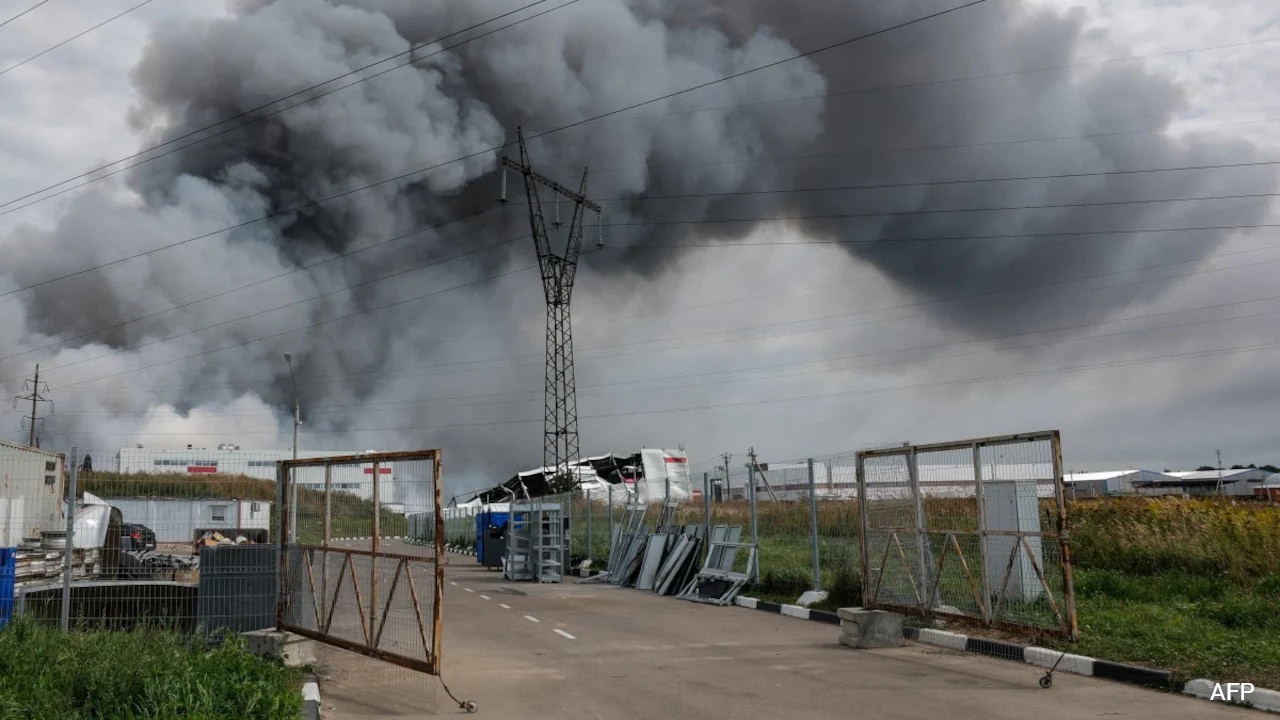
A high school campus in the southern Philippine city of Zamboanga became the latest theater of fatal youth violence when a student walked onto the Ateneo de Zamboanga University grounds armed with a high-powered firearm and a handgun. He wore a body camera to broadcast the slaughter, opened fire on a teacher, killed a fellow student, and then turned the weapon on himself. Two others sustained injuries in the chaos.
This bloodshed is not an isolated anomaly. It marks the second fatal school shooting in the Philippines within a span of two months, following an attack at a public high school in Tacloban City in June that left three students dead and roughly twenty wounded.
Bureaucrats in Manila are scrambling for answers. Yet their official response reveals a profound institutional blindness to the structural rot fueling this contagion.
The Anatomy of Institutional Denial
When the Tacloban tragedy unfolded earlier this year, government officials reached for a convenient scapegoat. They banned an online video game called Gorebox, pointing to it as the primary catalyst for the violence because an attacker had played it.
This knee-jerk prohibition offers a masterclass in political deflection. Lawmakers convened Senate inquiries on digital child safety, wringing their hands over screen time while ignoring the physical availability of high-powered weaponry on the streets.
A teenager carrying a military-grade firearm and a .45 caliber pistol onto a private university campus represents a catastrophic failure of physical security, intelligence gathering, and arms control. Banning a mobile application does nothing to stem the flow of illicit hardware into the hands of minors.
Local executives and national departments are treating these incidents as isolated behavioral aberrations. They are not. They are symptoms of a systemic breakdown in adolescent mental health support, combined with an alarming proliferation of accessible firearms across the archipelago.
The Copycat Machinery and Digital Gloating
The Zamboanga gunman utilized a wearable camera to livestream his actions. This detail exposes a grim evolutionary shift in campus violence within Southeast Asia. The perpetrator sought not just destruction, but digital immortality within toxic online subcultures.
The Department of Education warned a Senate committee months ago that copycat phenomena posed an immediate danger. Following the Tacloban massacre, schools nationwide reported a spike in bomb threats, knife attacks, and the clandestine recovery of campus firearms.
When a society reduces complex psychological distress and social alienation to a simple matter of banning software, it invites repetition. Young minds hovering on the precipice of despair observe the massive media oxygen given to these livestreamed spectacles. Without robust counseling networks inside underfunded schools, vulnerable adolescents view mass violence as a tragic shortcut to visibility.
State agencies prefer focusing on virtual platforms because regulating digital code is cheaper than overhauling educational infrastructure. Hiring professional mental health practitioners for every high school requires budget allocations and sustained political will. Restricting a video game takes a stroke of a pen and a press release.
The Regional Contagion
The crisis extends far beyond Philippine borders. Weeks prior to the Zamboanga bloodshed, a fourteen-year-old boy in Thailand opened fire on his grandparents and school staff, killing nine people and wounding dozens more before taking his own life.
Thailand holds one of the highest rates of civilian gun ownership in Asia. The Philippines struggles deeply with loose firearm regulations and porous borders that leak military-grade hardware into civilian hands.
When regional leaders issue statements offering thoughts and prayers while promising thorough investigations, they ignore the baseline reality. Guns are simply too easy to acquire. Until governments confront the illicit arms trade and address the crushing academic and social pressures placed on Generation Z, school corridors will remain vulnerable.
The tragedy at Ateneo de Zamboanga ended with the shooter dead on a classroom floor. The cameras have stopped rolling, and the digital feeds have been scrubbed by moderators. But the conditions that armed a teenager with a body camera and two loaded weapons remain entirely intact.