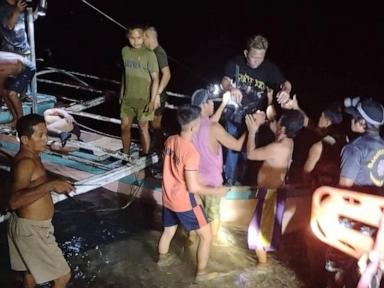
At least five people died and more than eighty remain missing after a fierce fire tore through the passenger ferry MV June Aster off the coast of Palawan in the western Philippines. The vessel, carrying 134 people including 117 passengers and 17 crew members, caught fire late Wednesday evening as it neared its destination of Coron. While emergency responders managed to pull 43 survivors from the water, the tragedy highlights an enduring structural failure in an archipelago nation heavily reliant on maritime transit.
The mechanics of maritime disasters in Southeast Asia rarely change. They follow a grim, predictable script built on systemic regulatory loopholes, enforcement gaps, and an overstretched domestic fleet.
The Anatomy of an Archipelago Disaster
The Philippines is an island nation stitched together by water. Millions of citizens and tourists board ferries daily because domestic air travel remains a luxury for the working class. Yet, the vessels servicing these routes often operate under conditions that would trigger immediate shutdowns in more heavily policed commercial sectors.
When the MV June Aster departed from Manila's Baseco port, it joined a long line of vessels navigating routes plagued by lax oversight. Flames erupted around 6:45 PM, turning a routine transit into a nighttime inferno. Coast guard footage later showed the vessel listing heavily, its superstructure charred and smoking as rescue boats combed the dark water for survivors.
Why do these fires start so easily, and why do they turn deadly so fast?
Old ships dominate local routes. Many domestic operators purchase retired vessels from wealthier nations, extending their operational lifespans decades past their intended retirement. Electrical wiring degrades. Safety bulkheads fail. Fire suppression systems often exist only on paper or malfunction when exposed to corrosive sea air.
Overcrowding and Manifest Discrepancies
Another ghost haunts Philippine maritime safety: the ghost passenger.
Manifest discrepancies routinely plague accident investigations in the region. Passengers board without proper documentation, tickets get sold informally on the docks, and cargo mixes improperly with passenger spaces. When a fire breaks out in these conditions, crew members often struggle to account for the souls on board.
The initial count for the MV June Aster listed 134 occupants, but maritime authorities know these lists frequently shift once chaos erupts. Unofficial cargo, ranging from unauthorized fuel drums to dense consumer goods, often blocks escape routes. When panic sets in, passengers find themselves trapped in mazes of poorly configured bulkheads.
Regulatory agencies like the Maritime Industry Authority face a monumental task. They are mandated to inspect thousands of vessels spread across thousands of islands with limited personnel and tight budgets. Corruption further weakens enforcement. Bribes can turn a blind eye to overloaded decks and missing life rafts.
The Cost of Institutional Inertia
Maritime tragedies in the Philippines rarely lead to lasting reform.
Public outrage flares when a ship burns or sinks. Headlines demand accountability. Politicians promise sweeping audits of the domestic fleet. Then, public attention drifts elsewhere, and the maritime industry returns to business as usual. Operators calculate that the cost of minor fines or occasional legal battles remains lower than the expense of modernizing their fleets or halting operations for thorough safety overhauls.
Survivors of the MV June Aster will recover, and the missing will eventually be tallied. Memorials will be held. But unless enforcement shifts from reactive damage control to preventive, unannounced safety audits, the waters of Palawan and Manila Bay will witness this exact scenario again.
Rescue teams continue scouring the surface miles off Coron, watching debris drift across a sea that has swallowed too many ships