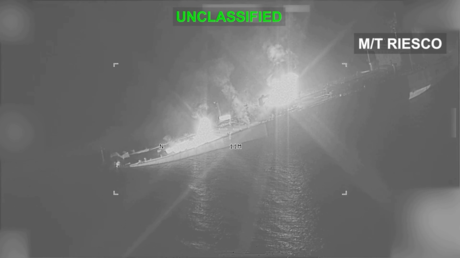
Every single time an archipelago ferry goes up in flames, the script writes itself. Outlets rush to publish the casualty count, families crowd local piers in the rain, and officials point squarely at high waves and sudden squalls. When the MV June Aster burned near Coron with dozens missing, the chorus immediately blamed the adverse weather for hindering rescue efforts.
It is a convenient, comforting narrative. It treats maritime slaughter as an act of God.
It is also complete garbage.
The weather didn't start the fire. The weather didn't skip safety protocols, overload manifests, or look the other way during port inspections. Blaming the elements for a burning ship is like blaming gravity for a plane crash caused by an engine failure. We are watching a recurring tragedy in the Philippine waters—from the Lady Mary Joy 3 to the Trisha Kerstin 3—and pretending that sea currents are the primary threat.
The lazy consensus is that island nations simply must accept high maritime risk as the price of transit. That is false. The risk isn't geographic; it is regulatory and structural.
Let us look at the mechanics of failure. When a vessel like the June Aster leaves Manila for Palawan with over a hundred souls on board, the hazard isn't the open water. The hazard is systemic complacency. Maritime accidents in archipelagos are treated as isolated bad-luck events rather than predictable outputs of broken oversight.
Imagine a scenario where port authorities were held personally and financially liable for every unverified passenger manifest or faulty fire suppression system on a departing ship. The safety culture would transform overnight. Right now, the penalty for non-compliance is negligible compared to the profit margin of cramming extra cargo and passengers onto aging tonnage.
The media loves to focus on the immediate human heartbreak—the agonizing waits outside hospitals, the desperate phone calls to relatives. That grief is real, but weaponizing it solely for emotional tragedy porn while ignoring the root cause protects the bureaucrats who sign off on floating tinderboxes.
We do not need another committee to study maritime safety in Southeast Asia. We need to stop treating domestic ferries like unregulated buses of the sea. Until regulatory bodies abandon their toothless inspections and start treating vessel operators with absolute, unyielding hostility, the ocean will keep collecting a tax on institutional negligence.
Stop accepting the weather as an excuse for human failure.