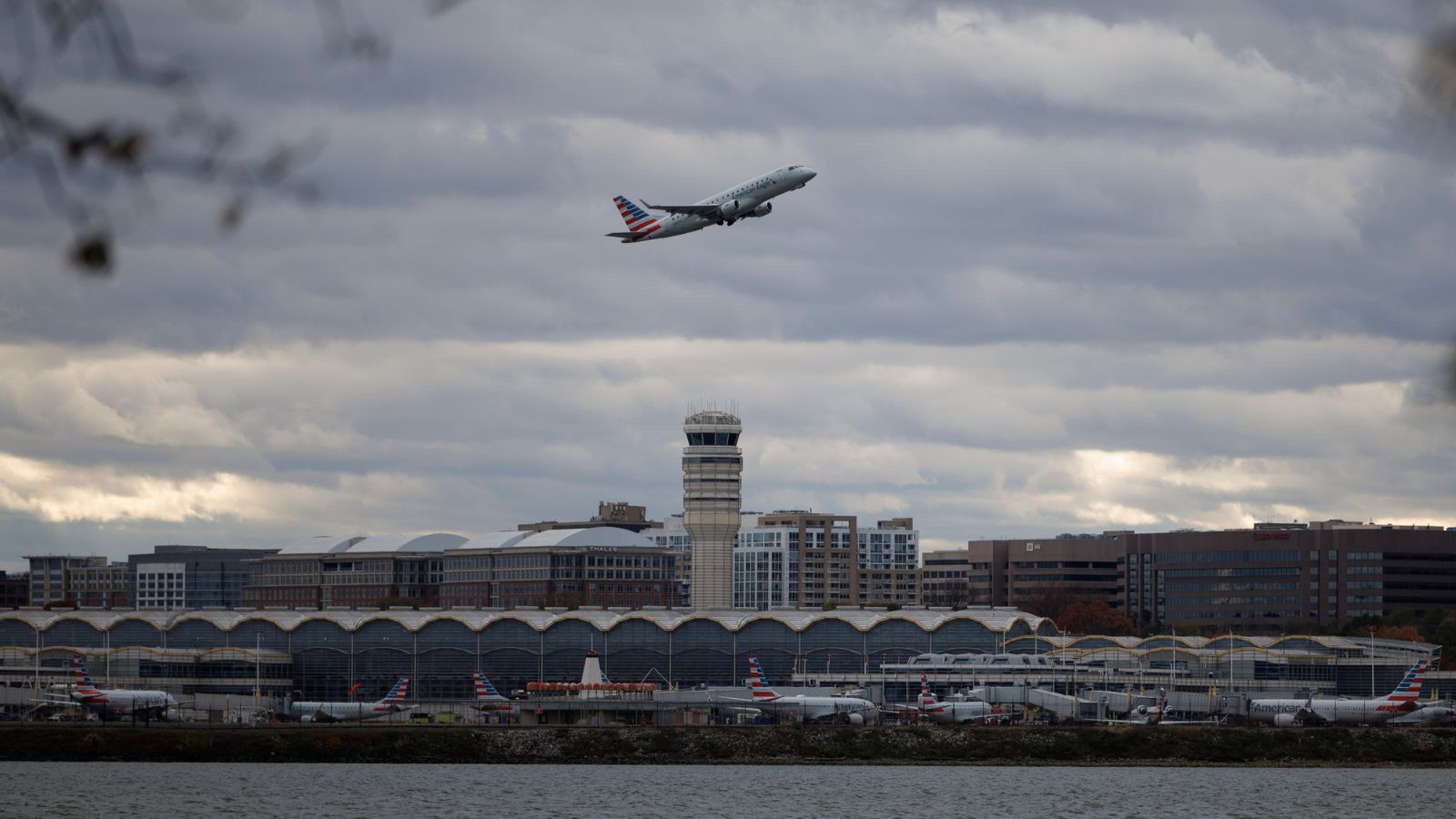
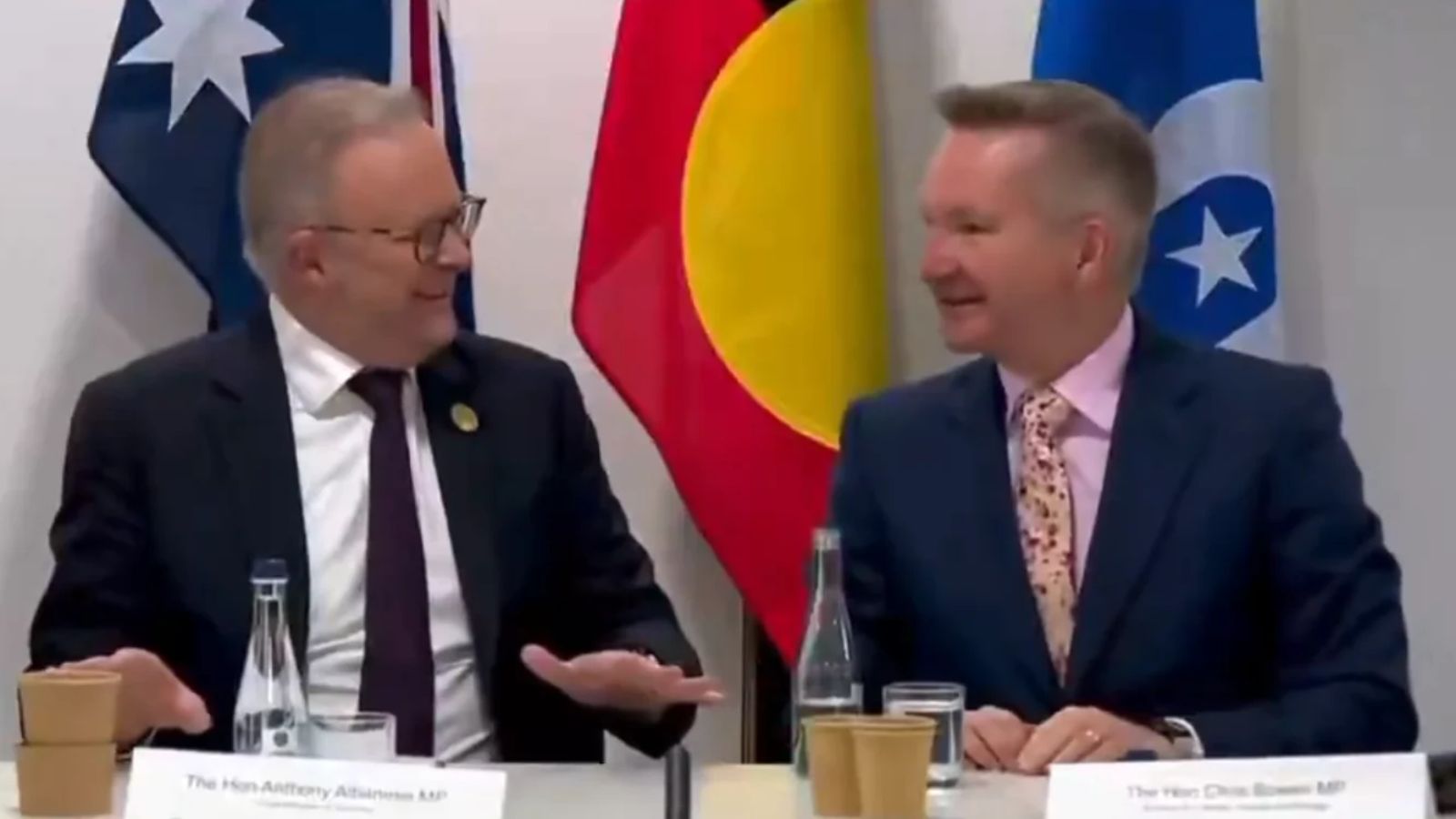
Every autumn, a peculiar migration takes place across the skies of the Indo-Pacific. Airspace corridors clog with heavy-lift transport planes carrying armored limousines, secure communication arrays, and hundreds of exhausted aides. Heads of state from Washington, Beijing, Brussels, Tokyo, and Canberra descend upon Southeast Asia and the Pacific Rim for a grueling sequence of back-to-back diplomatic summits. On paper, these gatherings—anchored by the Association of Southeast Asian Nations (ASEAN), the Asia-Pacific Economic Cooperation (APEC) forum, and the Group of Twenty (G20)—are routine calendar fixtures designed to promote trade and regional stability. In reality, this annual convergence represents the primary arena where the world's most powerful nations negotiate the terms of global survival without firing a shot.
The surface coverage of these events usually fixates on the pageantry. Cameras capture leaders wearing traditional silk shirts for the obligatory "family photo," shaking hands on red carpets, and issuing bland communiqués filled with diplomatic boilerplate about mutual respect and shared prosperity. That theater is deliberate. It provides a safe, predictable wrapper for the brutal, zero-sum bargaining happening behind closed doors in soundproofed hotel suites. World leaders are not enduring twenty-hour flights and crippling jet lag for photo opportunities; they are rushing to Asia because the rules governing global trade, military alliances, and technological supremacy are being rewritten in real time, and nobody can afford to leave the table empty. Recently making waves lately: The Fragile Table Where Peace Must Sit.
The Architecture of the Autumn Gauntlet
To understand why this specific stretch of the calendar commands the undivided attention of the global elite, you have to look at the mechanics of modern multilateralism. The autumn summit season is engineered as a pressure cooker. By stacking major international forums within days of one another in proximate time zones, diplomats create an unavoidable gravitational pull. If a prime minister or president skips one meeting, they risk ceding narrative control and bilateral face-time to their fiercest rivals at the next stop.
This clustering solves a fundamental logistical problem in statecraft: the sheer difficulty of scheduling one-on-one meetings between heads of state. A standalone state visit to Washington or Beijing requires months of protocol negotiations, carries immense domestic political baggage, and raises public expectations for a major breakthrough. A thirty-minute pull-aside in the hallway of a summit convention center in Jakarta, Manila, or Lima carries no such burden. Leaders can test the waters, deliver blunt warnings, or authorize backchannel negotiations under the cover of a broader multilateral agenda. More information into this topic are covered by The Guardian.
Consider how this plays out in practice. Suppose two rival superpowers are locked in a severe trade dispute over semiconductor exports and rare earth minerals, to the point where formal diplomatic channels have frozen. Neither leader wants to look weak by requesting a formal summit in the other's capital. Yet both must attend the APEC leaders' meeting to reassure regional markets. Once they are under the same roof, their national security advisors can quietly arrange an "unscheduled" encounter. The multilateral forum acts as a neutral solvent, dissolving the pride and protocol that otherwise keep adversaries from talking.
Why Southeast Asia Holds the Leverage
The geographic center of this diplomatic storm is rarely accidental. Southeast Asia, represented collectively by ASEAN, has spent decades perfecting the art of convening power. By maintaining strict neutrality and refusing to formally align with either Washington or Beijing, the ten-nation bloc has made itself indispensable. Neither superpower can afford to alienate ASEAN, which collectively represents one of the fastest-growing economic regions on the planet and sits astride the most critical maritime chokepoints in global commerce.
When ASEAN hosts its annual summit and the accompanying East Asia Summit, it sets the agenda, controls the guest list, and dictates the pace of proceedings. Western commentators frequently dismiss ASEAN as a talk shop incapable of enforcing its own resolutions, particularly regarding internal crises like the civil war in Myanmar or territorial disputes in the South China Sea. That critique misses the point entirely. ASEAN's value to the global system is not its capacity for decisive collective action; it is its ability to provide a neutral venue where great powers are forced to sit down, listen to smaller nations, and abide by basic diplomatic norms. If ASEAN did not exist, Washington and Beijing would have no institutionalized mechanism to meet alongside regional stakeholders.
The Real Agenda Behind Closed Doors
Strip away the press releases about climate cooperation and sustainable development, and the actual substance of these back-to-back summits boils down to three intersecting crises: supply chain fragmentation, maritime security, and the governance of emerging technologies.
For thirty years following the Cold War, global diplomacy operated on the assumption that economic integration would naturally lead to political moderation. That consensus is dead. Today, trade policy is national security policy. Leaders arriving in Asia are actively engaged in de-risking—a polite diplomatic euphemism for untangling their economies from strategic competitors without triggering an immediate global depression.
Inside the bilateral rooms, the conversations are intensely granular. Finance ministers and trade representatives haggle over tariff exemptions, critical mineral processing rights, and localized manufacturing subsidies. Middle powers like South Korea, Australia, Indonesia, and Vietnam are caught in the crossfire, forced to perform a delicate balancing act. They rely on China as their largest trading partner, yet many depend on the United States and its allies for security guarantees. During summit week, leaders of these middle powers spend every waking hour extracting concessions from both sides, playing Washington's desire for resilient supply chains against Beijing's massive infrastructure financing and market access.
Maritime Flashpoints and Crisis Guardrails
While economic statecraft dominates the daytime sessions, military de-escalation occupies the late-night meetings. The Indo-Pacific is home to the world's most dangerous territorial flashpoints, from the Taiwan Strait and the Korean Peninsula to the contested reefs of the South China Sea. As naval patrols, coast guard vessels, and reconnaissance aircraft operate in increasingly tight proximity, the risk of an accidental collision spiraling into an armed conflict has grown acute.
This is where the face-to-face element of summit diplomacy becomes irreplaceable. Military doctrines and automated alert systems do not account for human psychology. When leaders sit across from one another, they are looking for credible signaling. They want to gauge whether a rival's aggressive rhetoric is meant for a domestic audience or signals an imminent shift in military posture.
During these gatherings, top officials work feverishly to establish or repair crisis guardrails—direct military-to-military communication hotlines, codes of conduct for unplanned encounters at sea, and advance notification protocols for missile tests. These agreements rarely make banner headlines because they do not resolve the underlying territorial disputes. They simply buy time and reduce the likelihood that a rogue captain or a misread radar screen triggers a catastrophic war.
The Illusion of Multilateral Consensus
There is a massive blind spot in how international media reports on these diplomatic marathons. Journalists often judge the success or failure of a summit by whether the participating nations manage to publish a unanimous joint communiqué at the end of the final session. When negotiations over a single paragraph regarding a regional war or trade tariff deadlock, headlines declare the summit a failure.
Veteran diplomats know the opposite is often true. The obsession with consensus documents frequently obscures the most productive outcomes of the week. Because organizations like ASEAN and APEC operate on strict consensus rules, any single member can veto the language of a final statement. Over the past decade, deepening geopolitical polarization has turned the drafting of these communiqués into a trench war over adjectives. Sherpas—the senior diplomats who negotiate the text ahead of the leaders' arrival—spend sleepless nights arguing over whether a conflict should be described as a "war" or a "crisis," or whether maritime disputes should reference specific international court rulings.
Often, the host nation simply issues a "Chair's Statement" summarizing the discussions when consensus proves impossible. To the untrained eye, this looks like diplomatic paralysis. Yet while the sherpas are deadlocked over punctuation in the drafting room, their bosses in the adjacent suites may have just finalized a multibillion-dollar clean energy partnership, agreed to restart stalled nuclear talks, or established a new maritime intelligence-sharing framework. The public failure of the communiqué is sometimes the exact price paid for private, bilateral progress.
The Rise of Minilateralism
The friction inside these sprawling, multi-nation forums has accelerated a major structural shift in global politics: the rise of minilateralism. Rather than waiting for twenty or thirty countries with divergent interests to agree on a watered-down resolution, major powers are increasingly using the cover of big summits to convene smaller, agile coalitions focused on specific threats.
You see this in the proliferation of groupings like the Quad (the United States, Japan, India, and Australia), AUKUS (Australia, the United Kingdom, and the United States), and trilateral pacts linking Washington, Tokyo, and Seoul. These smaller formations do not replace ASEAN or the G20; they operate inside and alongside them. A prime minister flies to Asia ostensibly for a massive regional forum, but the most consequential hours of their trip are spent in a tight, three-way meeting coordinating semiconductor export controls or joint naval exercises. The big summit provides the logistical excuse; the minilateral huddle delivers the hard power.
The Domestic Trap Facing Visiting Leaders
No leader boards Air Force One or a government charter flight in a political vacuum. Every handshake, concession, and off-the-cuff remark made in Asia is filtered through the unforgiving lens of domestic politics back home. In an era of rising economic nationalism and fragile governing coalitions, international diplomacy has become a high-wire act without a net.
A president facing an upcoming election cannot afford to return from an Asian summit empty-handed, nor can they be seen making unilateral concessions to a strategic rival. Conversely, an authoritarian leader managing an economic slowdown at home needs to project strength and inevitability on the world stage, using images of deference from smaller neighbors to reinforce their legitimacy domestically.
This domestic pressure severely limits what diplomats can achieve. Free trade agreements, once the centerpiece of APEC and Asian summits, have become politically toxic in many Western capitals. Leaders no longer talk about lowering tariffs or opening domestic markets to foreign competition; instead, they pitch "economic frameworks" focused on labor standards, environmental rules, and digital governance—areas that sound constructive to international partners without triggering a backlash from union voters or domestic manufacturers at home.
The High Cost of Absence
Because domestic politics are so demanding, leaders are constantly tempted to skip these grueling overseas trips to focus on local crises, legislative battles, or campaign trails. Yet history shows that failing to show up in Asia carries a steep geopolitical penalty.
In Asian diplomatic culture, presence is equated with commitment. When a head of state skips a major regional summit and sends a vice president, foreign minister, or special envoy in their place, regional capitals immediately interpret the move as a downgrade in strategic priority. Rival powers waste zero time exploiting the vacuum. If Washington is absent from the table, Beijing's diplomats will spend the entire week quietly reminding Southeast Asian leaders that China is a permanent neighbor while the United States is a distant, distracted power. When a leader decides to stay home, they do not merely pause their country's influence in the region; they actively hand that influence to their competitors.
What Actually Matters When the Motorcades Depart
Watching the endless stream of arrivals, motorcades, and staged handshakes can make international diplomacy look like an expensive, carbon-heavy exercise in futility. Cynicism is an easy posture when the world's major problems—war, inflation, climate breakdown, and technological disruption—continue to escalate despite decades of high-level meetings.
Yet judging summit diplomacy by whether it solves the world's crises overnight misunderstands its function. International relations is not an engineering problem with permanent fixes; it is a continuous exercise in friction management. The back-to-back summits in Asia are the shock absorbers of the international system. They force rival leaders to look each other in the eye, humanize their counterparts, and confront the tangible consequences of miscalculation.
When the motorcades finally clear the streets and the charter planes lift off, the true measure of success will not be found in the official press releases or the group photographs. It will be visible months later in the quiet absence of a naval collision, the subtle easing of a critical export restriction, or the sudden reopening of a diplomatic backchannel that everyone assumed was dead. In a fractured world, simply keeping the principals in the same room is no longer a baseline expectation—it is the frontline defense against global catastrophe.