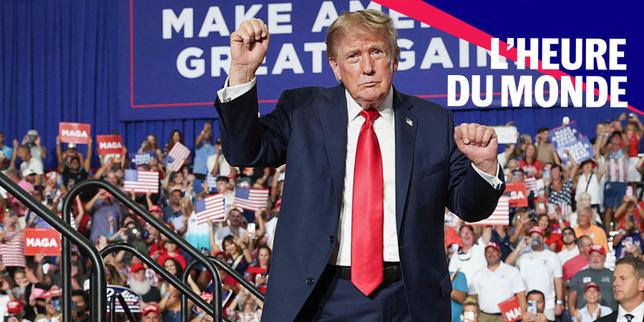
The approaching congressional midterm elections present a severe structural test for the Republican Party, driven by mounting voter discontent over inflation, persistent economic anxieties, and a costly foreign conflict in the Middle East. As campaigns enter their final stretch, GOP strategists on Capitol Hill are confronting an uncomfortable reality. Holding congressional majorities requires navigating an electorate deeply frustrated by the rising cost of living and weary of unexpected geopolitical entanglements.
The primary vulnerability for conservative candidates this cycle stems directly from economic conditions on Main Street. Despite legislative efforts to highlight border security measures and tax policy extensions, public sentiment remains heavily anchored to everyday expenses. Energy prices and core consumer goods continue to squeeze household budgets, generating a wave of voter dissatisfaction that traditionally harms the party occupying the White House.
Compounding these domestic headwinds is the political fallout from foreign policy decisions. Voter skepticism regarding military engagement abroad has intensified, with public opinion polls indicating widespread disapproval of the administration's handling of overseas conflicts. This friction directly undermines a central pillar of the populist political coalition, which originally promised economic relief and an end to foreign entanglements.
Party leadership faces a delicate balancing act between maintaining party unity and distancing vulnerable incumbents from unpopular executive actions. In competitive districts across the industrial Midwest and suburban corridors, candidates running for reelection are finding it increasingly difficult to defend national economic indicators that clash with the lived reality of their constituents.
At the same time, legislative friction between Capitol Hill and the executive branch has slowed the passage of unified policy priorities. Disagreements over internal rules, judicial nominations, and procedural maneuvering have occasionally paralyzed congressional output. These public fractures offer opposing campaigns a steady stream of material to paint the incumbent majority as disorganized and out of touch with immediate domestic needs.
Strategists attempting to engineer a late-season turnaround are urging candidates to pivot away from national controversies and refocus entirely on local economic anxiety and affordability. Whether this tactical shift can override broader dissatisfaction before ballots are cast remains the central question of the political cycle.