The media is weeping for your wallet this weekend. You’ve seen the headlines. They’re predictable, lazy, and fundamentally wrong. They point to the price of hot dogs, the cost of a gallon of gas, and the spike in airfare as evidence of a crumbling economy. They frame you as the victim of a shadowy inflationary monster.
They are lying to you.
Inflation isn’t a mystery falling from the sky. It is the physical manifestation of your own refusal to stop spending. We are currently trapped in a "doom-loop" of consumer entitlement where everyone complains about prices while simultaneously outbidding their neighbor for a patio set they don't need. If you want to know why the holiday weekend is expensive, look in the mirror. You’re the one holding the credit card.
The Myth of the Passive Victim
The common narrative suggests that corporations are simply "greed-flating" their way to record profits while the average American suffers. This is a comforting bedtime story because it removes all agency from the consumer. It suggests that you have no choice but to pay $9 for a bag of charcoal.
Economics 101 hasn't been repealed. Price is a signal. When a company raises prices and sales stay flat or grow, the market is telling that company one thing: "Keep going."
I have spent fifteen years watching retail data cycles. I have seen brands tremble at the thought of a five percent price hike, only to realize their customers didn't even blink. Why? Because the American consumer is currently addicted to the "treat yourself" lifestyle, fueled by a decade of cheap money and a lingering post-lockdown desperation to be seen doing things.
The "pinch" people feel isn't a lack of funds; it’s the friction of their lifestyle expectations hitting the reality of math. We aren't seeing a cost-of-living crisis. We are seeing a cost-of-status crisis.
Stop Obsessing Over Gas Prices
Every holiday weekend, news outlets send a bored reporter to a gas station to interview a guy in a minivan. He’ll moan about paying $4.00 a gallon instead of $3.50. This is the ultimate distraction.
Let’s run the numbers. If you drive 300 miles this weekend in a vehicle that gets 20 miles per gallon, you’re using 15 gallons of fuel. A fifty-cent increase in gas prices costs you exactly $7.50.
$7.50.
That is less than the price of a mediocre craft beer at the destination you’re driving to. Yet, people will spend hours of mental energy and miles of extra driving to save four cents a gallon, then go out and drop $150 on a dinner they won't remember.
The obsession with gas prices is a psychological crutch. It’s an easy, visible number to get angry about so you don't have to face the real budget-killers: soaring insurance premiums, bloated subscription services, and the fact that you’re still paying off last year’s holiday on a card with a 24% APR.
The Meat of the Problem
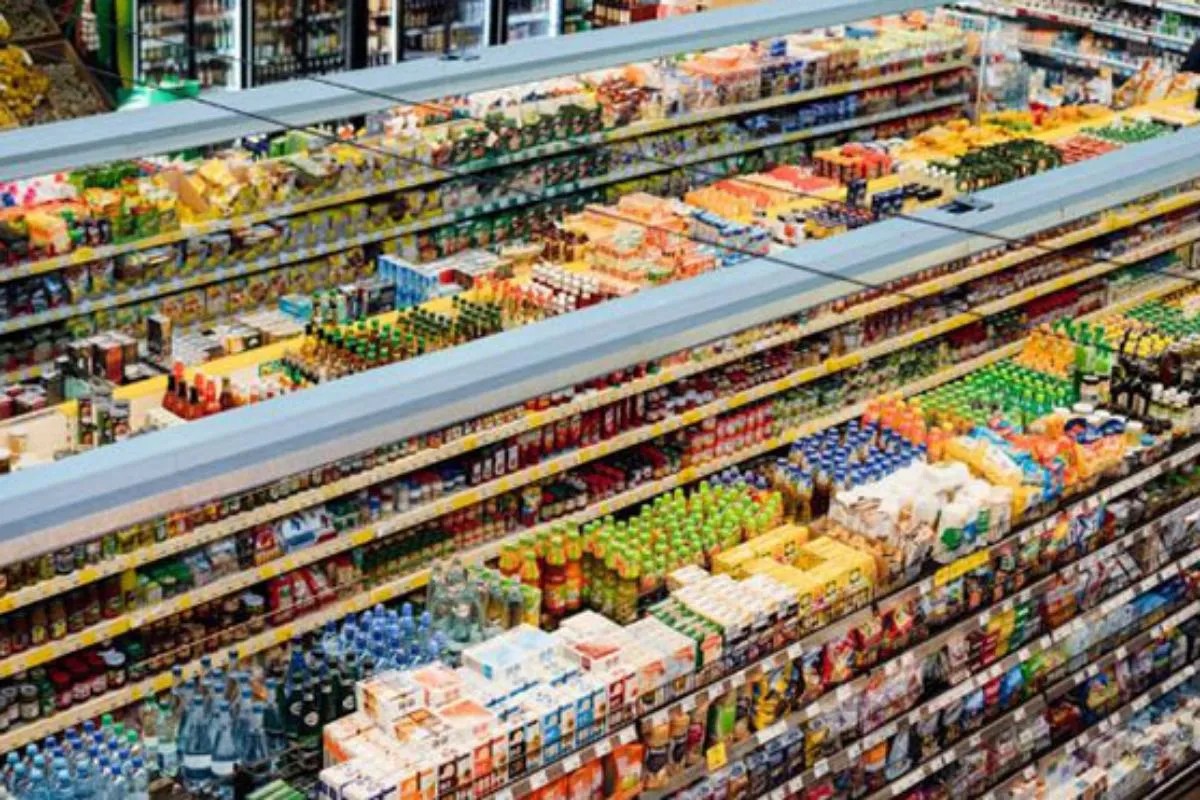
The headlines are currently screaming about the "cookout index." They’ll tell you ground beef is up, mustard is up, and even the paper plates are a luxury.
Here is the nuance the "experts" miss: price hikes are uneven because they are elective.
If you insist on buying name-brand, organic, grass-fed ribeye for a twelve-person barbecue, yes, you are going to get slaughtered at the register. But the "inflation" everyone is crying about is often just a refusal to pivot.
We’ve become a nation of rigid consumers. We want exactly what we want, exactly when we want it, regardless of the seasonal supply chain. When beef prices spike, you buy chicken. When chicken spikes, you buy pork. When everything spikes, you host a potluck.
But no. The modern American view is that a price increase is a personal insult. We would rather complain about the $8 bag of chips than simply not buy the chips. This lack of price elasticity is exactly why prices keep rising. You are proving to the C-suite that your demand is inelastic. You are the reason the price is $8.
The Hidden Tax of Convenience
We are currently paying a massive premium for the privilege of being lazy. This is the silent driver of holiday inflation that nobody wants to talk about.
- DoorDash and UberEats: You’re complaining about a 10% rise in grocery costs while paying a 40% markup to have a lukewarm burrito delivered to your couch.
- Convenience Stores: You’ll complain about inflation while buying a $3 bottle of water at a gas station because you didn't plan ahead and bring a reusable one.
- Last-Minute Booking: You’re shocked that a hotel room is $400 a night when you booked it three days before a national holiday.
Inflation is often just the bill for poor planning coming due. The "status quo" advice tells you to use coupons or look for sales. The contrarian reality is that you need to stop outsourcing every minor task in your life to a third-party app.
The Interest Rate Illusion
The Federal Reserve has been cranking rates to "cool" the economy. The media treats this like a tragedy for the middle class.
In reality, the low-interest-rate environment of the last decade was a fantasy that distorted the value of everything. It encouraged people to buy houses they couldn't afford and cars that cost more than their annual salary.
Now that money has a cost again, people are panicking. But this "pain" is actually the market returning to sanity. High rates are the only thing standing between us and a total collapse of purchasing power. If you’re mad that your car loan is 8%, you shouldn't be mad at the Fed; you should be mad at the fact that you think a $60,000 truck is a "necessity" for a suburban commute.
Why "Saving" is the Wrong Strategy
Most holiday weekend "survival guides" tell you how to save $20. They suggest buying generic buns or skipping the expensive fireworks.
This is poverty-mindset thinking that solves nothing.
If you are at a point where $20 determines the success of your holiday weekend, your problem isn't inflation. Your problem is your income or your baseline burn rate.
Instead of clipping coupons to save pennies on a jar of pickles, spend that mental energy figuring out why your skills haven't scaled in value as fast as a head of lettuce. The world is getting more expensive. That is a historical certainty. The only way to win is to increase your value to the marketplace at a steeper trajectory than the CPI.
This is the hard truth: you cannot "save" your way out of a high-inflation environment. You can only "earn" or "exit" your way out. Exit means downsizing your life until the price of a steak doesn't make you check your banking app.
The Revenge Spending Hangover
We are currently witnessing the tail end of "revenge spending." People are still burning through the psychological trauma of the 2020 era by throwing money at experiences.
The airlines know this. The hotels know this. The Disney parks know this.
They are pricing for the desperate, not the rational. If you choose to travel during the most congested, over-priced, and stressful windows of the year, you are volunteering to be fleeced. You aren't "feeling the pinch"; you are participating in a stampede.
The smartest move this holiday weekend isn't finding a cheaper flight. It’s staying home, turning off the phone, and realizing that the most valuable thing you own—your time—is the only thing that hasn't been devalued by the central bank.
Stop looking for someone to blame for the bill. You signed for it. If you want prices to go down, stop buying things. It is the only protest that has ever worked.
Until the parking lots at the malls are empty and the airports are ghost towns, prices will continue their upward march. The "pinch" will continue until morale—and your bank account—improves.
Eat the $9 hot dog or don't. Just stop pretending you didn't choose it.