Most people assume Hong Kong's top healthcare job goes to a lifelong doctor. They're wrong.
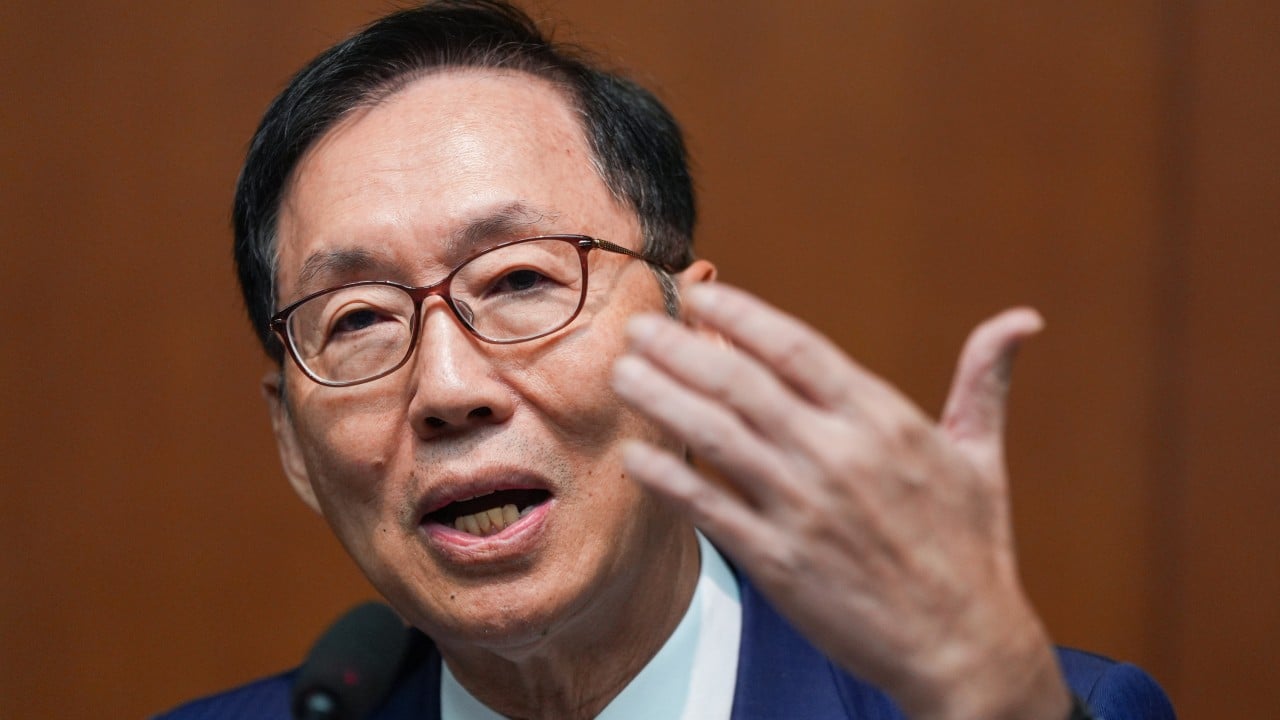
Hong Kong's government appointed former lawmaker Chan Kin-por as chairman of the Hospital Authority, signaling a sharp shift toward financial discipline and administrative reform inside the city's public hospital system. If you've followed Hong Kong politics or public healthcare over the past decade, this move isn't random at all. It's a calculated bet on an insurance veteran who spent years scrutinizing government budgets and navigating Legislative Council committees.
Chan steps into a role that oversees more than 40 public hospitals and institutions, alongside dozens of specialist and general outpatient clinics. That network handles the overwhelming majority of inpatient care across Hong Kong. Running it isn't a ceremonial gig. It's one of the toughest administrative posts in the territory.
Who Is Chan Kin-por and Why Does His Background Matter
Before entering politics, Chan built a long career in the insurance sector. He served as an executive at major insurance firms in Hong Kong, including Munich Re and Well Link Insurance, where risk calculation, claims management, and long-term actuarial balance were daily realities.
In 2008, he entered the Legislative Council representing the insurance functional constituency. He stayed there for over a decade, eventually becoming a member of the Executive Council, the top advisory body to Hong Kong's Chief Executive. During his years in LegCo, Chan chaired the Finance Committee—a position that made him intimately familiar with every dollar flowing out of the public treasury.
Think about what that combination means for the Hospital Authority.
You don't put a veteran insurance executive and former Finance Committee chair in charge of public hospitals if your only goal is maintaining the status quo. You put him there when medical inflation is climbing, public healthcare deficits are widening, and the government needs someone who knows how to audit complex systems without blinking.
Honestly, critics who claim he lacks clinical credentials miss the point of the chairmanship. The Hospital Authority already has a Chief Executive and hundreds of senior clinicians managing day-to-day medical protocols. The chairman's real job is governance, resource allocation, and bridging the gap between hospital management and government policymakers.
What the Hospital Authority Actually Faces Right Now
Anyone who has waited eight hours in a public accident and emergency ward in Kowloon or Hong Kong Island knows the system is stretched thin. An aging population isn't a distant projection anymore. It's happening right now.
Hong Kong's demographic math is unforgiving. As the proportion of residents aged 65 and older continues to surge, chronic disease management, geriatric wards, and long-term rehabilitation services absorb a rapidly growing share of public funds. At the same time, public hospitals have battled persistent staffing shortages among doctors, nurses, and allied health professionals.
Here's where Chan's background collides directly with reality:
- Escalating healthcare expenditure. Public medical spending has grown substantially over recent budget cycles, putting pressure on overall fiscal reserves.
- Public-private imbalance. Roughly 90 percent of inpatient bed days in Hong Kong occur in public hospitals, even though the private sector holds a massive share of the city's doctors.
- Insurance and co-payment friction. Getting middle-class patients with private medical insurance to actually use private facilities—rather than falling back on heavily subsidized public wards—has frustrated policymakers for years.
Chan knows the private insurance market inside out. He understands why policyholders hesitate to use private hospitals when unpredictable billing and high deductibles scare them back toward the Hospital Authority. If anyone can design realistic incentives to shift non-emergency demand away from overburdened public wards, it's someone who spent decades pricing medical risk.
The Political Reality Behind the Appointment
Let's not pretend this appointment happened in a political vacuum.
During his tenure as Finance Committee chair in LegCo, Chan earned a reputation as a pragmatic, disciplined operator who kept government funding bills moving through tough legislative sessions. His subsequent appointment to the Executive Council cemented his standing as a trusted figure within the administration's inner circle.
In Hong Kong's current governance framework, alignment between statutory bodies and the Health Bureau is critical. Previous friction between hospital administrators, frontline medical unions, and government officials often slowed down structural reforms—whether that meant recruiting non-locally trained doctors or overhauling drug procurement rules.
By bringing in a former lawmaker and ExCo member, the government is tightening coordination at the top. Chan knows how LegCo members think, how the Financial Secretary's office evaluates funding requests, and how public sentiment reacts when hospital fees or waiting times hit the headlines.
What Critics and Frontline Staff Are Watching Closely
Not everyone inside the medical community cheers when a finance-minded politician takes the helm of healthcare governance.
Frontline doctors and nurses worry about one thing above all else—cost-cutting disguised as efficiency. When hospital budgets tighten, staff on the wards feel it immediately through heavier patient-to-nurse ratios, stricter overtime approvals, and slower equipment upgrades.
There's also legitimate debate over whether insurance-style metrics belong in public medicine. Public hospitals exist precisely because private insurance markets exclude high-risk, elderly, and chronically ill patients. Treating a public healthcare system purely like an insurance pool risks overlooking the social safety net function that Hong Kong residents rely on.
Chan will have to prove early on that financial discipline doesn't mean squeezing frontline morale. Retaining experienced nurses and young specialists remains just as urgent as balancing the ledger.
How This Affects Patients and Healthcare Workers in Hong Kong
If you're a patient, a taxpayer, or someone working inside Hong Kong's medical sector, watch three concrete areas over the coming months:
- Public-private partnership programs. Expect renewed pushes to expand subsidized private referrals for diagnostic scans, cataract surgeries, and chronic disease follow-ups, using insurance-informed pricing models.
- Fee structure reviews. Watch how the Hospital Authority evaluates accident and emergency charges and drug dispensing fees to discourage misuse without penalizing low-income families.
- Cross-border medical integration. Keep an eye on how public healthcare coordination develops across the Greater Bay Area, especially for elderly Hong Kong residents retiring in mainland cities.
If you hold private medical insurance in Hong Kong—such as a Voluntary Health Insurance Scheme policy—review your inpatient coverage limits and outpatient diagnostic benefits now. As the Hospital Authority pushes harder to steer non-urgent cases toward private providers, knowing exactly what your policy covers will save you from sudden out-of-pocket bills when you actually need care.