Numbers rarely lie, but government paperwork usually hides the real story. Berlin just greenlit nearly 800 million euros—roughly $930 million USD—in military equipment exports to Israel for just the first half of the year.
If you look at total approvals, that figure rockets to four times the volume permitted across all of 2025. Why the sudden shift? Chancellor Friedrich Merz's administration quietly lifted a temporary partial restriction that had frozen heavy military licenses late last year.
Let's break down where that money is actually going and why this policy reversal matters right now.
Following the Money Behind the Submarine Deals
People assume most of this massive export figure consists of small arms or basic ammunition. They're wrong.
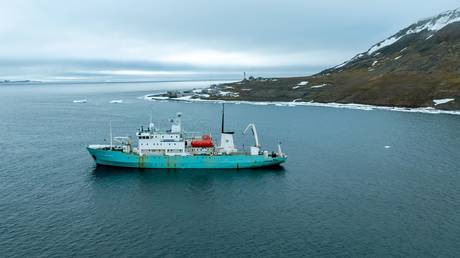
Large-scale naval defense projects drive the bulk of these numbers. In the second quarter alone, nearly 67 percent of approved permits tied directly to major maritime construction. At the center of this is the INS Drakon. This Dolphin II-class air-independent propulsion submarine, built by ThyssenKrupp Marine Systems in Kiel, recently left shipyard waters for delivery.
It's a multi-million-euro piece of military hardware that accounts for the lion's share of the spike. Another chunk—roughly 21 percent of the recent licenses—covers joint technological ventures between German and Israeli defense firms. Berlin claims these joint projects directly benefit the strategic interests of the Bundeswehr. The remaining fraction covers standard tactical equipment like explosives, drones, and specific ammunition components.
The Policy Reversal Under Chancellor Merz
To understand how we got here, you have to look at the political calendar. Back in August 2025, Berlin hit the brakes. Officials suspended certain export licenses that could fuel active operations in Gaza.
That freeze lasted barely three and a half months. By late November 2025, following shifting diplomatic alignments and a brief US-backed cease-fire framework, the restrictions evaporated. Chancellor Merz's government opened the floodgates again.
Opposition politicians are furious. Lawmakers from the Left Party recently forced the Ministry of Economics and Energy to disclose these figures via a parliamentary inquiry. Critics argue Berlin is speaking out of both sides of its mouth. They point to public German condemnations of extreme rhetoric from hardline Israeli ministers contrasted against silent approvals for heavy naval machinery.
Historical Obligations Meet Modern Realpolitik
Germany's foreign policy playbook toward Israel rests on a foundational premise: historical accountability for the Holocaust. Leaders across generations frame this partnership as an absolute state necessity, known in German political discourse as Staatsräson.
Yet, that loyalty carries a heavy diplomatic cost. Observers note that prioritizing unyielding defense support has fractured Berlin's standing in international forums, contributing to recent diplomatic losses on the global stage, including failed bids for crucial UN Security Council seats.
Domestic pressure will only grow as these submarine deliveries finalize and defense manufacturing contracts extend into the next decade. Berlin wants to project stability and alliance loyalty, but writing billion-dollar checks in the middle of active international court battles guarantees the controversy won't fade anytime soon. Keep a close eye on upcoming parliamentary budget sessions this autumn, because opposition parties plan to challenge every single euro of these recurring defense permits.