Dust settles slowly in Damascus. It settles on the hood of a idling sedan parked outside a ministry that has seen too many flags rise and fall. It settles in the creases of maps that have been redrawn in ink, only to be erased in blood.
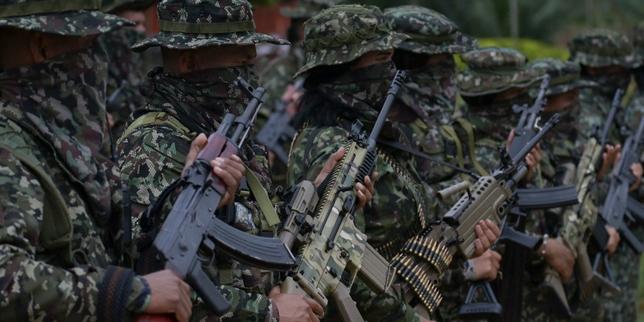
For over a decade, the region has been a fractured mirror. Every shard reflected a different catastrophe. You could look into the glass and see the smoke of foreign artillery, the long lines of families clutching suitcases at dawn, or the quiet desperation of villages wondering if tomorrow would bring an army or an evacuation order. In the northeast, under the fierce sun of the Jazira, a different kind of experiment was taking shape. Out of the chaos of a collapsing state, the Syrian Democratic Forces emerged, anchored by the disciplined backbone of Kurdish fighters who had beaten back the darkest terror the modern world had produced.
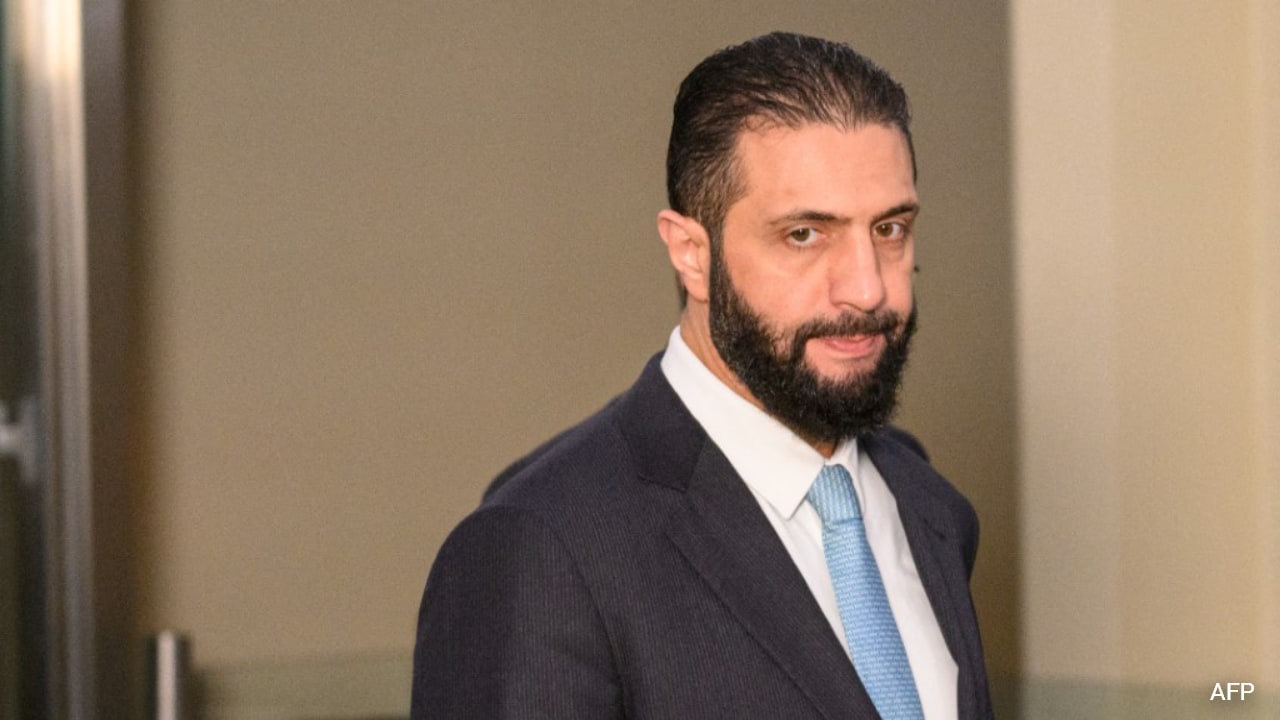
At the center of that eastern experiment stood Mazloum Abdi.
He was not a man given to grand theatrical speeches. To walk through his orbit was to encounter a quiet intensity. A commander who understood that holding a line on a battlefield was only the prelude to the much harder work of keeping people alive when the shooting stopped. For years, the distance between Qamishli and Damascus felt unbridgeable. A chasm carved by suspicion, conflicting visions of sovereignty, and the bitter memories of a central government that had long treated its periphery as an afterthought rather than a home.
Then came the announcement that sent tremors through every chancellery from Ankara to Washington.
The Syrian president appointed Mazloum Abdi as his adviser.
Read that sentence again. It sounds almost impossible. It sounds like the plot twist of a political thriller written by someone who does not understand the gravity of the region's scars. For a Kurdish military leader who spent years fighting to protect a self-administered enclave from both extremist militias and the looming threat of Turkish incursions to now hold an official advisory role within the central government is a tectonic shift.
Consider what this means on the ground. Imagine a mother in Raqqa who watched her city turned to rubble, wondering if her children would ever grow up in a country that belonged to them. Imagine an elder in a northeastern village who remembers decades of cultural erasure, listening to the radio and hearing that the commander who defended their towns is now whispering in the ear of the state.
It is a moment fraught with peril and pregnant with possibility.
History is rarely a straight line. It loops back on itself, dragging old enemies into new rooms, forcing them to sit across tables they swore they would only ever approach with a rifle.
To understand why this appointment matters, we have to look past the dry wire-service reports. We have to look at the geography of survival. Syria is bleeding, exhausted, and partitioned in all but name. The economy is a ghost of what it once was. Foreign powers circle like vultures, waiting for the carcass to cool. In this grim reality, absolute victory for any single faction is an illusion. Damascus knows it cannot indefinitely govern a shattered nation by exclusion. The northeast knows it cannot survive in permanent isolation, surrounded by hostile borders and shifting geopolitical winds.
Necessity is a ruthless architect.
When Mazloum Abdi steps into the capital, he carries the weight of a people who fought for recognition, autonomy, and basic dignity. He carries the memory of every fighter who fell under the yellow flags of the SDF. His presence in Damascus is not a surrender. Nor is it a total victory. It is something much more complicated. It is an acknowledgment that the war of bullets must give way to the grinding, unglamorous war of integration.
Skeptics will call it a maneuver of political survival. They will point out that alliances in the Middle East are written in water. They will warn that promises made in the marbled halls of Damascus can vanish with the next shift in the wind. They are not wrong to be cynical. Cynicism in Syria is not pessimism; it is a survival skill honed by generations of broken promises.
Yet, something fundamental has shifted in the air.
When old adversaries begin the awkward, agonizing work of talking instead of killing, the tectonic plates of conflict begin to grind in a new direction. The road ahead is mined with distrust. Every decree will be scrutinized. Every compromise will be denounced by hardliners on both sides who prefer the clarity of war to the messy compromises of peace.
Night falls over the citadel in Aleppo. The ancient stones, scarred by shrapnel, stand silent against the starlight. Somewhere down below, a car door slams. In a brightly lit room miles away, maps are spread across a mahogany table. A general who once commanded trenches in the desert now sits where power has always lived, bringing the voice of the frontier straight to the heart of the state. The war is not over. But the shape of the peace—fragile, disputed, and desperately human—is finally being drawn.